
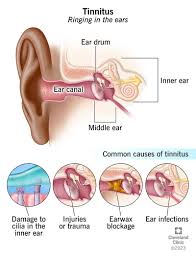
Are you experiencing a ringing, buzzing, or hissing sound in your ears? If so, you’re not alone. Tinnitus is a common condition that affects millions of people worldwide. In this article, we’ll explore what tinnitus is, its symptoms, causes, and treatment options.
What Is Tinnitus?
Tinnitus is a persistent ringing, buzzing, or hissing sound in one or both ears. It’s often described as a high-pitched whine, a low rumble, or a clicking noise. The sounds can be constant or intermittent, and they can vary in intensity from day to day.
Types of Tinnitus
There are several types of tinnitus, including:
- Acute Tinnitus: A sudden onset of tinnitus that lasts for less than 24 hours.
- Chronic Tinnitus: A long-term condition where the tinnitus persists for more than 24 hours a day.
- Pulsatile Tinnitus: A type of tinnitus where the sound is rhythmic and beats in sync with your heartbeat.
- Musical Tinnitus: A type of tinnitus where the sound is musical or melodic.
Symptoms of Tinnitus
The symptoms of tinnitus can vary depending on the individual. Some common symptoms include:
- Ringing, buzzing, or hissing sounds in one or both ears
- High-pitched whine or low rumble
- Clicking noise
- Pulsatile rhythm
- Musical melody
Causes of Tinnitus
There are many potential causes of tinnitus, including:
- Noise Exposure: Prolonged exposure to loud noises can damage the hair cells in your ears and lead to tinnitus.
- Age-Related Hearing Loss: As we age, our hearing ability naturally declines, and tinnitus can be a symptom of this process.
- Earwax Buildup: Excess earwax can block the ears and cause tinnitus.
- Ear Infections: Middle ear infections can cause tinnitus as well as other symptoms like fever and headache.
- Medication Side Effects: Certain medications, such as antibiotics and aspirin, can cause tinnitus as a side effect.
Treatment Options for Tinnitus
There are several treatment options available for tinnitus, including:
- Cognitive Behavioral Therapy (CBT): A type of therapy that helps individuals change their perception of the sound and learn to cope with it.
- Sound Therapy: Exposure to specific sounds can help mask the tinnitus and reduce its intensity.
- Medications: Certain medications, such as antidepressants and antihistamines, can help alleviate tinnitus symptoms.
Managing Tinnitus
While there is no cure for tinnitus, there are several ways to manage it. Here are some tips:
- Keep a Journal: Writing down when the sounds occur and how loud they are can help identify patterns and triggers.
- Try Relaxation Techniques: Stress and anxiety can exacerbate tinnitus symptoms. Practicing relaxation techniques like deep breathing or meditation can help reduce stress.
- Seek Professional Help: If you’re experiencing severe tinnitus, it’s essential to seek professional help from an audiologist or ear, nose, and throat (ENT) specialist.
Lifestyle Changes for Tinnitus Management
In addition to medical treatment, there are several lifestyle changes that can help manage tinnitus:
- Reduce Noise Exposure: Avoid exposure to loud noises, such as those produced by concerts or construction sites.
- Exercise Regularly: Exercise can help reduce stress and improve overall health.
- Get Enough Sleep: Adequate sleep is essential for managing tinnitus symptoms.
- Eat a Balanced Diet: A healthy diet rich in fruits, vegetables, and whole grains can help support overall health.
Conclusion
Tinnitus is a common condition that affects millions of people worldwide. Understanding its symptoms, causes, and treatment options can help individuals manage their condition and improve their quality of life.
Frequently Asked Questions
Q: What is the most common cause of tinnitus?
A: The most common cause of tinnitus is noise exposure.
Q: Can tinnitus be cured?
A: While there is no cure for tinnitus, it can be managed with treatment options like CBT and sound therapy.
Q: Will my hearing get worse if I have tinnitus?
A: Tinnitus itself does not affect your hearing. However, some treatments for tinnitus may involve earplugs or earmuffs, which can protect your hearing in the long run.
Q: Can tinnitus be contagious?
A: No, tinnitus is not contagious and cannot be spread from person to person.
Q: Is there a link between tinnitus and depression?
A: Yes, studies have shown that people with tinnitus are more likely to experience depression and anxiety.


