
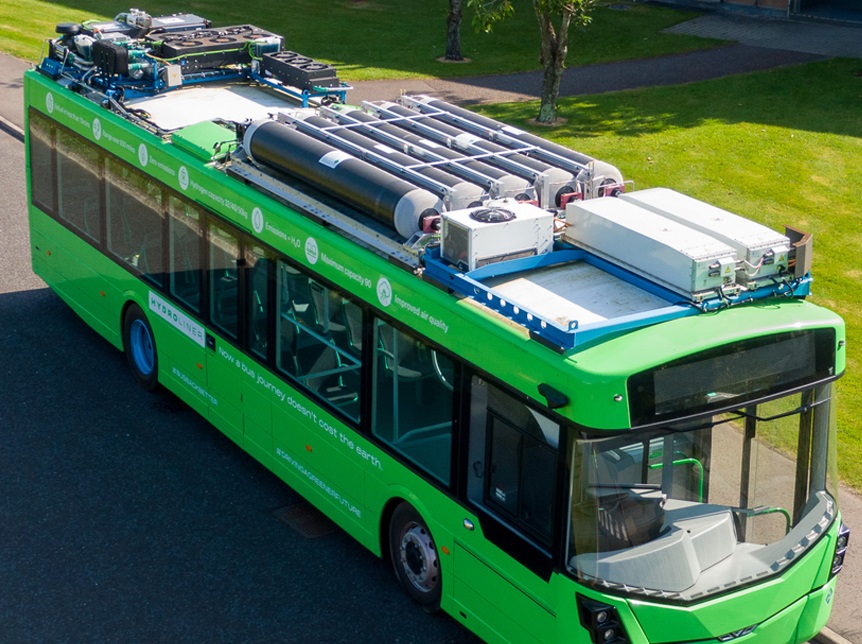
The transportation sector is on the cusp of a revolution, with hydrogen-powered public transportation emerging as a game-changer. Studies are underway in Italy, Europe, and beyond, and progress is being made rapidly. While there have been setbacks, it’s essential to continue innovating and striving for better solutions.
How Hydrogen Transportation Works
Hydrogen-powered buses run on a mix of hydrogen and methane, while trains will soon be fueled solely by hydrogen cells. These advancements aim to minimize the environmental impact of transportation. The production of hydrogen is crucial, as current methods have a significant carbon footprint. However, researchers are working on more sustainable methods.
To understand how hydrogen transportation works, it’s essential to delve into the basics. Hydrogen-powered vehicles produce only water vapor and condensed steam as exhaust, making them an attractive alternative to traditional fossil fuel-based transportation. The process involves several steps:
- Hydrogen Production: Hydrogen is typically produced through steam methane reforming (SMR) or electrolysis.
- Storage: The hydrogen is then stored in tanks on the vehicle.
- Fuel Cell: When the vehicle needs power, the hydrogen reacts with oxygen to produce electricity and water vapor.
This technology has far-reaching implications for public transportation. With the ability to power buses and trains solely on hydrogen, the environmental impact of transportation can be significantly reduced.
Hydrogen-Powered Buses: A Success Story
Bologna has seen success with its hydrogen-powered buses, dubbed MHybus. Developed in collaboration with Enea, Aster, Sol, Start Romagna, and the Emilia-Romagna region, this technology received recognition from the European Commission as a leader in environmental initiatives.
Although still an experimental service, MHybus has provided valuable insights into cost-benefit analysis of hydrogen-powered transportation. This pilot project has paved the way for further development and implementation.
The success of MHybus can be attributed to several factors:
- Partnership: Collaboration between various stakeholders enabled the successful implementation of this technology.
- Investment: Significant investment in infrastructure and research was crucial for the development of hydrogen-powered buses.
- Regulatory Support: The European Commission’s recognition of MHybus as a leader in environmental initiatives provided valuable validation.
MHybus has opened up new avenues for research and development, demonstrating the potential of hydrogen-powered transportation to transform public transit.
The Rise of Hydrogen-Powered Trains
Germany is set to introduce the world’s first hydrogen-powered train by 2017, with Alstom at the helm. This revolutionary technology promises to significantly reduce CO2 emissions. The train’s cells emit only water vapor and condensed steam, reducing noise pollution as well.
Although not yet in service, this train has generated significant interest, revealing the underlying technology. When operational, it will travel at speeds of up to 140 km/h, with an estimated range of between 600 and 800 kilometers.
The introduction of hydrogen-powered trains marks a significant milestone in transportation history. By leveraging advanced technologies like fuel cells and electrolysis, this innovation has the potential to transform the rail industry and minimize environmental impact.
Hydrogen Transportation in Italy
Italy is also making progress, with buses already in operation since 2013. A notable example is Bolzano’s hydrogen production facility near the Brenner Pass autostrada, which serves both private vehicles and public transportation.
Other European countries are following suit, with various initiatives underway to develop more efficient membrane separation technologies for hydrogen production (DEMOYS Project) and create a unified regulatory framework for hydrogen-powered vehicles (EIHP).
These developments demonstrate the growing momentum behind hydrogen transportation. As innovation continues to accelerate, we can expect to see even more ambitious projects and milestones achieved in the years to come.
The Future of Hydrogen Transportation
As the transportation sector continues to evolve, it’s essential to remain committed to innovation. With continued investment in research and development, we can move closer to realizing a sustainable future.
Several factors will shape the future of hydrogen transportation:
- Technological Advancements: Continued innovation in areas like fuel cells, electrolysis, and membrane separation technologies will drive progress.
- Regulatory Frameworks: Development of unified regulatory frameworks across Europe will facilitate widespread adoption of hydrogen-powered vehicles.
- Public-Private Partnerships: Collaboration between governments, corporations, and research institutions is crucial for the successful implementation of this technology.
By acknowledging these factors and working together, we can create a transportation sector that’s not only cleaner but also more efficient and sustainable.
Conclusion
Hydrogen transportation has the potential to revolutionize public transit. With ongoing research and development, we’re witnessing significant progress in areas like hydrogen-powered buses and trains.
While challenges remain, it’s essential to stay committed to innovation and strive for better solutions. As we continue to evolve this technology, we’ll unlock a cleaner, more sustainable future for transportation.
Stay tuned for more updates on this exciting topic by following me on Twitter, Facebook, Google+, Instagram, or check out our related articles on hydrogen-powered cars and sustainable mobility in Ravenna.
FAQs
Q: What is the current state of hydrogen transportation technology?
A: Hydrogen transportation technology is rapidly advancing, with various pilot projects underway to develop more efficient systems.
Q: How do hydrogen-powered buses work?
A: Hydrogen-powered buses run on a mix of hydrogen and methane, providing a cleaner alternative to traditional fossil fuels.
Q: What are the benefits of hydrogen-powered trains?
A: Hydrogen-powered trains emit only water vapor and condensed steam, significantly reducing CO2 emissions and noise pollution.
Q: Are there any challenges associated with hydrogen transportation technology?
A: Yes, the production of hydrogen is still a significant carbon footprint concern, but researchers are working on more sustainable methods.
Q: How can I stay updated on hydrogen transportation developments?
A: Follow me on Twitter, Facebook, Google+, Instagram for the latest news and insights on this exciting topic.
Q: What’s the potential impact of hydrogen transportation on the environment?
A: Hydrogen transportation has the potential to significantly reduce CO2 emissions and mitigate climate change.
Q: Are there any regulatory frameworks in place for hydrogen-powered vehicles?
A: Yes, initiatives like EIHP aim to create a unified regulatory framework for hydrogen-powered vehicles across Europe.


