
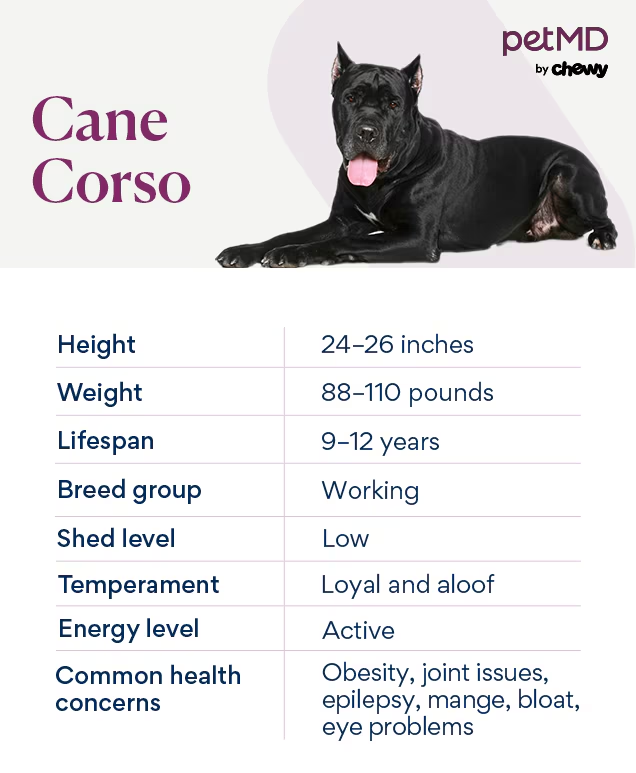
The Cane Corso is an ancient Italian breed known for its impressive size, muscular build, and gentle nature. As a popular companion dog, it’s essential to understand the characteristics, temperament, and care requirements of this magnificent breed.
Origins of the Cane Corso
Contrary to popular belief, the Cane Corso does not originate from Corsica but rather from Italy. The name “Cane Corso” translates to “courtyard dog,” referring to its original purpose as a guardian of farmyards and estates. This breed has a rich history dating back to ancient Rome, where it was used for guarding, hunting, and war.
Historians believe that the Cane Corso was developed from the Roman Molosser, a large dog bred for guarding and fighting. Over time, the breed evolved into different types, including the “Ragusano,” “Tuscan,” and “Sicilian” Cane Corsos, each with its unique characteristics.
Physical Characteristics
The Cane Corso is a large, muscular breed with a distinctive head shape, long muzzle, and expressive eyes. Its coat can be black, fawn, or brindle, with white markings on the chest, face, and legs. The breed’s size varies between males (65-75 inches tall) and females (55-65 inches tall), with a corresponding weight range of 70-90 pounds.
The Cane Corso’s physical appearance is not only impressive but also functional. Its broad chest, strong shoulders, and powerful hindquarters make it well-suited for active pursuits like hunting, guarding, and working.
Temperament
The Cane Corso is known for its gentle, affectionate nature, making it an excellent companion dog. It’s highly intelligent, responsive to training, and eager to please. However, its strong instinct as a guardian means it may become protective if not properly socialized and trained.
Proper socialization is essential to ensure the Cane Corso grows into a well-adjusted adult dog. Early exposure to various environments, people, and other animals can help prevent fear-based aggression and anxiety issues.
Socialization and Training
Socialization is crucial for any large breed dog, especially the Cane Corso. Expose your puppy to various environments, people, and other animals to prevent fear-based aggression. Positive reinforcement training is recommended to ensure a well-behaved adult dog.
Positive Reinforcement Training
Positive reinforcement training involves rewarding desired behaviors with treats, praise, and affection. This approach focuses on building trust between the dog and handler, promoting a strong bond and a lifelong partnership.
Some essential socialization techniques include:
- Puppy classes: Enroll your puppy in group classes to interact with other dogs and people.
- Home visits: Invite friends, family members, and neighbors over for playdates to help your dog become comfortable in various environments.
- Outdoor activities: Take your puppy on regular walks and outings to expose them to new sights, sounds, and smells.
Health Considerations
As with all breeds, the Cane Corso is prone to certain health issues, such as hip dysplasia, elbow dysplasia, and eye problems like cherry eye and cataracts. Regular veterinary check-ups, proper nutrition, and regular exercise can help prevent or manage these conditions.
Hip Dysplasia
Hip dysplasia is a common genetic disorder that affects the joint’s structure and function. Symptoms may include pain, stiffness, and difficulty walking.
To prevent hip dysplasia:
- Feed a balanced diet rich in omega-3 fatty acids.
- Provide regular exercise to maintain muscle mass and bone density.
- Consider adding joint supplements to your dog’s diet.
Elbow Dysplasia
Elbow dysplasia is another common health issue affecting the Cane Corso breed. Symptoms may include pain, stiffness, and difficulty jumping or climbing stairs.
To prevent elbow dysplasia:
- Feed a balanced diet rich in omega-3 fatty acids.
- Provide regular exercise to maintain muscle mass and bone density.
- Consider adding joint supplements to your dog’s diet.
Eye Problems
Cherry eye and cataracts are common eye problems affecting the Cane Corso breed. Symptoms may include redness, discharge, or vision loss.
To prevent eye problems:
- Feed a balanced diet rich in omega-3 fatty acids.
- Provide regular exercise to maintain muscle mass and bone density.
- Consider adding joint supplements to your dog’s diet.
Diet and Nutrition
A balanced diet with adequate protein, fat, and complex carbohydrates is essential for the Cane Corso’s overall health. Consult with your veterinarian to determine the best feeding schedule and food for your dog.
Some recommended dietary requirements include:
- High-quality protein sources (e.g., chicken, beef)
- Moderate levels of fat
- Complex carbohydrates (e.g., brown rice, sweet potatoes)
Exercise and Activity Level
The Cane Corso requires regular exercise to maintain its physical and mental well-being. Daily walks, playtime, and training sessions are recommended.
Aim for at least 30 minutes of moderate-intensity exercise per day, including:
- Brisk walking
- Playtime in a securely fenced area
- Training sessions
Price and Purchase
The Cane Corso can be a costly investment, with prices ranging from $700 to over $2,000 for a puppy. Ensure you purchase from a reputable breeder or rescue organization to avoid scams and support responsible breeding practices.
Reputable breeders prioritize health testing, temperament evaluation, and proper socialization. Look for breeders who:
- Have health clearances for their breeding dogs
- Prioritize temperament evaluation
- Provide regular updates on the puppy’s health and development
Frequently Asked Questions (FAQs)
- Is the Cane Corso a good family dog?
Yes, the Cane Corso can make an excellent family pet if properly socialized and trained. - How much exercise does a Cane Corso need?
The Cane Corso requires regular exercise to maintain its physical and mental well-being. - Is the Cane Corso a good guard dog?
While the Cane Corso has a strong instinct as a guardian, it’s not recommended for inexperienced owners due to its potential for aggression if not properly socialized and trained. - What are some common health issues in Cane Corsos?
Hip dysplasia, elbow dysplasia, and eye problems like cherry eye and cataracts are common health concerns in the breed. - Can I train a Cane Corso myself?
Positive reinforcement training is recommended, but it’s essential to work with an experienced trainer or behaviorist to ensure proper socialization and training.
By understanding the Cane Corso’s unique characteristics, temperament, and care requirements, you can provide a happy and healthy life for your new furry friend.


