
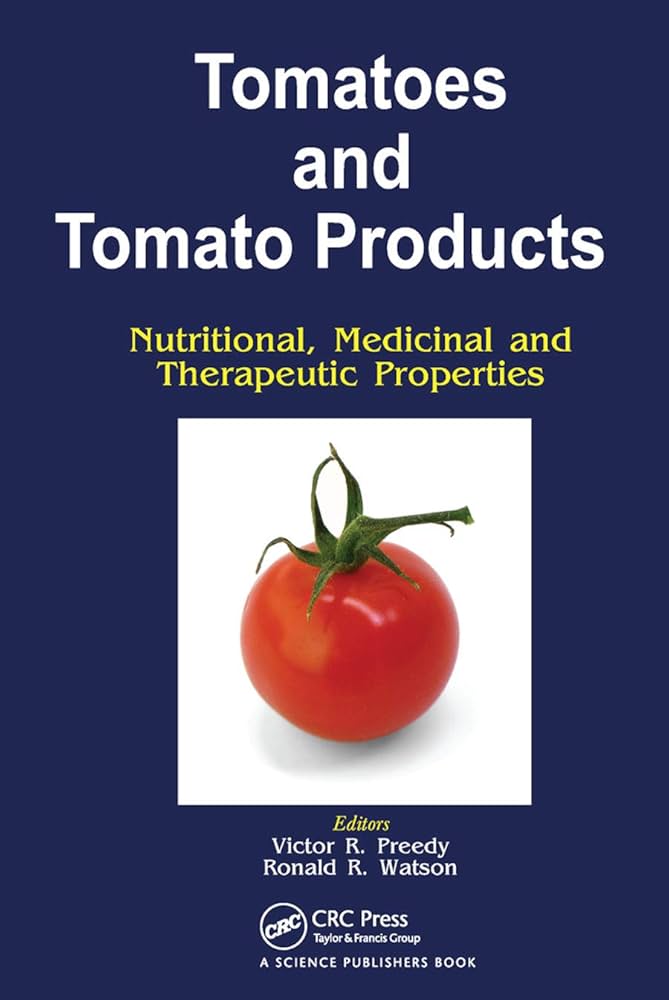
Tomatoes are a beloved ingredient in many cuisines, and for good reason. Not only are they incredibly versatile in cooking, but they also possess an impressive array of nutritional properties and therapeutic benefits.
But what makes tomatoes so special? Let’s dive into the fascinating world of these red wonders and explore their unique characteristics, health benefits, and culinary uses.
A Nutritional Powerhouse
Tomatoes are a rich source of water, minerals, and vitamins, making them an excellent addition to a balanced diet. Some of the key nutrients found in tomatoes include:
- Vitamin B: essential for energy production and nerve function
- Vitamin C: crucial for immune function, collagen production, and iron absorption
- Minerals: including potassium, magnesium, and manganese, which support healthy blood pressure, bone health, and immune function
These nutrients work together to provide a range of benefits, from supporting digestive health to boosting the immune system.
Aiding Digestion and Gut Health
Tomatoes have been shown to aid digestion and alleviate symptoms of irritable bowel syndrome (IBS). The high fiber content in tomatoes can help regulate bowel movements, while the acidity in tomatoes may help reduce inflammation in the gut.
In addition, the antioxidants and polyphenols present in tomatoes may help protect against oxidative stress and inflammation in the digestive tract.
Combatting Inflammation and Oxidative Stress
Tomatoes contain a range of anti-inflammatory compounds, including:
- Lycopene: a potent antioxidant that has been shown to reduce the risk of certain cancers and heart disease
- Beta-carotene: a precursor to vitamin A that helps protect against cell damage and oxidative stress
These compounds work together to provide a powerful defense against inflammation and oxidative stress, which can contribute to a range of chronic diseases.
Boosting Immune Function
Tomatoes are also an excellent source of vitamin C, which plays a critical role in immune function. Vitamin C helps support the production of white blood cells, which fight off infections and keep us healthy.
In addition, the antioxidants present in tomatoes may help protect against oxidative stress, which can weaken the immune system and increase the risk of illness.
Culinary Uses
Tomatoes are incredibly versatile and can be used in a wide range of dishes, from sauces and soups to salads and sandwiches. They’re also a great addition to smoothies and juices, providing a boost of vitamins and antioxidants.
Some popular ways to enjoy tomatoes include:
- Fresh slicing: add sliced tomatoes to salads, sandwiches, and wraps
- Roasting: roast cherry or grape tomatoes in the oven for a sweet and savory snack
- Sauce-making: blend cooked tomatoes with olive oil and herbs to create a delicious pasta sauce
Tips for Choosing Fresh Tomatoes
When selecting fresh tomatoes, look for those that are heavy for their size and have a rich, vibrant color. Avoid tomatoes with wrinkles or soft spots, as they may be overripe or spoiled.
Here are some additional tips for choosing the perfect tomato:
- Buy in season: choose tomatoes that are in season to ensure maximum freshness and flavor
- Avoid bruised fruit: select tomatoes without any visible signs of bruising or damage
- Check the stem: make sure the stem is dry and not soggy, as this can indicate over-ripeness
Growing Your Own Tomatoes
Tomatoes are relatively easy to grow and can thrive in a variety of conditions. With proper care and attention, you can enjoy a bountiful harvest of fresh tomatoes.
Here are some tips for growing your own tomatoes:
- Choose the right variety: select a tomato variety that is well-suited to your climate and desired flavor profile
- Provide adequate sunlight: make sure your tomatoes receive at least 6 hours of direct sunlight per day
- Use rich soil: use a well-draining potting mix with plenty of organic matter to support healthy growth
Preserving Tomatoes
While fresh tomatoes are delicious, they can be perishable. Fortunately, there are several ways to preserve them for later enjoyment.
Here are some popular methods for preserving tomatoes:
- Canning: can tomatoes in a water bath or pressure canner to enjoy throughout the year
- Freezing: freeze cherry tomatoes or tomato puree in ice cube trays or airtight containers for easy use in soups and sauces
- Dehydrating: dehydrate sliced tomatoes or tomato sauce on a food dehydrator or by drying them in the sun
Tomatoes in Different Cultures
Tomatoes have been celebrated in many cuisines around the world. Here are some examples of how tomatoes are used in different cultures:
- Italian cuisine: tomatoes are a staple ingredient in Italian cooking, particularly in pasta sauces and salads
- Mexican cuisine: tomatoes are often paired with chilies and onions to create delicious salsas and relishes
- Indian cuisine: tomatoes are used in curries and stews to add flavor and moisture
Tomatoes in Traditional Medicine
While tomatoes have been celebrated for their culinary and nutritional benefits, they have also been used in traditional medicine for centuries.
Here are some examples of how tomatoes have been used in traditional medicine:
- Digestive issues: tomatoes were traditionally used to treat digestive issues such as constipation and indigestion
- Skin problems: tomatoes were believed to have anti-inflammatory properties that could help soothe skin conditions like acne and eczema
Conclusion
Tomatoes are a nutrient-rich food that offers a range of health benefits and culinary uses. Whether you’re looking to boost your immune system, support digestive health, or simply add some flavor to your meals, tomatoes are an excellent choice.
So next time you’re at the grocery store, be sure to pick up a few pounds of fresh tomatoes and get creative in the kitchen!


