
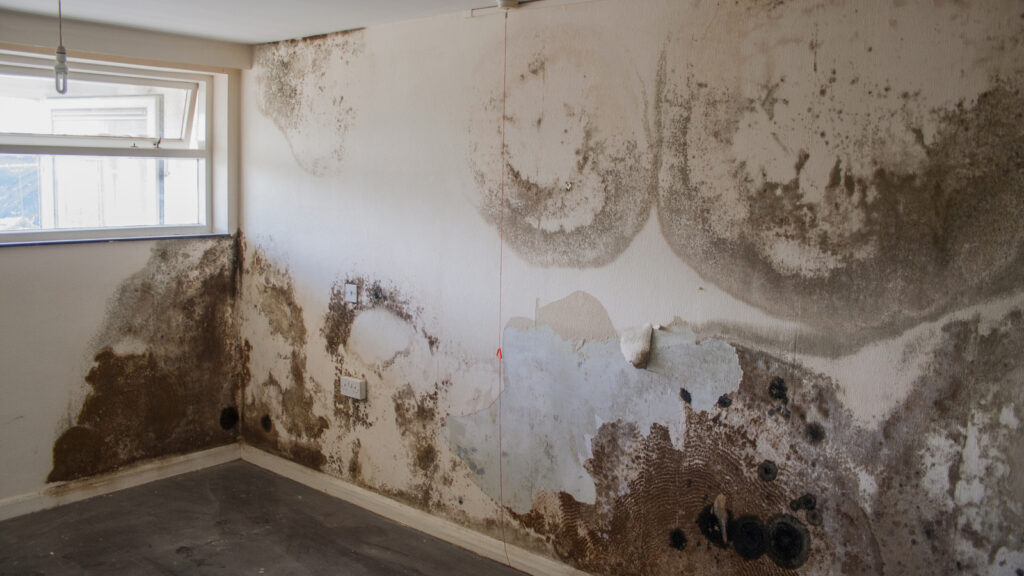
As a building owner, you may have encountered issues with water-related problems, such as dampness and condensation, that can lead to costly repairs and potential health hazards. In this article, we will explore the causes of these problems and discuss various solutions, including passive and active systems, to help you understand and solve them.
What Causes Water-Related Issues in Buildings?
Water-related issues in buildings are often caused by a combination of factors, including poor construction techniques, inadequate insulation, and environmental conditions. One common cause is the presence of water vapor that rises from the ground and condenses on surfaces, leading to dampness and condensation.
Passive vs. Active Systems: Understanding the Options
When it comes to addressing water-related issues in buildings, there are two main approaches: passive and active systems. Passive systems rely on natural processes to resolve the issue, while active systems use technology to intervene.
- Passive Systems: These systems work by modifying the environment to prevent or reduce the presence of water vapor. For example, a passive system might use materials with high thermal mass, such as concrete or brick, to absorb and release heat, reducing the likelihood of condensation.
- Active Systems: These systems use technology to intervene directly in the problem. Active systems might use devices that emit a frequency of radiation that disrupts the water vapor, making it less likely to condense.
Limitations of Active Systems
While active systems can be effective, they also have limitations. For example:
- Frequency Issues: Active systems rely on a specific frequency of radiation to disrupt the water vapor. However, this frequency may not always match the natural frequency of the water vapor, making it less effective.
- Insufficient Coverage: Active systems typically require a direct connection to the affected area, which can be difficult to achieve in complex building structures.
Passive Systems: A More Effective Approach?
Despite the limitations of active systems, passive systems offer several advantages. For example:
- Natural Process: Passive systems work with natural processes, reducing the risk of unintended consequences.
- Long-Term Solution: Passive systems can provide a long-term solution to water-related issues, as they address the underlying causes rather than just treating symptoms.
Solutions for Specific Building Materials
When it comes to addressing water-related issues in specific building materials, there are several solutions available:
- Concrete: Concrete is prone to moisture absorption and can lead to issues like efflorescence. However, using materials with high thermal mass or applying a coating can help reduce these issues.
- Brick: Brick is another material that can be affected by water-related issues. Applying a sealant or using a breathable membrane can help mitigate these problems.
Real-World Examples
To put these concepts into practice, consider the following real-world examples:
- Building Insulation: Proper insulation can help reduce heat transfer and minimize moisture accumulation.
- Ventilation Systems: Ventilation systems can help remove moisture-laden air from buildings, reducing the risk of condensation.
Case Study:
In a recent project, a building owner encountered issues with water-related problems in a residential complex. The problem was caused by inadequate insulation and poor construction techniques. To address the issue, the building owner opted for passive systems that utilized materials with high thermal mass to absorb and release heat. Additionally, the installation of ventilation systems helped remove moisture-laden air from the buildings.
Conclusion
Addressing water-related issues in buildings requires a comprehensive approach that takes into account the underlying causes and uses technology effectively. By understanding passive and active systems, building owners can make informed decisions about the best solution for their specific needs. With the right combination of natural processes and technological interventions, it is possible to create dry and healthy environments that promote well-being.
Frequently Asked Questions
- What are some common causes of water-related issues in buildings?
- How do passive systems work?
- What are the limitations of active systems?
- Can passive systems be effective for specific building materials like concrete and brick?
- What is the best approach to addressing water-related issues in buildings?
Additional Tips:
- Regular inspections can help identify potential water-related issues before they become major problems.
- Building owners should consider consulting with experts in the field of water-related issues in buildings to ensure that their solutions are effective and sustainable.
- Proper maintenance and upkeep of building systems can also help prevent water-related issues.
Conclusion
In conclusion, addressing water-related issues in buildings requires a comprehensive approach that takes into account the underlying causes and uses technology effectively. By understanding passive and active systems, building owners can make informed decisions about the best solution for their specific needs. With the right combination of natural processes and technological interventions, it is possible to create dry and healthy environments that promote well-being.
References:
- “The Effects of Condensation on Buildings” by the International Association of Plumbing and Mechanical Officials
- “Passive Systems for Water-Related Issues in Buildings” by the National Institute of Building Sciences


