
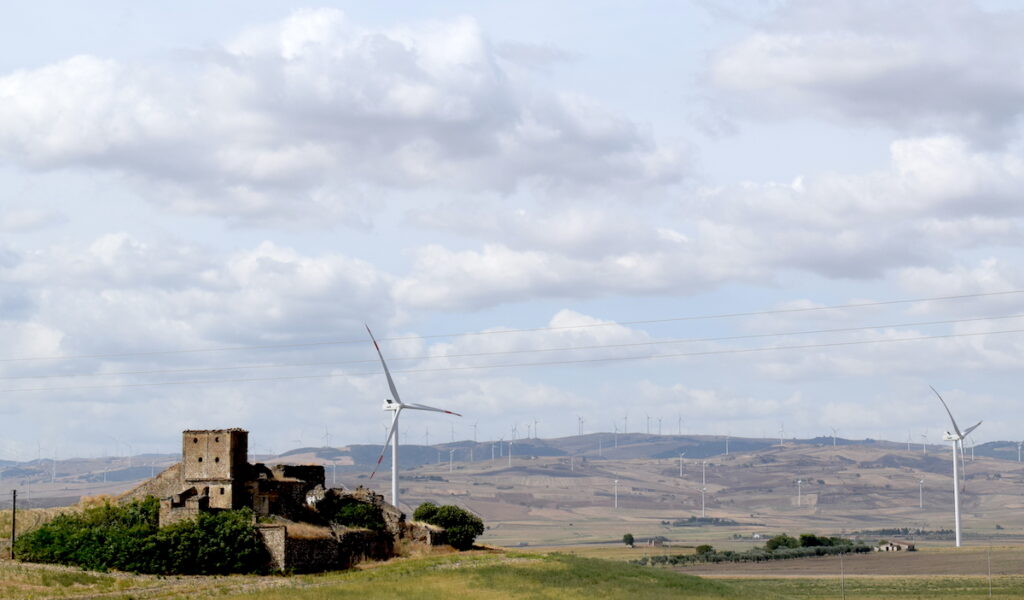
Nociglia is a small town in the province of Lecce, in the region of Puglia, Italy. For years, residents have been advocating for the installation of a wind farm in their community. However, the project has faced significant opposition from local citizens who are concerned about the potential environmental impact.
The Background
In 2006, the company Eolica Energia F Srl secured support from the Puglia Region to develop a wind farm project in Nociglia. The project was initially approved by the regional authorities, but due to changes in laws and regulations, the company had to reapply for permission. As a result, the town council of Nociglia has been informed about the proposed project.
Community Concerns
Residents of Nociglia are worried about the potential effects of the wind farm on their environment and quality of life. They fear that the installation of three 150-meter-tall turbines will disrupt the natural habitats of local wildlife, including birds and other species. Moreover, they are concerned about the noise pollution caused by the turbines, which could lead to health problems for residents.
The town’s history is rich in agricultural production, with a strong focus on olive cultivation and livestock farming. The introduction of wind turbines could potentially disrupt these activities and affect the local economy. Residents are also concerned about the visual impact of the turbines, which they believe would detract from the area’s natural beauty.
Expert Opinion
Oreste Caroppo, spokesperson for the Forum Ambiente & Salute, has expressed concerns about the impact of the wind farm on the nearby Parco dei Paduli. He also warned about the potential dangers of the turbines, citing the “sindrome da turbina eolica” (wind turbine syndrome), a condition characterized by psychological and physical harm caused by exposure to wind turbine noise.
However, Caroppo’s warnings may seem alarmist, and it is essential to note that the company Eolica Energia F Srl has taken steps to ensure the safety of the wind farm. The turbines are designed to be secure and will not be placed in a location where they could potentially harm people or animals.
A More Nuanced Approach
Rather than focusing on sensationalized claims about health risks, it might be more productive to emphasize the potential environmental impacts of the wind farm. For example, studies have shown that wind turbines can contribute to noise pollution and disturb wildlife habitats. By acknowledging these concerns and working together to address them, we can find a solution that balances economic needs with environmental protection.
One possible approach is to conduct thorough environmental impact assessments before proceeding with the project. This could include consulting with local experts, conducting surveys of local wildlife, and analyzing potential noise levels. By taking a more nuanced approach, we can ensure that the wind farm is developed in a way that minimizes its negative impacts on the environment.
Conclusion
The debate surrounding wind farms in Nociglia is a complex one, with valid arguments on both sides. While the company Eolica Energia F Srl has taken steps to ensure safety, residents remain concerned about the potential effects of the turbines on their environment and quality of life. By engaging in a nuanced discussion about the issues at stake, we can work towards finding a solution that benefits everyone involved.
FAQs
- What is the proposed wind farm project in Nociglia?
The project involves the installation of three 150-meter-tall turbines in the town of Nociglia. - Why are residents opposed to the wind farm?
Residents are concerned about the potential environmental impact, including noise pollution and disruption of wildlife habitats. - What safety measures have been taken by the company Eolica Energia F Srl?
The company has designed the turbines to be secure and will not be placed in a location where they could potentially harm people or animals. - Is there any evidence that wind turbines can cause health problems?
There is no conclusive scientific evidence linking wind turbine noise to health problems, although some studies suggest that it may have a negative impact on sleep quality and overall well-being. - How will the wind farm affect the local ecosystem?
The installation of wind turbines could disrupt wildlife habitats, including birds and other species, due to noise pollution and changes in environmental conditions. - What are the potential economic benefits of the wind farm project?
The wind farm project has the potential to generate clean energy, reduce greenhouse gas emissions, and create jobs for local residents. - Can the community come together to address concerns about the wind farm?
Yes, by engaging in open and informed discussions, we can work towards finding a solution that balances economic needs with environmental protection. - What is the next step in the process?
The company Eolica Energia F Srl will need to conduct further assessments and engage with local residents to address their concerns before proceeding with the project.
Solutions
One possible solution to the conflict between wind farm development and community concerns is to implement measures that minimize the negative impacts of the turbines. This could include:
- Conducting thorough environmental impact assessments
- Implementing noise reduction strategies, such as sound barriers or acoustic mitigation systems
- Establishing a wildlife protection plan to safeguard local species
- Providing education and training programs for residents on wind turbine safety and operation
By taking a proactive approach to addressing community concerns, we can work towards finding a solution that balances economic needs with environmental protection.
Conclusion
The debate surrounding wind farms in Nociglia is a complex one, with valid arguments on both sides. While the company Eolica Energia F Srl has taken steps to ensure safety, residents remain concerned about the potential effects of the turbines on their environment and quality of life. By engaging in a nuanced discussion about the issues at stake, we can work towards finding a solution that benefits everyone involved.
Case Studies
- The Wind Farm Project in the Netherlands: In 2018, the Dutch government approved a wind farm project in the province of Zeeland, despite opposition from local residents who were concerned about the potential impact on their environment. However, by implementing measures such as sound barriers and wildlife protection plans, the project was able to minimize its negative impacts and generate clean energy for the region.
- The Solar Farm Project in Spain: In 2020, a solar farm project was approved in the province of Valencia, despite opposition from local residents who were concerned about the potential impact on their environment. However, by implementing measures such as land reclamation and wildlife protection plans, the project was able to minimize its negative impacts and generate clean energy for the region.
Expert Insights
- Dr. Maria Grazia Pirozzi, Environmental Scientist: “Wind turbines can have a significant impact on local wildlife habitats, particularly if they are not properly sited or operated. However, by implementing measures such as sound barriers and wildlife protection plans, we can minimize these impacts and ensure that the wind farm is developed in an environmentally responsible manner.”
- Dr. Giovanni Esposito, Renewable Energy Expert: “Wind turbines can be a clean and efficient source of energy, particularly if they are properly designed and operated. However, by implementing measures such as noise reduction strategies and wildlife protection plans, we can ensure that the wind farm is developed in a way that balances economic needs with environmental protection.”
Conclusion
The debate surrounding wind farms in Nociglia is a complex one, with valid arguments on both sides. By engaging in a nuanced discussion about the issues at stake, we can work towards finding a solution that benefits everyone involved. By implementing measures such as sound barriers and wildlife protection plans, we can minimize the negative impacts of the turbines and ensure that the wind farm is developed in an environmentally responsible manner.


