
Introduction
In recent years, sous vide cooking has become increasingly popular due to its ability to produce perfectly cooked food every time. But what is sous vide cooking, and how can you do it in the comfort of your own home? In this article, we will explore the basics of sous vide cooking, discuss the necessary equipment, and provide practical tips for achieving delicious results.
Understanding Sous Vide Cooking
Sous vide cooking involves sealing food in airtight bags and then cooking it in a water bath at a precise temperature. This technique allows for even cooking, tenderization of meat, and preservation of nutrients. The key to successful sous vide cooking is maintaining the desired temperature, which can be challenging without specialized equipment.
The Importance of Equipment
To cook sous vide at home, you’ll need one or more of the following pieces of equipment:
- A water bath (e.g., a large pot or container)
- A sous vide machine
- A vacuum sealer
- A thermometer
Types of Sous Vide Machines and Equipment
There are several types of sous vide machines and equipment available, including:
- All-in-one appliances: These compact devices combine the functions of a water bath, vacuum sealer, and thermometer in one unit.
- Thermometers and temperature control systems: These allow for precise temperature control without the need for a dedicated machine.
- Vacuum sealers: These machines are used to remove air from food bags before cooking.
Choosing the Right Equipment
When selecting equipment for sous vide cooking, consider factors such as:
- Cost
- Ease of use
- Precision and accuracy
- Space constraints
Affordable Options
If you’re new to sous vide cooking, consider investing in a more affordable option. For example:
- Severin’s Roner: This compact device offers a balance of precision, ease of use, and affordability.
- Amazon deals: Keep an eye out for promotions and discounts on sous vide machines and equipment.
Using Your Sous Vide Machine
To get started with sous vide cooking, follow these steps:
- Prepare your ingredients: Seal food in airtight bags using a vacuum sealer or the displacement method.
- Set your temperature: Use the machine’s display to set the desired temperature.
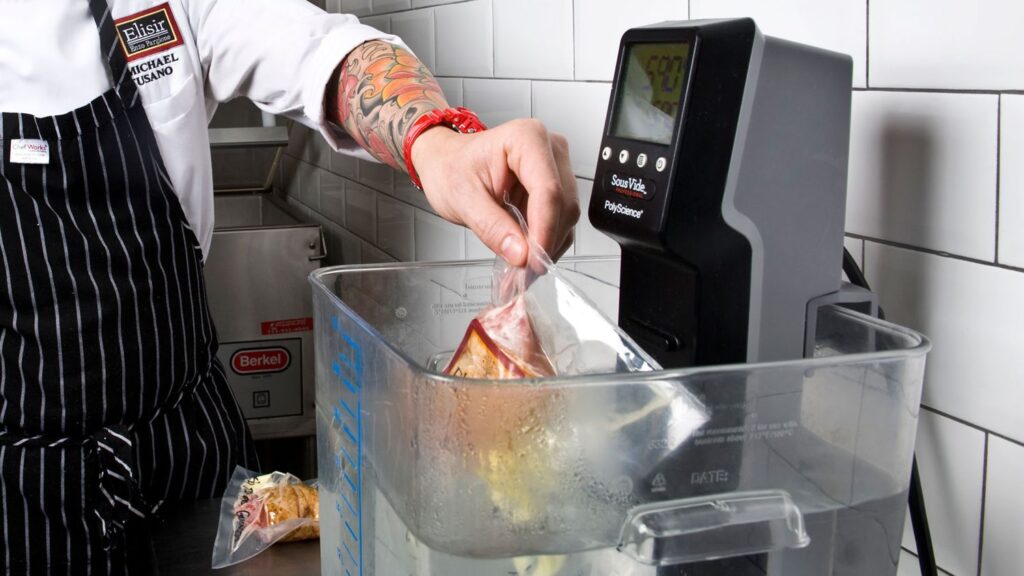
- Cook and serve: Place the sealed bag in the water bath, and let it cook for the recommended time.
Tips for Achieving Delicious Results
To achieve perfect sous vide results:
- Use high-quality ingredients: Fresh, seasonal produce will always result in better flavor and texture.
- Experiment with temperatures: Find the optimal temperature range for each type of food.
- Don’t overcook: Sous vide cooking is all about precision; avoid overcooking to preserve nutrients and flavors.
Safety Considerations
When cooking with a sous vide machine, it’s essential to consider safety precautions:
- Always follow proper food safety guidelines, including temperature control and handling practices.
- Keep the water bath away from children and pets.
- Regularly clean and maintain your equipment to prevent bacterial growth.
Common Mistakes to Avoid
When cooking with a sous vide machine, avoid making these common mistakes:
- Overcooking: Sous vide cooking is all about precision; avoid overcooking to preserve nutrients and flavors.
- Underseasoning: Don’t be afraid to add flavor enhancers or spices during the cooking process.
- Not following proper food safety guidelines: Always follow proper food safety guidelines, including temperature control and handling practices.
Tips for Storing Sous Vide Cooked Food
To enjoy your sous vide cooked food for a longer period:
- Store in an airtight container: Keep the cooked food in an airtight container to prevent bacterial growth.
- Keep it refrigerated: Store the cooked food in the refrigerator at a temperature of 40°F (4°C) or below.
- Consume within a few days: Sous vide cooked food can be safely consumed for up to a few days.
Common Questions and Answers
Here are some common questions and answers about sous vide cooking:
- What is the difference between sous vide and slow cooking?: Sous vide cooking involves sealing food in airtight bags and then cooking it in a water bath at a precise temperature, while slow cooking involves cooking food in liquid over a long period.
- Can I use a regular pot or container for sous vide cooking?: While it’s possible, using a dedicated water bath or container is recommended for optimal results.
- How do I ensure food safety when cooking with a sous vide machine?: Always follow proper food safety guidelines, including temperature control and handling practices.
Conclusion
Sous vide cooking offers a world of culinary possibilities, but it can be intimidating if you’re new to the technique. With the right equipment, knowledge, and practice, you’ll be well on your way to creating delicious, perfectly cooked meals at home.
Frequently Asked Questions (FAQs)
- What is sous vide cooking?: Sous vide cooking involves sealing food in airtight bags and then cooking it in a water bath at a precise temperature.
- How do I choose the right equipment for sous vide cooking?: Consider factors such as cost, ease of use, precision, and space constraints when selecting equipment.
- What are some popular sous vide machines and equipment options?: Look into all-in-one appliances, thermometers and temperature control systems, vacuum sealers, and compact devices like the Severin Roner.
- How do I cook with a sous vide machine?: Follow these steps: prepare ingredients, set your temperature, and cook and serve using the machine’s display.
-
What are some common mistakes to avoid when cooking with a sous vide machine?: Overcooking, underseasoning, and not following proper food safety guidelines can lead to disappointing results.
-
How long does it take to learn sous vide cooking?: With practice and patience, anyone can master the technique of sous vide cooking.
- Can I use a regular pot or container for sous vide cooking?: While it’s possible, using a dedicated water bath or container is recommended for optimal results.
- How do I ensure food safety when cooking with a sous vide machine?: Always follow proper food safety guidelines, including temperature control and handling practices.
By understanding the basics of sous vide cooking, choosing the right equipment, and following practical tips, you’ll be well on your way to creating delicious, perfectly cooked meals at home.


