
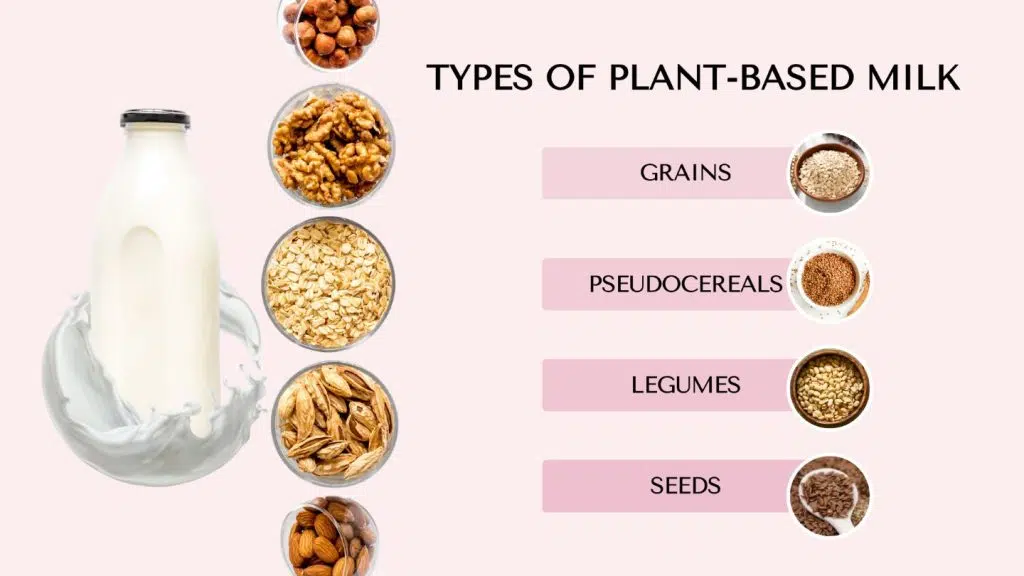
As a vegan, you’re probably familiar with the various types of plant-based milks available in stores. But did you know that there are many more options beyond what’s commonly found on shelves? From traditional favorites like almond milk and soy milk to lesser-known varieties like lupin milk and sesame seed milk, the world of plant-based milks is vast and exciting.
For centuries, people around the world have consumed plant-based milks as a regular part of their diets. While they may not be a substitute for dairy milk in every culture, they often play a significant role in traditional cuisine. In this article, we’ll explore the different types of plant-based milks available, their nutritional profiles, and how they can be used in various recipes.
Types of Plant-Based Milks
Let’s start with some of the most popular plant-based milks:
- Almond Milk: Made from almonds and water, this milk is a classic choice for vegans.
- Soy Milk: Fortified with protein and calcium, soy milk is a popular option among vegans.
- Coconut Milk: High in saturated fat, coconut milk is often used in curries and other savory dishes.
- Rice Milk: Made from rice and water, this milk is hypoallergenic and easy to digest.
- Oat Milk: A plant-based milk alternative made from oats and water.
But there are many more types of plant-based milks available, including:
- Lupin Milk
- Sesame Seed Milk
- Hemp Milk
- Cashew Milk
- Flaxseed Milk
Why Choose Plant-Based Milks?
So why would you choose a plant-based milk over dairy milk? Here are some compelling reasons:
- Lactose Intolerance: Many people experience lactose intolerance, making it difficult to consume dairy milk.
- Vegan Diet: A plant-based diet is often associated with veganism, and choosing plant-based milks is an easy way to stay true to your dietary values.
- Allergies: Some people may be allergic to dairy or have sensitivities that make it difficult to tolerate lactose-containing products.
Nutritional Profiles
Each type of plant-based milk has its own unique nutritional profile, which can vary depending on the brand and type. Here’s a brief rundown:
- Almond Milk: Low in calories, fat, and protein.
- Soy Milk: High in protein and calcium.
- Coconut Milk: Rich in saturated fat and calories.
- Rice Milk: Hypoallergenic and easy to digest.
However, it’s worth noting that many plant-based milks are fortified with essential nutrients like calcium, vitamin D, and potassium. This means that they can provide similar nutritional benefits to dairy milk, making them a great alternative for those looking to reduce their intake of animal products.
Using Plant-Based Milks in Recipes
Plant-based milks can be used in a variety of recipes, from smoothies and oatmeal to curries and baked goods. Here are some ideas:
- Yogurt: Use plant-based milk as a base for vegan yogurt.
- Baked Goods: Substitute dairy milk with plant-based milk in your favorite baked goods recipe.
- Smoothies: Blend plant-based milk with frozen fruit and spinach for a healthy smoothie.
Tips for Substituting Plant-Based Milks
While many recipes can be easily substituted with plant-based milks, there are some things to keep in mind:
- Thickening Agent: Some plant-based milks, like coconut milk, can be quite thick. You may need to add a thinning agent, like water or lemon juice, to achieve the desired consistency.
- Flavor Profile: Different plant-based milks have unique flavor profiles that can affect the overall taste of your dish.
- Texture: Some plant-based milks, like oat milk, can be quite watery. You may need to add a thickening agent or reduce the amount used in the recipe.
Conclusion
The world of plant-based milks is vast and exciting, with many options available to suit different tastes and dietary needs. Whether you’re vegan, lactose intolerant, or simply looking for a healthier alternative, plant-based milks are definitely worth exploring.
Frequently Asked Questions
- Q: What is the best type of plant-based milk?
A: The best type of plant-based milk depends on your personal preferences and dietary needs. - Q: How do I choose a good quality plant-based milk?
A: Look for brands that use high-quality ingredients and are transparent about their production processes. - Q: Can I substitute dairy milk with plant-based milk in all recipes?
A: Not always. Some recipes may require adjustments to texture or flavor. - Q: Are plant-based milks as nutritious as dairy milk?
A: Yes, many plant-based milks are fortified with essential nutrients like calcium and protein. - Q: Can I make my own plant-based milk at home?
A: Yes, you can make your own plant-based milk using a blender or food processor. - Q: How do I store plant-based milk?
A: Store plant-based milk in the refrigerator and consume within 3-5 days. - Q: Can I freeze plant-based milk?
A: Yes, some plant-based milks can be frozen for later use. - Q: Are all plant-based milks allergen-friendly?
A: Some plant-based milks may contain common allergens like nuts or soy, so it’s essential to read labels carefully.
More About Plant-Based Milks
If you’re looking for more information on plant-based milks, here are some additional resources:
- The Vegan Society: A great resource for vegan recipes and product reviews.
- Plant-Based Milk Reviews: A website dedicated to reviewing and comparing different types of plant-based milk.
- Healthline: A website that provides comprehensive information on the nutritional benefits of plant-based milks.
Conclusion
In conclusion, the world of plant-based milks is vast and exciting, with many options available to suit different tastes and dietary needs. By exploring the different types of plant-based milks and their nutritional profiles, you can make informed decisions about which ones are right for you. Whether you’re vegan, lactose intolerant, or simply looking for a healthier alternative, plant-based milks are definitely worth considering.


