
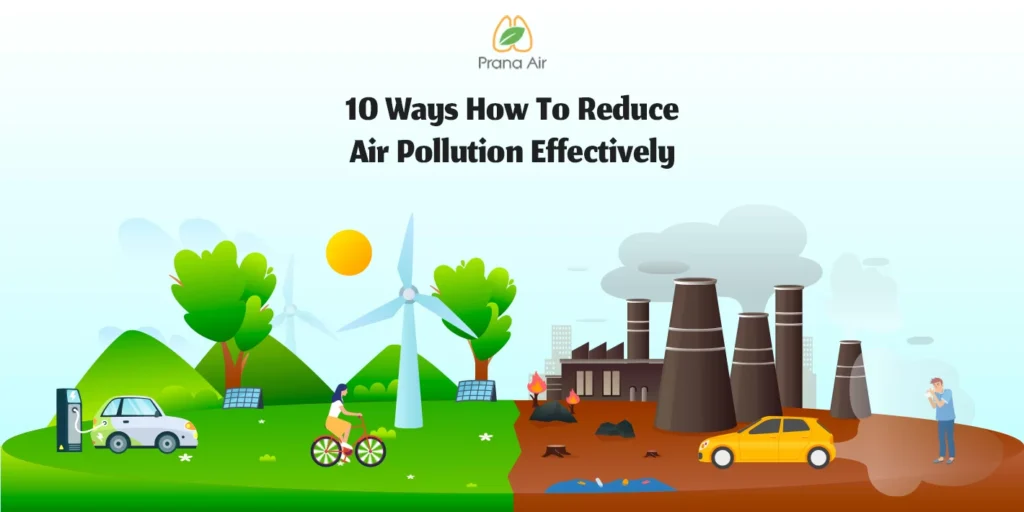
In recent years, several Italian cities have sounded the alarm on air pollution. Urban traffic contributes to the accumulation of pollutants and fine particles in the air, affecting mainly city residents.
Reducing air pollution is essential for promoting a better quality of life and preserving environmental health. Unfortunately, we continue to face issues related to emissions every year. To address these problems, Legambiente, an environmental association, proposed specific guidelines to reduce air pollution. What are these guidelines? Here’s what they suggest:
Creating a Pedestrian Network for Sustainable Transportation
Cities like Europe have already promoted cycling zones to encourage people to use bicycles instead of cars. This is only possible if we create a network that covers most of the city. Additionally, many European capitals provide designated spaces for bicycles on public transportation to reach distant and inaccessible areas. By promoting cycling, we can reduce car traffic and lower CO2 emissions from vehicle exhaust.
One way to achieve this is by implementing bike-friendly infrastructure such as bike lanes, bike paths, and bike-share systems. Governments and local authorities must prioritize the development of these networks by allocating sufficient funds for their construction and maintenance. Furthermore, they should also encourage businesses to offer discounts or incentives for employees who use bicycles instead of cars.
Zero-Impact Transportation Options
Thanks to technological innovations, it’s possible to travel within cities using zero-impact transportation options like buses or private vehicles. Incentivizing the use of electric, hybrid, and non-polluting cars is crucial for reducing air pollution. Moreover, investing in hybrid public transportation, such as electric buses, and expanding metropolitan lines would also be beneficial.
Cities can take several steps to promote the use of zero-impact transportation options:
- Implementing Congestion Pricing: Implementing congestion pricing schemes where drivers who exceed a certain speed or stay within specific zones for extended periods are charged higher fees.
- Offering Discounts and Incentives: Offering discounts and incentives to users of electric, hybrid, and non-polluting cars. This can be done by providing financial benefits or offering free parking for these vehicles in designated areas.
Limited Traffic Zones for Private Vehicles
Many people rely on their cars even for short trips. Creating limited traffic zones, like those already implemented in various European cities, can encourage the purchase of low-impact vehicles or hybrids. By restricting access to polluted areas or city centers, we can limit car usage and lower emissions.
To implement such zones effectively, governments must consider several factors:
- Defining the Zone: Defining the area within which limited traffic zones will be implemented. This should take into account the density of population, traffic volume, and other relevant environmental factors.
- Setting Boundaries: Setting clear boundaries for the zone, including specific rules and regulations for drivers who wish to enter or stay within it.
Increased Parking Fees
To reduce car usage in urban areas and promote eco-friendly transportation, implementing a pay-per-parking system with higher fees for polluting cars could be effective. The revenue generated from these fees could be invested in sustainable mobility solutions.
Cities can also consider other strategies to discourage car usage:
- Implementing Low-Emission Zones: Implementing low-emission zones where only certain vehicles are allowed to enter.
- Offering Alternative Parking Options: Offering alternative parking options, such as bike parking or electric vehicle charging stations, in areas with high demand.
Retrofitting Buildings for Energy Efficiency
Reducing energy consumption in buildings, including both private and public ones, is essential for reducing pollution. According to Legambiente, approximately 400,000 interventions are needed annually to achieve this goal. Furthermore, using non-fossil fuel-based heating systems would help reduce emissions from these sources.
Cities can take several steps to promote energy efficiency:
- Offering Incentives and Rebates: Offering incentives and rebates for building owners who retrofit their properties with energy-efficient solutions.
- Providing Training and Education: Providing training and education on energy-efficient practices and technologies for building occupants.
- Implementing Building Codes: Implementing building codes that require new buildings to meet minimum energy efficiency standards.
Signaling Environmental Crimes
Even reporting environmental crimes can make a difference. From illegal dumping to the presence of asbestos, and from unauthorized construction to illicit waste disposal. How can you report an environmental crime?
There are several ways to report environmental crimes:
- Contacting Local Authorities: Contacting local authorities, such as the police or public works department, to report suspected environmental crimes.
- Reporting through Hotlines: Reporting through hotlines or online platforms that provide information on environmental crimes and their reporting processes.
How to Report an Environmental Crime: A Step-by-Step Guide
Here are some key ways to report environmental crimes:
- Identify the type of crime
- Gather evidence and documentation
- Contact local authorities
- Follow up with authorities
Reporting environmental crimes is a crucial step towards reducing air pollution and promoting sustainability. By following these guidelines, individuals can contribute to creating a healthier environment for themselves and future generations.



