
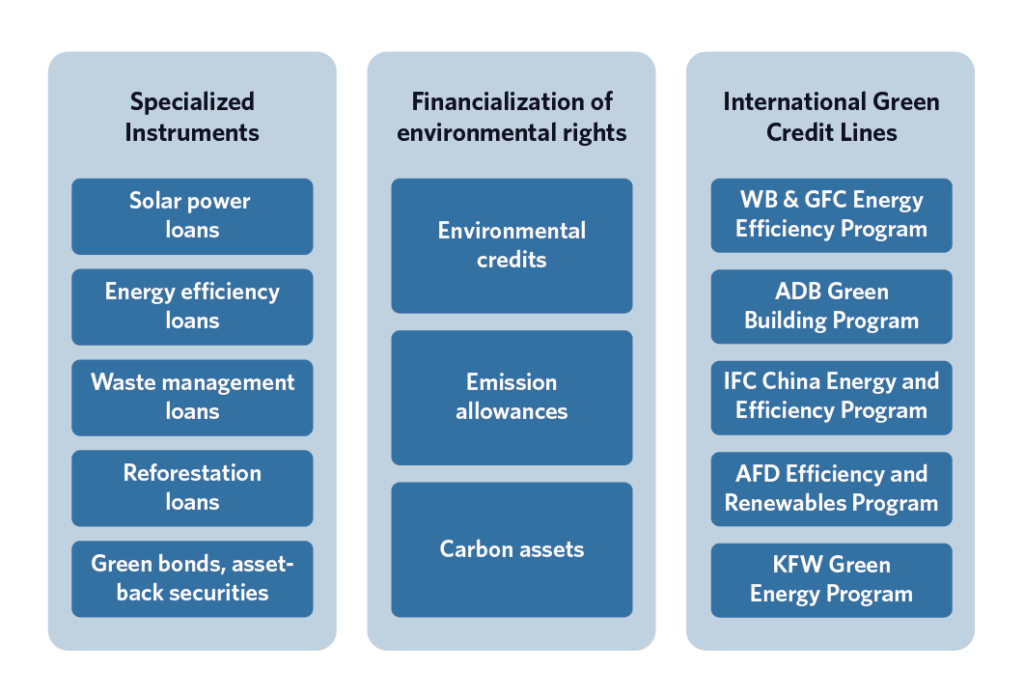
Efficiency in energy is a shared goal among institutions at every level, from the European Union’s Strategy 2020 to local administrative bodies. Many programs have been implemented to encourage savings and sustainability in the energy sector. However, the current crisis makes it increasingly difficult to find economic resources necessary to achieve set goals. In this context, Green Banking can represent a valuable resource to implement sustainable policies.
Green Banking is an innovative approach that combines financial services with environmental sustainability. It aims to promote energy efficiency by providing resources for sustainable development, unlocking new opportunities for growth and innovation. By understanding how banks can act in this area, we can unlock the potential of Green Banking and contribute to a more sustainable future.
How Banks Can Act
Banks can take three different approaches to promote energy efficiency through Green Banking:
- Proposing lines of credit for sustainable projects: Banks can offer specialized products for energy efficiency, such as loans for individuals and small and medium-sized enterprises (SMEs) who want to implement energy-efficient measures.
- Acting as intermediaries between credits from third-party sources and entities that need access to financing: Banks can coordinate between funds made available by external actors, such as the EU or the Kyoto Fund, and final beneficiaries.
- Adopting policies that support environmental sustainability: Banks can radicalize their procedures and adopt methods of management that prioritize environmental sustainability, such as energy-efficient operations and responsible investments.
The First Sector of Intervention: Specialized Products for Energy Efficiency
This approach is becoming increasingly common among banks, who are choosing to offer specialized products for energy efficiency. Loans are directed both to individuals and SMEs, with particularly favorable conditions, such as reduced interest rates or even zero-interest rates. Enterprises that want to implement energy-efficient measures can also count on additional fiscal advantages from the state, through the detraction from corporate tax.
For example, the Italian bank Intesa Sanpaolo has launched a line of credit for renewable energy projects, which provides favorable conditions to SMEs and individuals who want to invest in sustainable technologies. Similarly, the Dutch bank ABN AMRO has introduced a product that allows households to finance energy-efficient measures, such as insulation and solar panels.
The Second Case: Coordination between External Funds and Beneficiaries
In this case, banks play a role of coordination between funds made available by external actors and final beneficiaries. This modality of Green Banking is particularly well-suited for financing actions taken by local institutions, which often struggle to find the resources necessary to promote sustainability on their territory.
For example, the European Investment Bank (EIB) provides financing for energy efficiency projects in Europe, but the application process can be complex and time-consuming. Banks like UniCredit can act as intermediaries between the EIB and local authorities, making it easier for them to access funding for sustainable projects.
The Third Case: Radicalizing Banking Procedures
Finally, this approach concerns methods of management and internal policies of credit institutions. A decisive shift towards environmental sustainability and energy efficiency can lead to non-negligible results. An example is the Bank of Piraeus, one of Greece’s largest banks, which was able to radicalize its procedures thanks to a European program.
The Bank of Piraeus has implemented a number of initiatives aimed at promoting sustainable development, such as reducing greenhouse gas emissions and increasing energy efficiency in its operations. The bank has also established a dedicated team for sustainability, which works with stakeholders to identify opportunities for improvement and develop new products and services that support environmental sustainability.
The Benefits of Green Banking
Green Banking offers the opportunity to intervene in favor of models of efficient and innovative development that would otherwise struggle to find credit. By promoting energy efficiency through sustainable projects and policies, banks can contribute to a more sustainable future and unlock new opportunities for growth and innovation.
Green Banking also has numerous benefits for individuals, SMEs, and local institutions. For example:
- Individuals can benefit from access to loans for energy-efficient measures, such as installing solar panels or upgrading insulation.
- SMEs can benefit from accessing loans for energy-efficient measures or obtaining additional fiscal advantages.
- Local institutions can promote sustainability on their territory and access funds made available by external actors.
Conclusion
Green Banking can play a significant role in promoting energy efficiency by providing resources for sustainable development. By understanding how banks can act in this area, we can unlock new opportunities for growth and innovation. The benefits of Green Banking are numerous, ranging from promoting sustainable development to unlocking new opportunities for growth and innovation.
As the world continues to face climate change and energy scarcity challenges, it is essential that we explore innovative solutions like Green Banking to promote sustainability and efficiency in energy use. By working together with banks, governments, and local institutions, we can unlock the potential of Green Banking and create a more sustainable future for all.
Frequently Asked Questions
- What is Green Banking?
Green Banking refers to the practice of using banking services to promote sustainability and energy efficiency. - How do banks contribute to Green Banking?
Banks can contribute to Green Banking in three ways: by proposing lines of credit for sustainable projects, acting as intermediaries between external funds and beneficiaries, or adopting policies that support environmental sustainability. - What are the benefits of Green Banking?
Green Banking offers numerous benefits, including promoting sustainable development, unlocking new opportunities for growth and innovation, and contributing to a more sustainable future. - How can individuals benefit from Green Banking?
Individuals can benefit from access to loans for energy-efficient measures, such as installing solar panels or upgrading insulation. - What role do local institutions play in Green Banking?
Local institutions can play a crucial role in Green Banking by promoting sustainability on their territory and accessing funds made available by external actors. - Can small and medium-sized enterprises (SMEs) benefit from Green Banking?
Yes, SMEs can benefit from Green Banking by accessing loans for energy-efficient measures or obtaining additional fiscal advantages. - What is the relationship between Green Banking and access to credit?
Green Banking offers an opportunity to intervene in favor of models of efficient and innovative development that would otherwise struggle to find credit. - How can we promote sustainable development through Green Banking?
We can promote sustainable development through Green Banking by understanding how banks can act in this area, unlocking new opportunities for growth and innovation.


