
The Power of Teina: Unlocking its Effects and Molecule
Introduction
Teina, also known as theobromine, is a naturally occurring stimulant found in various plant-based products such as tea, chocolate, and certain medications. Despite being overshadowed by caffeine, teina deserves attention for its unique effects on the body. In this article, we will delve into the world of teina, exploring its molecule, benefits, and potential risks.
What is Teina?
Teina is a xanthine alkaloid compound found in various plants, including Theobroma cacao (chocolate), Camellia sinensis (tea), and Caffeia arabica (coffee). Its chemical structure is similar to that of caffeine, but it has distinct differences in terms of its pharmacological effects.
The Molecule Behind Teina
In 1827, scientist Oudry identified the molecule responsible for teina’s effects. He discovered a substance found in tea leaves that had a stimulating effect on humans. Later, in 1834, another scientist proved that this substance was similar to caffeine. Today, experts continue to study teina’s characteristics, demonstrating its equivalence to caffeine in terms of its stimulating properties.
The Connection between Teina and Caffeine
Teina and caffeine share similarities, both found in tea and coffee respectively. Other stimulants like guaranin and matein also fall into this category. These compounds belong to the xanthine class of alkaloids, which are known for their ability to stimulate the central nervous system.
The Benefits of Teina
So, what happens when we consume teina in moderation? Our energy levels increase, our minds stay focused, and we experience improved digestion. Teina also helps with weight loss, diuresis, and increased metabolism. For athletes, it can enhance endurance and reduce fatigue. Additionally, teina has been shown to have potential therapeutic benefits, such as treating respiratory issues and anxiety disorders.
Tea Varieties: A Source of Teina
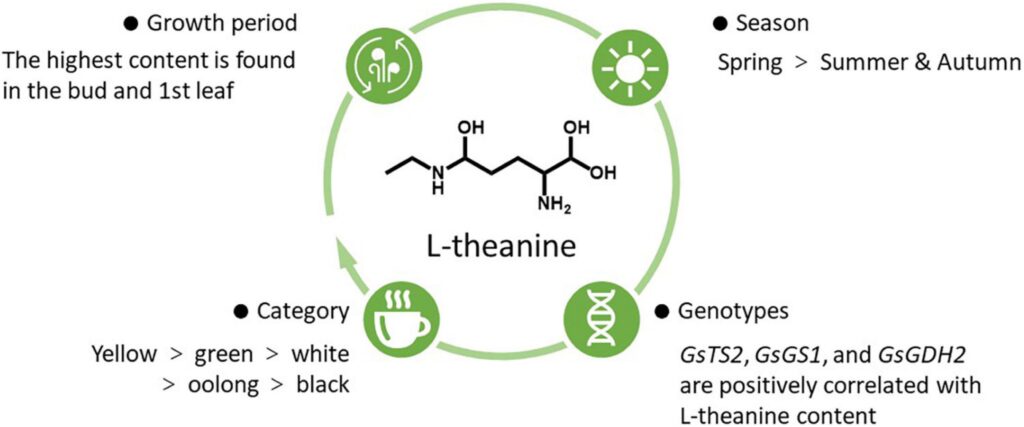
Not all teas contain equal amounts of teina. The amount varies depending on the type. From black tea to green tea, each has its unique benefits. Black tea is particularly rich in teina, while green tea contains less. White tea and oolong tea also have varying levels of teina.
Black Tea: A Rich Source of Teina
Black tea is one of the richest sources of teina. The fermentation process involved in making black tea increases its concentration of this stimulant compound. This can lead to a stronger effect, especially when consumed in large quantities. However, it’s essential to note that excessive consumption of black tea can lead to negative effects.
Green Tea: A Lower-Teina Option
On the other hand, green tea contains less teina than black tea. The steaming process involved in making green tea reduces its concentration of this stimulant compound. Green tea is still a great option for those looking for a lower-teina alternative.
Beware of Hidden Teina in Other Products
Be mindful of products that may contain high levels of teina, such as some energy drinks or medications. You don’t want to accidentally consume too much teina! Always check the label and follow recommended dosages to avoid any adverse effects.
Conclusion
In conclusion, teina is a fascinating substance with unique effects on the body. By understanding its molecule and benefits, we can harness its power to improve our lives. Remember to enjoy it in moderation and choose the right tea variety for your needs.
Frequently Asked Questions (FAQs)
- What are the effects of excessive teina consumption?
Excessive teina consumption can lead to dependence, anxiety, insomnia, stomach issues, and osteoporosis. It’s essential to consume teina in moderation to avoid these negative effects.
- How does teina compare to caffeine in terms of its effects?
Teina and caffeine share similarities in terms of their stimulating properties, but excessive consumption can have negative effects. Teina is generally considered a safer alternative to caffeine due to its lower potential for addiction.
- Can teina help with weight loss?
Yes, teina can aid in weight loss by increasing metabolism and improving digestion. However, it’s crucial to maintain a balanced diet and regular exercise routine when using teina as an aid.
- What is the best type of tea for high teina content?
Black tea is particularly rich in teina, while green tea contains less. White tea and oolong tea also have varying levels of teina.
- How much teina should I consume daily?
Moderation is key; excessive consumption can lead to negative effects. A typical serving size for teina ranges from 20-40 mg per day.
- Can teina be used as a substitute for caffeine?
No, while teina has similar effects, it’s not a direct substitute for caffeine. Teina has its unique benefits and may interact with certain medications or exacerbate underlying health conditions.
- Are there any health risks associated with consuming teina?
Yes, excessive consumption can lead to dependence and osteoporosis. It’s essential to be aware of these potential risks and consume teina responsibly.
- How can I avoid accidental overconsumption of teina?
Be mindful of products that may contain high levels of teina, such as energy drinks or medications. Always check the label and follow recommended dosages to avoid any adverse effects.
Sources:
- “Teina” by Marta Abbà (February 5, 2017)
- Various scientific studies and research papers on teina’s effects and molecule.
- National Institute of Health (NIH) – Theobromine (theobromin).
- Journal of Pharmacy and Pharmacology – Effects of theobromine on cardiovascular function.


