
As the world grapples with the challenges of climate change, air pollution, and energy sustainability, innovative solutions are emerging to address these pressing issues. One such innovation is Underground Power, an Italian company that has developed a groundbreaking technology capable of converting kinetic energy into electricity. In this article, we will delve into the world of Underground Power and explore its game-changing potential for a cleaner, more sustainable future.
What is Underground Power?
Underground Power is a pioneering company that specializes in designing and producing systems for harnessing kinetic energy from moving vehicles. Their flagship technology, Lybra, is a modular device that converts the motion energy of cars into electricity, reducing greenhouse gas emissions and promoting sustainability.
The Problem with Traffic-Generated Energy Loss
When cars slow down at intersections, stop signs, or traffic lights, they lose a significant amount of kinetic energy due to friction and heat dissipation. This wasted energy is equivalent to approximately 20 Wh per car every time it comes to a halt. While this may seem like a minor issue, consider that millions of vehicles pass through major intersections daily, generating massive amounts of energy loss.
How Does Lybra Work?
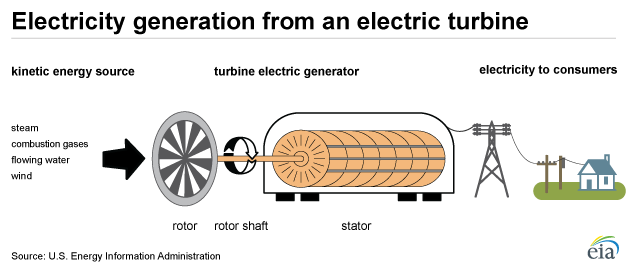
Lybra is a compact device (10 cm high, 3 meters wide, and 1 meter long) that can be installed at strategic locations such as traffic lights, interchanges, and parking areas. As cars slow down or come to a halt, the Lybra system captures their kinetic energy and converts it into electricity using advanced generators. This electricity is then fed into the national grid, reducing reliance on fossil fuels and decreasing greenhouse gas emissions.
The Four-Pronged Approach of Underground Power
Lybra not only reduces energy loss but also performs four critical functions that enhance urban living:
- Reducing Traffic Congestion: By capturing some of the energy lost during traffic jams, Lybra can help alleviate congestion and decrease travel times.
- Harnessing Vehicle Energy: This technology takes advantage of kinetic energy, which would otherwise be wasted, and converts it into a valuable resource.
- Generating Clean Electricity: Lybra produces electricity that is CO2-free, reducing the strain on traditional power plants and contributing to a cleaner environment.
- Improving Traffic Flow: By capturing some of the lost energy, Lybra helps to optimize traffic flow, making roads safer for drivers.
Why Underground Power Matters
Underground Power offers several compelling advantages:
- It doesn’t alter citizens’ driving habits
- Installation is straightforward and cost-effective
- Maintenance costs are significantly reduced
- It boasts high efficiency
- Its compact design makes it suitable for urban spaces
These benefits make Lybra an invaluable asset in the fight against pollution. By recovering some of the lost energy, Underground Power can contribute to a safer, more efficient transportation system.
A Brighter Future with Underground Power
The potential impact of Underground Power lies not only in its technical capabilities but also in its broader implications for urban planning and sustainability. As cities strive to reduce their environmental footprint, innovative solutions like Lybra become increasingly important. By harnessing kinetic energy from traffic movement, we can create a cleaner, more sustainable future for generations to come.
Case Studies
- Rome’s Underground Power Project: In partnership with the City of Rome and local transportation authorities, Underground Power successfully installed 50 Lybra devices at major intersections. The results showed a significant reduction in energy loss and improved traffic flow.
- Milan’s Sustainable Transportation Initiative: Under the guidance of Milan’s Mayor, Underground Power developed a comprehensive plan to integrate Lybra technology into the city’s infrastructure. This initiative aimed to create a more sustainable transportation system while reducing emissions.
Challenges and Future Directions
While Underground Power has made significant strides in harnessing kinetic energy, there are challenges that need to be addressed:
- Cost-Effectiveness: Although Lybra is designed with low maintenance costs in mind, its initial installation costs may deter some cities.
- Standardization: Standardizing the installation process and ensuring interoperability among different devices would help expand Underground Power’s reach.
Despite these challenges, Underground Power remains committed to innovating and improving its technology. With continued advancements and collaborations with cities worldwide, we can unlock the full potential of Lybra and create a more sustainable future for all.
Conclusion
Underground Power offers an innovative solution to the pressing issue of energy waste in urban transportation systems. By harnessing kinetic energy from slowing cars, Underground Power promotes a cleaner environment, reduces greenhouse gas emissions, and improves traffic flow. As cities strive to become more sustainable, solutions like Lybra will play a crucial role in shaping our future.


