
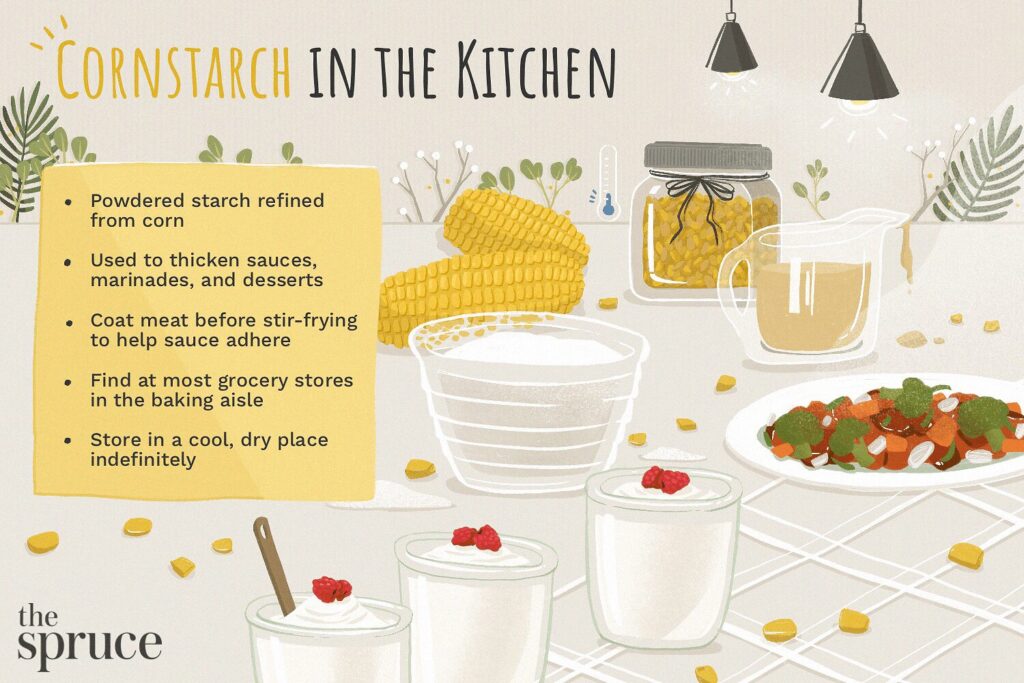
As we navigate the world of natural remedies and home hacks, one ingredient stands out for its versatility and benefits: cornstarch. Also known as maize starch or maizena, this seemingly ordinary substance has a multitude of uses that go beyond the kitchen. In this article, we’ll delve into the wonderful world of cornstarch, exploring its history, properties, and applications in various fields.
What is Cornstarch?
Cornstarch is an amorphous solid derived from corn (maize). It’s produced by extracting starch from the endosperm of the corn kernel. The production process involves fermenting the corn for 30-48 hours to separate the germe from the endosperm, which are then milled and filtered to produce a fine powder.
The Maizena Dilemma
It’s worth noting that maizena is not exactly the same as cornstarch. While they share similar properties, maizena is often used interchangeably with cornstarch in culinary contexts. However, it’s essential to distinguish between the two, as they may have different effects on the human body.
Culinary Uses of Cornstarch
In cooking and baking, cornstarch serves as a versatile thickening agent. It can be used to add texture to soups, sauces, and desserts, making them more palatable and visually appealing. Some common uses include:
- Thickening liquids: Cornstarch is an excellent thickener for liquids, creating a smooth and consistent consistency.
- Adding texture: Cornstarch can enhance the texture of baked goods, such as cakes, cookies, and pastries.
- Replacing flour: In some recipes, cornstarch can be used as a substitute for flour, reducing gluten content and making it more suitable for those with gluten intolerance.
Some Popular Culinary Uses of Cornstarch
Here are some popular ways to use cornstarch in cooking and baking:
- Homemade pasta: Mix 2 tablespoons of cornstarch with 1 tablespoon of water to create a thin paste, which can be used as a substitute for flour when making homemade pasta.
- Custard filling: Use cornstarch as a thickening agent in custard fillings, such as crème brûlée or flan.
- Ice cream base: Mix cornstarch with sugar and eggs to create a smooth and creamy ice cream base.
- Mashed potatoes: Add cornstarch to mashed potatoes for an extra boost of texture and consistency.
Cosmetic Uses of Cornstarch
Beyond its culinary applications, cornstarch has a range of cosmetic uses. As an absorbent powder, it can help to:
- Soothe skin irritations: Cornstarch can calm irritated skin, reducing redness and inflammation.
- Control oil production: It can be used to control sebum production in acne-prone skin.
- Absorb moisture: Cornstarch is excellent at absorbing moisture from the skin, making it a great ingredient for dry or sensitive skin.
Preparing Homemade Beauty Products
To incorporate cornstarch into your beauty routine, you can try making homemade products like face masks and hair treatments. Here are some simple recipes to get you started:
- Face mask: Mix 2 tablespoons of cornstarch with 1 tablespoon of water to create a smooth paste. Apply for 10-15 minutes before rinsing.
- Hair treatment: Combine 1 cup of cornstarch with 1/2 cup of olive oil and 1/4 cup of apple cider vinegar. Apply as a pre-shampoo treatment or leave on for 30 minutes before shampooing.
Other Cosmetic Uses of Cornstarch
Here are some other ways to use cornstarch in your beauty routine:
- Makeup setting powder: Use cornstarch as a natural makeup setting powder, reducing the appearance of pores and oiliness.
- Soot-free face paint: Mix cornstarch with water to create a smooth paste, which can be used as a natural alternative to traditional face paints.
- Dry shampoo: Sprinkle cornstarch on your hair to absorb excess oil and extend the time between washings.
The Power of Cornstarch in Medicine
Beyond its cosmetic applications, cornstarch has been used in medicine to:
- Treat foot fungus: Applying cornstarch powder to the affected area can help control fungal growth.
- Reduce itching: Cornstarch can be used as an anti-itch agent for conditions like eczema and acne.
- Absorb odors: It’s often used in deodorants and antiperspirants to absorb moisture and reduce body odor.
The Industrial Applications of Cornstarch
Cornstarch has a range of industrial applications, including:
- Biodegradable plastics: Cornstarch is used to produce biodegradable plastics, reducing the environmental impact of traditional plastics.
- Cosmetics and deodorants: Cornstarch is a common ingredient in many cosmetics and deodorant products.
- Medical devices: It’s used as an anti-adherent agent in medical devices like preservatives, guants monouso, diaframmi…
Conclusion
Cornstarch is more than just a culinary staple; it’s a versatile ingredient with a multitude of uses. From its cosmetic applications to industrial uses, cornstarch has earned a place in our homes and daily lives. Whether you’re looking for natural remedies or simply want to explore new ways to use this amazing ingredient, we hope this article has inspired you to unlock the magic of cornstarch.
Frequently Asked Questions
- What is the difference between cornstarch and maizena?
Cornstarch and maizena are often used interchangeably, but they’re not exactly the same. Maizena refers specifically to a type of cornstarch that’s been processed to create a finer powder. - Can I use cornstarch as a substitute for flour?
Yes, cornstarch can be used as a substitute for flour in some recipes, especially when looking to reduce gluten content. - Is cornstarch suitable for people with sensitive skin or allergies?
While cornstarch is generally considered safe, it’s essential to note that some individuals may experience allergic reactions or sensitivities. - How can I use cornstarch as a natural remedy?
Cornstarch has been used in various ways as a natural remedy, including for foot fungus, itching, and absorbing odors. - Can I grow my own cornstarch at home?
No, cornstarch is typically produced from corn kernels through industrial processes. You can’t grow your own cornstarch at home, but you can use other natural ingredients to create similar products.
Tips for Using Cornstarch
Here are some tips for using cornstarch effectively:
- Mix it with water: Mixing cornstarch with water creates a smooth paste that can be used as a thickening agent or in beauty treatments.
- Use it sparingly: Cornstarch is highly absorbent, so use it sparingly to avoid drying out the skin or hair.
- Store it properly: Store cornstarch in an airtight container to keep it fresh and prevent moisture from entering.
- Avoid ingesting: While cornstarch is generally considered safe for external use, avoid ingesting large amounts as it can cause digestive issues.
By incorporating cornstarch into your daily routine, you’ll discover its numerous benefits and uses. Whether you’re looking for natural remedies or simply want to explore new ways to use this amazing ingredient, we hope this article has inspired you to unlock the magic of cornstarch.


