
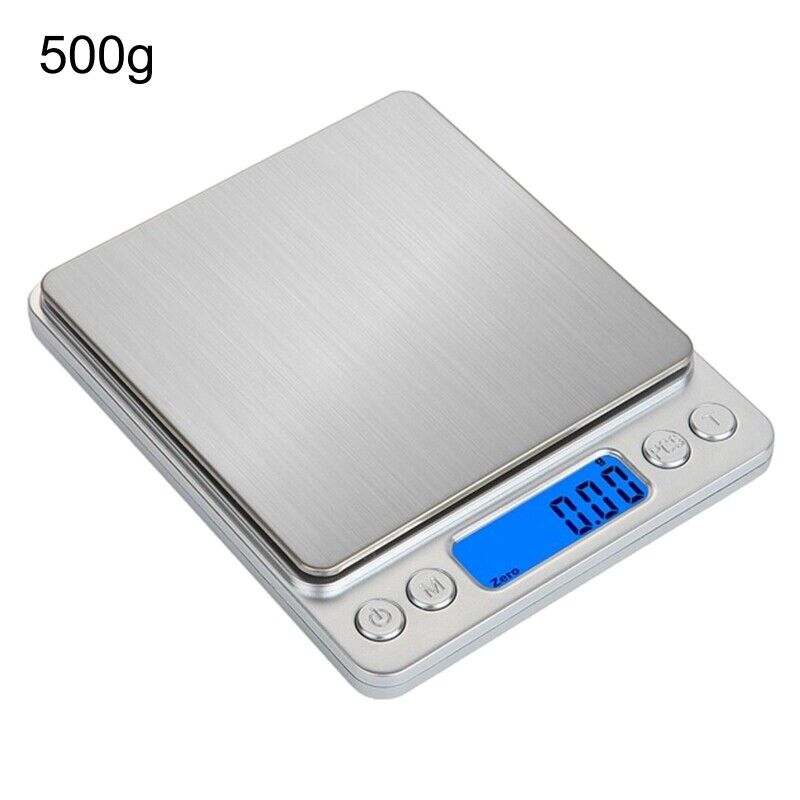
As a home cook, it’s easy to get caught up in the excitement of trying new recipes and experimenting with different flavors. However, when it comes to measuring ingredients, many of us rely on guesswork or trial-and-error methods that can lead to subpar results. That’s where a digital food scale comes in – a game-changing kitchen tool that helps you accurately measure ingredients, ensuring your dishes turn out perfectly every time.
The Evolution of Food Scales
Historically, food scales were mechanical devices that relied on a moving pointer to display weight readings. While they may have been sufficient for simple tasks like measuring flour or sugar, they often lacked accuracy and precision – especially when dealing with smaller quantities or more delicate ingredients.
Today, digital food scales have revolutionized the way we cook, offering unparalleled accuracy, ease of use, and convenience. With a few simple presses of a button, you can get an instant weight reading that’s within 1 gram of the actual value.
Characteristics of a Great Digital Food Scale
So what makes a great digital food scale? Here are some key characteristics to look for:
- Sensitivity: A good digital food scale should be able to accurately measure small quantities with ease, making it perfect for recipes that require precise measurements.
- Precision: Look for a scale that can display weight readings within 1 gram of the actual value – this ensures accuracy and consistency in your cooking.
- Ease of use: A user-friendly interface is essential for making the most out of your digital food scale. Look for features like automatic unit conversion, memory recall, and adjustable zero-point settings.
- Timer and Thermometer Functions: Many modern digital food scales come equipped with additional features like timers and thermometers, which can help you monitor cooking temperatures and times.
Unit Conversion: A Common Source of Confusion
One common source of confusion when shopping for a digital food scale is the range of units available. From grams to ounces, pounds to kilograms, it’s easy to get confused about what’s compatible with your kitchen. Here are some tips for choosing the right unit conversion:
- Check compatibility: Before making a purchase, ensure that the digital food scale you choose supports the units of measurement you frequently use in your cooking.
- Adjustable zero-point settings: Look for a scale that allows you to set an adjustable zero-point setting – this feature enables you to account for any errors or inconsistencies in your weight measurements.
What Do Reviewers Say About Digital Food Scales?
When it comes to digital food scales, customer reviews can provide valuable insights into the product’s performance and reliability. Here are some key findings from recent reviews:
- High accuracy: Many reviewers praise the accuracy of their digital food scale, citing that it consistently produces weight readings within 1 gram of the actual value.
- Ease of use: Reviewers also rave about the ease of use, praising features like automatic unit conversion and memory recall.
What to Look for in a Digital Food Scale
When shopping for a digital food scale, here are some key factors to consider:
- Sensitivity: Look for a scale that can accurately measure small quantities with ease.
- Precision: Choose a scale that displays weight readings within 1 gram of the actual value.
- Ease of use: Opt for a scale with features like automatic unit conversion, memory recall, and adjustable zero-point settings.
Conclusion
A digital food scale is an essential tool for any home cook or professional chef. With its unparalleled accuracy, ease of use, and convenience, it’s easy to see why this kitchen companion has become a staple in many kitchens around the world. By considering factors like sensitivity, precision, and ease of use, you can find the perfect digital food scale for your cooking needs.
Frequently Asked Questions
Q: What is the most accurate type of digital food scale available?
A: The most accurate type of digital food scale available typically has a minimum display resolution of 0.1 grams.
Q: Can I use my digital food scale to measure ingredients in different units of measurement?
A: Yes, many digital food scales come equipped with adjustable zero-point settings and unit conversion features, making it easy to switch between different units of measurement.
Q: How often should I calibrate my digital food scale?
A: It’s recommended to calibrate your digital food scale every 3-6 months to ensure accuracy and consistency in your weight measurements.
Q: Can I use my digital food scale to measure small quantities, such as spices or herbs?
A: Yes, many digital food scales are sensitive enough to accurately measure small quantities with ease.
Q: What is the typical lifespan of a digital food scale?
A: The typical lifespan of a digital food scale can vary depending on usage and maintenance, but most scales can last for 5-10 years with proper care.
Choosing the Right Unit Conversion
When it comes to choosing the right unit conversion for your digital food scale, there are several options available. Here are some factors to consider:
- Grams: A popular choice among home cooks and professional chefs, grams provide a high level of precision and accuracy.
- Ounces: Ounces are also widely used in cooking, especially in the United States. However, they may not be as precise as grams due to variations in weight density.
- Pounds: Pounds are often used in commercial kitchens and large-scale food production. However, they may not be ideal for home cooks who require high levels of precision.
Tips for Calibrating Your Digital Food Scale
Calibrating your digital food scale is an important step to ensure accuracy and consistency in your weight measurements. Here are some tips to help you calibrate your scale:
- Use a standard weight: Use a standard weight, such as 100 grams or 1 pound, to calibrate your scale.
- Repeat multiple times: Repeat the calibration process multiple times to ensure that the readings are consistent and accurate.
- Adjust the zero-point setting: Adjust the zero-point setting on your scale according to your specific needs.
Using Your Digital Food Scale
Now that you have a digital food scale, it’s time to start using it in your cooking. Here are some tips for getting the most out of your scale:
- Measure ingredients accurately: Use your scale to measure ingredients with precision and accuracy.
- Follow recipes carefully: Follow recipes carefully to ensure that you’re using the right amounts of each ingredient.
- Experiment with new recipes: Don’t be afraid to try new recipes and experiment with different flavors and ingredients.
Conclusion
A digital food scale is a valuable tool for any home cook or professional chef. With its unparalleled accuracy, ease of use, and convenience, it’s easy to see why this kitchen companion has become a staple in many kitchens around the world. By considering factors like sensitivity, precision, and ease of use, you can find the perfect digital food scale for your cooking needs.
Frequently Asked Questions
Q: What is the most accurate type of digital food scale available?
A: The most accurate type of digital food scale available typically has a minimum display resolution of 0.1 grams.
Q: Can I use my digital food scale to measure ingredients in different units of measurement?
A: Yes, many digital food scales come equipped with adjustable zero-point settings and unit conversion features, making it easy to switch between different units of measurement.
Q: How often should I calibrate my digital food scale?
A: It’s recommended to calibrate your digital food scale every 3-6 months to ensure accuracy and consistency in your weight measurements.
Q: Can I use my digital food scale to measure small quantities, such as spices or herbs?
A: Yes, many digital food scales are sensitive enough to accurately measure small quantities with ease.
Q: What is the typical lifespan of a digital food scale?
A: The typical lifespan of a digital food scale can vary depending on usage and maintenance, but most scales can last for 5-10 years with proper care.


