
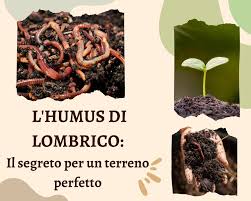
Are you ready to discover the ultimate natural fertilizer? Look no further than worm castings, also known as humus di lombrico. This miraculous substance has been hailed as the best fertilizer in the world for its incredible benefits and unique production process.
What is Worm Castings?
Worm castings are a nutrient-rich soil amendment produced by worms as they break down organic matter. These tiny creatures, often referred to as “nature’s recycling machines,” work tirelessly to transform waste into a valuable resource that nourishes plants. The resulting humus di lombrico is a soft, odorless, and rich in essential nutrients.
The Science Behind Worm Castings
The production of worm castings involves a complex process where worms digest organic matter, including animal and vegetable residues. This digestive process breaks down the waste into a fine powder that is high in nitrogen, phosphorus, potassium, and other micronutrients. The worms’ digestive system also releases enzymes that help to break down complex compounds, making these nutrients more accessible to plants.
The Benefits of Worm Castings
Worm castings are a natural, organic fertilizer that offers numerous benefits for gardens and crops:
- Improved soil structure: Worm castings can improve soil drainage, aeration, and water retention, creating a more conducive environment for plant growth.
- Increased fertility: The nutrient-rich humus di lombrico promotes healthy microbial activity, leading to increased crop yields and improved plant health.
- Reduced pests and diseases: Worm castings have antifungal and antibacterial properties that can help reduce the occurrence of pests and diseases in plants.
The Best Type of Worm for Castings
Among the many types of worms, the Eisenia fetida (also known as red wiggler) is considered one of the best for producing high-quality humus di lombrico. These worms are particularly efficient at breaking down organic matter and can thrive in a wide range of environments.
Using Worm Castings in Your Garden
To incorporate worm castings into your garden, follow these simple steps:
- Acquire worms: Purchase Eisenia fetida worms from reputable suppliers or create your own worm farm using vermiculite and organic matter.
- Feed the worms: Provide a balanced diet of composted materials, such as fruit and vegetable scraps, to sustain the worm population.
- Harvest humus di lombrico: After 6-12 months, harvest the worm castings from the worm farm or purchase them from suppliers.
Worm Castings for Small-Scale Farming
While worm castings can be used on small-scale farms, they are particularly beneficial for:
- Home gardeners: Worm castings can improve soil fertility and structure without breaking the bank.
- Small-scale farmers: The high nutrient content of humus di lombrico makes it an excellent natural fertilizer for crops.
Optimizing Worm Castings
To maximize the benefits of worm castings, consider these tips:
- Maintain optimal pH levels: Worms thrive in a slightly acidic environment (pH 6-7), which can help improve humus di lombrico quality.
- Monitor worm populations: Regularly check worm numbers to ensure they remain healthy and productive.
- Use worm castings at the right time: Apply worm castings during planting or when crops are actively growing for maximum benefits.
The Future of Worm Castings
As more gardeners and farmers become aware of the incredible benefits of worm castings, their use is likely to expand:
- Worm casting farms: Large-scale worm farming operations could emerge, providing a sustainable source of humus di lombrico.
- Sustainable agriculture practices: Worm castings are poised to play a key role in shaping more environmentally friendly agricultural practices.
Conclusion
Worm castings, also known as humus di lombrico, are a unique and effective natural fertilizer that can improve soil fertility and structure. By understanding the science behind these miraculous substances, gardeners and farmers can unlock their full potential to create healthy, thriving ecosystems. Whether you’re a seasoned farmer or an enthusiastic gardener, incorporating worm castings into your operations is sure to yield impressive results.
Additional Resources
If you want to learn more about worm castings and how they can benefit your gardening endeavors, consider the following resources:
- Online forums and communities: Join online forums and communities dedicated to worm composting and sustainable agriculture for valuable insights and advice.
- Books and guides: Consult books and guides on worm composting and natural fertilizers for in-depth information on best practices and techniques.
- Local workshops and seminars: Attend local workshops and seminars on worm composting, organic gardening, or sustainable agriculture to learn from experts and network with fellow enthusiasts.
By expanding your knowledge of worm castings and their applications, you can unlock the full potential of these miraculous substances and create a more sustainable and thriving agricultural landscape.


