
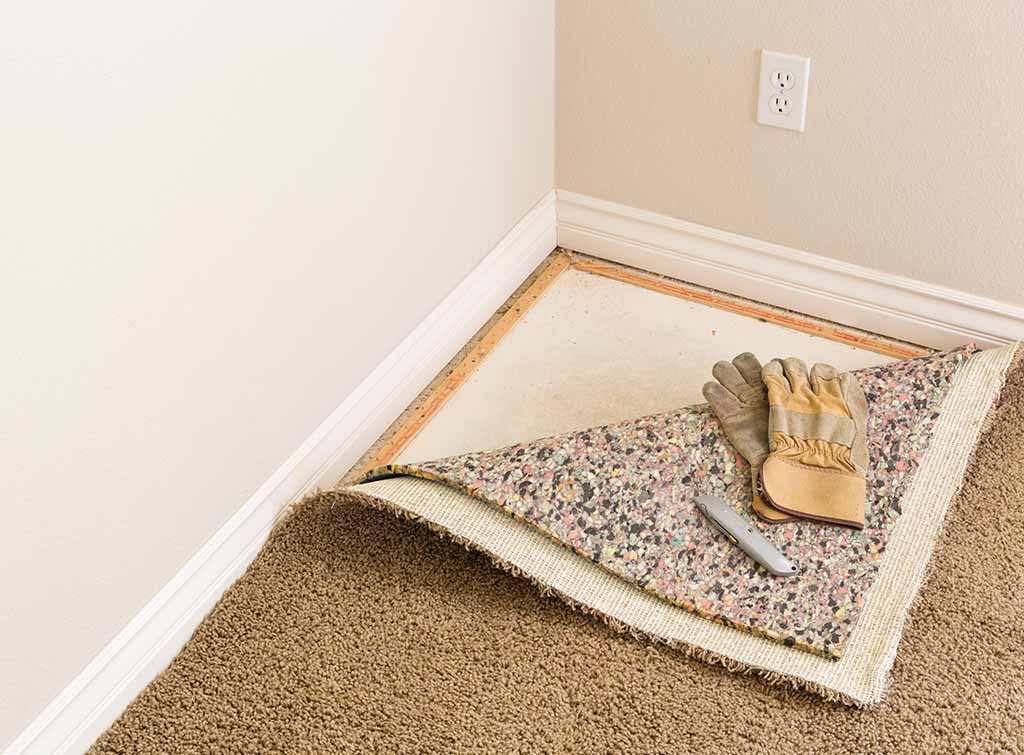
Installing carpeting is a straightforward DIY project that can completely transform the look and feel of your home. With the right tools and some basic knowledge, you can achieve professional-looking results without breaking the bank.
Choosing the Right Type of Carpet
There are three main types of carpeting available in the market: bouclé, velour, and agugliati. Each type has its unique characteristics, advantages, and disadvantages.
- Bouclé: This type of carpet features a woven lattice or jute backing with soft, curly fibers that create a luxurious texture.
- Velour: Velour carpeting has a smooth, plush pile on top of a lattice or juta backing. It’s ideal for bedrooms and living rooms where you want a soft, comfortable surface.
- Agugliati: This type of carpet is the most affordable and practical option. It’s made from compacted fibers with no backing material, making it perfect for high-traffic areas like hallways, stairs, and playrooms.
Preparation is Key
Before you start installing your new carpeting, make sure to:
- Clean the floor thoroughly to remove any dirt, dust, or old adhesives.
- Check for unevenness or dips in the floor and level them out using a self-leveling compound.
- If you have a hardwood or tile floor, apply a suitable underlayment material to provide cushioning and soundproofing.
Measuring and Cutting the Carpet
To ensure a perfect fit, measure your room carefully and add 10-15% to your calculations to account for waste. Use a high-quality carpet cutter or hire a professional to do it for you.
Step-by-Step Installation Guide
Here’s a step-by-step guide to help you install your new carpeting:
- Prepare the Room: Move furniture away from walls, cover the floor with old sheets or tarps, and vacuum thoroughly.
- Unroll and Stretch the Carpet: Unfold the carpet and use a knee kicker or stretcher to ensure it’s tightly stretched over the entire floor.
- Secure the Carpet: Use double-sided tape or carpet pins to secure the carpet in place, working from one end of the room to the other.
- Cut the Excess: Use a utility knife or scissors to cut the excess carpet at the edges, leaving about 1/8 inch overlap.
Tips and Tricks
- To achieve a professional finish, use a carpet stretcher to ensure even tension throughout the floor.
- For high-traffic areas, consider using a high-pile or plush carpeting to provide extra cushioning and durability.
- If you’re installing carpet on stairs, make sure to use a sturdy stair carpet with anti-slip backing to prevent accidents.
Common Mistakes to Avoid
- Incorrect Measurements: Measure your room carefully to avoid wasting material and having to cut it down later.
- Insufficient Stretcher Use: Make sure to use the stretcher effectively to ensure even tension throughout the floor.
- Inadequate Security: Secure the carpet in place using double-sided tape or carpet pins, but make sure they are not visible.
DIY vs. Professional Installation
While it’s possible to install carpeting on your own, there are pros and cons to consider:
- Cost Savings: DIY installation can save you money compared to hiring a professional.
- Time Consumption: Installing carpeting requires time and effort, which may be better spent on other projects or activities.
Conclusion
Installing carpeting is a rewarding DIY project that can transform your home’s look and feel. By choosing the right type of carpet, preparing the room correctly, measuring accurately, and following these step-by-step installation guide, you can achieve professional-looking results without breaking the bank.
FAQs
- What is the best type of carpeting for high-traffic areas?
- High-pile or plush carpeting is ideal for high-traffic areas due to its extra cushioning and durability.
- How do I measure my room correctly for carpet installation?
- Measure your room carefully, adding 10-15% to your calculations to account for waste.
- What tools do I need for carpet installation?
- You’ll need a knee kicker or stretcher, utility knife or scissors, double-sided tape or carpet pins, and a measuring tape.
- Can I install carpet on my own without professional help?
- Yes, but it’s recommended to have some experience with DIY projects and follow the installation guide carefully.


