
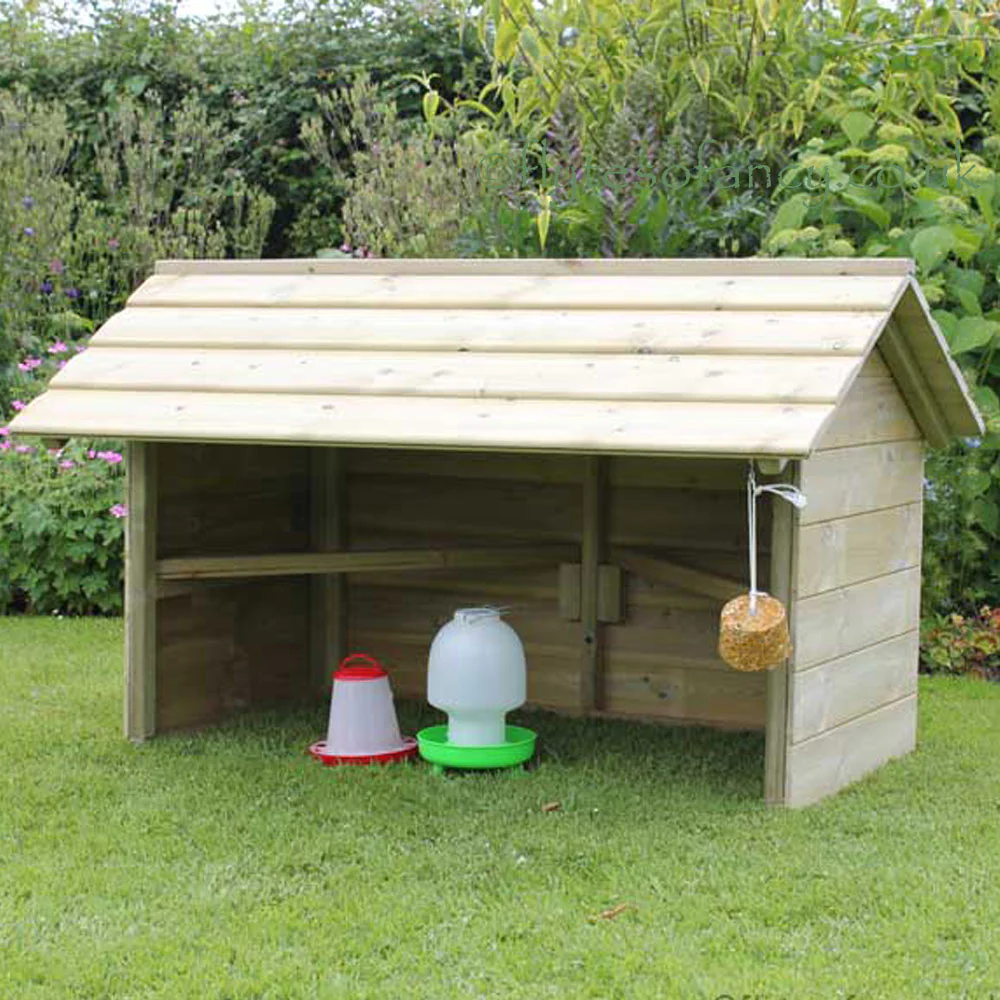
Building a coop for chickens and ducks can be a fun and rewarding project, but it requires careful consideration of several factors to ensure the health and happiness of your feathered friends.
In this comprehensive guide, we’ll explore the world of chicken and duck coops, discussing the benefits and considerations of each option. We’ll delve into the costs, features, and maintenance requirements of different models, helping you make an informed decision for your poultry.
Understanding Coop Requirements
Before purchasing a coop or building one yourself, it’s essential to consider the needs of your chickens or ducks. A well-designed coop should provide:
- A dry and safe place to roost: Chickens and ducks need a comfortable and secure spot to rest at night.
- Adequate ventilation and lighting: Good airflow and natural light are crucial for maintaining a healthy environment.
- Protection from predators and harsh weather conditions: Strong walls, secure doors, and waterproofing can help keep your birds safe from predators and the elements.
- Space for movement and exercise: Chickens and ducks need room to move around comfortably, stretch their wings, and engage in natural behaviors.
A coop that meets these requirements will ensure the health and happiness of your chickens or ducks.
Types of Coops
There are two primary types of coops: pre-fabricated and DIY. Pre-fabricated coops are available in various sizes, materials, and prices. Some popular brands include Faza, Terenziani, Ferranti, and Tabec.
DIY coops, on the other hand, offer flexibility and cost-effectiveness. Using recycled materials, such as old pallets or wooden crates, can create a unique and eco-friendly coop.
Pre-Fabricated Coop Options
Faza and Terenziani are well-known brands offering high-quality pre-fabricated coops. These coops come with features like:
- Ventilation systems: Proper ventilation is crucial for maintaining a healthy environment.
- Insulation for temperature regulation: Insulation helps regulate temperature and maintain a comfortable environment for your birds.
- Easy cleaning access: A well-designed coop should provide easy access for cleaning and maintenance.
While these coops may seem expensive, they offer a convenient and hassle-free solution.
DIY Coop Ideas
For those on a budget or looking for a unique project, DIY coops are an excellent option. Using materials like:
- Old pallets
- Wooden crates
- Recycled plastic
can create a functional and eco-friendly coop.
Some popular DIY coop designs include:
- A wooden crate coop with a metal roof: This design provides excellent ventilation and protection from the elements.
- A pallet coop with a corrugated iron door: This design offers flexibility in terms of size and placement.
- A recycled plastic coop with solar panels: This design is eco-friendly and can help reduce energy costs.
These designs can be customized to suit your specific needs and preferences.
Key Considerations
When building or purchasing a coop, consider the following factors:
- Space: Ensure the coop is large enough for your birds to move around comfortably.
- Ventilation: Proper ventilation is crucial for maintaining a healthy environment.
- Predator protection: Strong walls and secure doors will protect your birds from predators.
- Maintenance: Regular cleaning and maintenance are essential for keeping your coop in good condition.
By considering these factors, you can create or purchase a coop that meets the needs of your chickens or ducks.
Conclusion
Building a coop for chickens and ducks requires careful consideration of the bird’s needs and the coop’s features. Whether you choose a pre-fabricated or DIY option, ensure it meets the requirements outlined above. With the right coop, you can provide a happy and healthy environment for your feathered friends.
Frequently Asked Questions
- What is the ideal size of a chicken coop?
- The ideal size of a chicken coop depends on the number of birds you plan to keep. A general rule of thumb is to provide at least 2-4 square feet per bird.
- How often should I clean my coop?
- Cleaning your coop regularly is crucial for maintaining a healthy environment. Aim to clean the coop every week, removing soiled bedding and disinfecting all surfaces.
- What type of insulation is best for my chicken coop?
- Insulation helps regulate temperature and maintain a comfortable environment for your birds. Consider using materials like straw, hay, or foam board insulation.
- How can I protect my chickens from predators?
- Strong walls and secure doors are essential for protecting your chickens from predators. Consider adding features like netting or hardware cloth to the coop’s exterior.
- What is the best way to keep my chickens dry in rainy weather?
- Providing a covered run or using tarps to cover the top of the coop can help keep your chickens dry during rainy weather.
- How often should I feed my chickens?
- Chickens require a balanced diet that includes grains, proteins, and calcium. Feed your chickens according to their age, size, and activity level.
- What are some common health issues in chickens?
- Common health issues in chickens include respiratory problems, parasites, and bacterial infections. Regular veterinary check-ups can help detect these issues early on.
- Can I keep ducks with my chickens?
- While it’s possible to keep ducks with chickens, they have different needs and requirements. Ensure you provide adequate space, water, and nutrition for both species.
By answering these questions and considering the factors outlined in this guide, you can create a happy and healthy environment for your feathered friends.


