
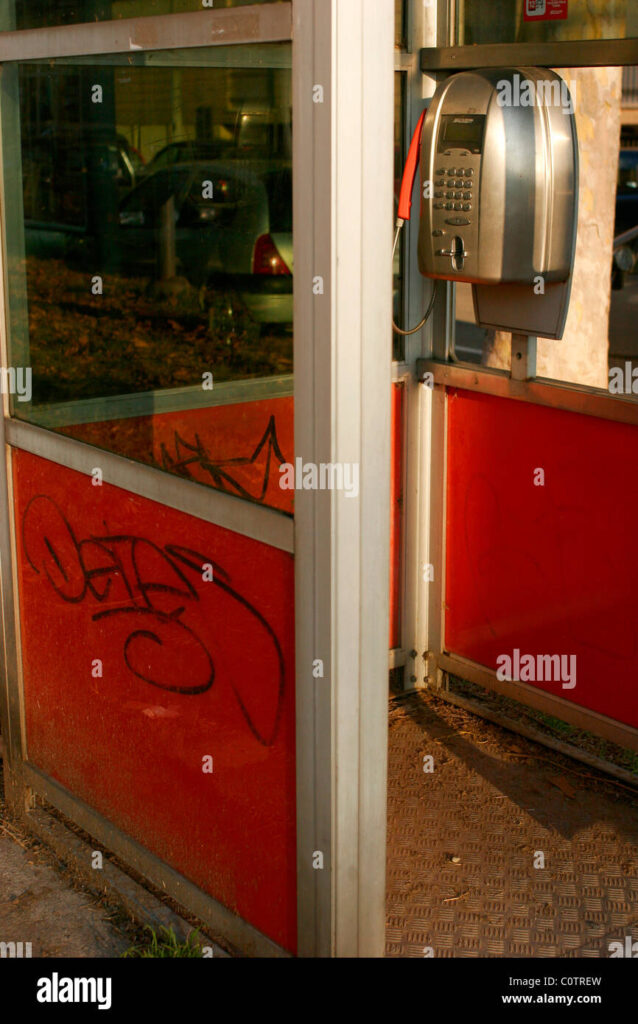
As the world becomes increasingly digital, one might think that traditional public telephones are a thing of the past. However, as we will see, the future of these iconic devices is actually quite bright.
In recent years, there has been a growing interest in revamping and modernizing traditional public telephones, making them more efficient, sustainable, and user-friendly. The city of Turin has taken a significant step in this direction by introducing a revolutionary intelligent cabin telephone. This innovative device combines the benefits of old-school phones with cutting-edge technology, setting a new standard for urban infrastructure.
A New Era for Public Telephones
For over 60 years, public telephones have been an integral part of our urban landscape. However, with the rapid advancement of technology, it’s time to evolve and make them more efficient, sustainable, and user-friendly. The city of Turin has taken a significant step in this direction by introducing a revolutionary intelligent cabin telephone.
The Brainchild of Telecom Italia
In collaboration with Ubi Connected, Telecom Italia developed this innovative device, which was first installed in Corso Duca degli Abruzzi, near the Politecnico di Torino. This strategic location is also part of the city’s Smart Cities project, aiming to promote sustainability as a key unit of measurement for future decisions.
How Does it Work?
This intelligent cabin phone operates on both coins and credit cards, allowing users to make calls while enjoying a range of additional features. The display touch screen provides access to public services, tourism information, mobility options, commerce, leisure activities like social networking, and online services specifically designed for Politecnico students.
Advanced Technologies Integrated
Some notable technologies integrated into this phone include:
- Video surveillance: A camera that can be linked to the police control room, monitoring the surroundings in real-time.
- Air quality monitor: An electronic device tracking air quality levels in real-time.
- News updates: A display showing the latest news updates, keeping passersby informed about current events.
- Local commercial offers: Users can access nearby business promotions with just one click, thanks to a partnership with PromoQui.
Eco-Friendly Design
This innovative phone is not only cutting-edge but also eco-friendly. The installation includes solar panels that contribute to the power needs of the post and “colonnine” – designated areas for electric vehicle battery charging. This approach promotes sustainability in urban planning, ensuring a strong connection between local needs and digital connectivity.
Smart Cities Ahead
The successful launch of this intelligent cabin phone is just the beginning. Other public objects like street hydrants, benches, waste bins, building facades, and kiosks are expected to become integral parts of smart cities, embodying technology, design, and eco-friendliness in harmony.
As we move forward into a more digital future, it’s heartening to see innovative solutions that prioritize both sustainability and user experience. This intelligent cabin phone represents an exciting step towards creating Smart Cities that cater to the needs of both residents and visitors alike.
Frequently Asked Questions
- Will all public telephones be replaced?
- No; many will continue in use, but this innovative phone marks a significant shift towards smart technology.
- Can users access additional services using their mobile devices?
- Yes; there are plans to develop corresponding apps for smartphones.
- Is the cabin’s video surveillance system secure?
- Yes; it is linked directly to the police control room and monitored in real-time, ensuring privacy and security.
- Will this technology be available internationally?
- The next installation will be in Catania, with further plans for other locations across Italy.
- How can users recharge their electric vehicles at the new cabin?
- Users can do so via designated areas called “colonnine” that are powered by solar energy.
- Are there any plans to integrate more advanced features like facial recognition or payment systems?
- There are ongoing discussions about incorporating such technologies in future updates.
- Is the cabin’s design aesthetically pleasing?
- The designers aimed for a modern, user-friendly appearance that blends seamlessly into urban landscapes.
- Will this technology be available to businesses and organizations as well?
- Yes; there are plans to offer similar solutions for commercial use in the future.
As we continue on our journey towards more sustainable and connected cities, innovative technologies like these intelligent cabins will play a vital role in shaping the urban landscape of the future. By embracing the latest advancements in technology and design, we can create a brighter, more efficient, and more environmentally friendly urban experience for all.
The Potential of Smart Cities
Smart cities are designed to provide a better quality of life for residents, while also promoting sustainable development and reducing costs. Some key features of smart cities include:
- Energy Efficiency: Smart cities use advanced technologies to optimize energy consumption and reduce waste.
- Water Conservation: Smart cities implement water-saving measures and monitor usage to minimize waste.
- Transportation Systems: Smart cities design efficient transportation systems that promote public transport, cycling, and walking.
- Public Spaces: Smart cities prioritize public spaces, creating vibrant areas for recreation, socialization, and community engagement.
Challenges and Opportunities
While smart cities offer many benefits, there are also challenges to be addressed. Some of the key concerns include:
- Digital Divide: The unequal distribution of digital access can exacerbate existing inequalities.
- Data Protection: Smart cities generate vast amounts of data, which must be protected from misuse or unauthorized access.
- Sustainability: Smart cities must balance technological advancements with environmental considerations.
Despite these challenges, the potential for smart cities is vast. By working together to address these issues, we can create a more sustainable, equitable, and connected urban future for all.
Conclusion
The introduction of the revolutionary intelligent cabin telephone in Turin represents an exciting step towards creating Smart Cities that cater to the needs of both residents and visitors alike. This innovative device combines cutting-edge technology with eco-friendly design, setting a new standard for urban infrastructure. As we move forward into a more digital future, it’s heartening to see innovative solutions that prioritize both sustainability and user experience. By embracing the latest advancements in technology and design, we can create a brighter, more efficient, and more environmentally friendly urban experience for all.


