
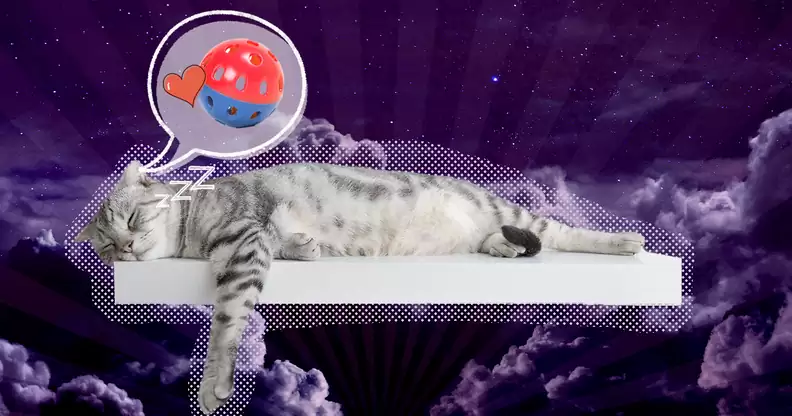
As cats sleep, do they dream? The answer is a resounding yes. In fact, research suggests that cats experience REM sleep, just like humans, and their brains are active during this stage, processing memories and emotions. But what exactly do cats dream about?
The Science Behind Feline Dreams
Studies have shown that cats spend around 16 hours a day sleeping, with the majority of that time spent in REM sleep. During this stage, cats’ brains show similar patterns to those of humans, indicating that they may be processing and consolidating memories. But how do we know what cats are dreaming about?
One way to approach this question is by observing their behavior during sleep. Cats often display rapid eye movements, twitching muscles, and changes in breathing patterns, which are all indicative of REM sleep. They also exhibit physical reactions such as pawing, stretching, and even vocalizations like meowing or purring.
The Joy of Feline Dreams
Cats seem to take their dreams very seriously, with some experts suggesting that they may be reflecting their natural hunting instincts. In this context, cats’ dreams could be a manifestation of their wild side, where they’re able to relive the thrill of the hunt in a safe and controlled environment.
But it’s not just about the thrill of the chase. Cats also seem to enjoy the sense of relaxation that comes with dreaming. They often appear content and serene while sleeping, as if they’re basking in the joy of their own private fantasies.
The Connection Between Humans and Cats
While cats’ dreams are unique to them, it’s clear that there’s a connection between humans and felines when it comes to sleep and relaxation. Just like us, cats need time to rest and recharge, and their brains work to process and consolidate memories during this stage.
Interestingly, some researchers have found that the presence of cats in human dreams can be a good omen. According to one study, seeing a cat in a dream may indicate the arrival of a new love interest or a fresh start in life.
The Symbolism of Cats in Dreams
Cats have long been revered for their symbolism and mystique, and it’s no surprise that they feature prominently in many people’s dreams. But what do cats represent in our subconscious?
Some experts believe that cats symbolize independence, self-reliance, and agility – qualities that we may be striving to develop in our waking lives. Others see them as symbols of intuition, creativity, and playfulness.
One thing is certain: cats have a way of tapping into our deep-seated desires and fears, often revealing hidden truths about ourselves and our place in the world.
The Importance of Feline Companionship
While we may never fully understand what goes on inside a cat’s dream world, it’s clear that they bring joy and comfort to our lives. Whether you’re a seasoned cat owner or just a feline fan, there’s no denying the special bond that exists between humans and cats.
As we explore the fascinating world of feline dreams, let’s remember the simple joys of sharing our lives with these magnificent creatures. For in their company, we find peace, relaxation, and a deeper connection to the natural world.
Frequently Asked Questions
Q: Do all cats dream equally?
A: While research suggests that cats experience REM sleep, not all cats may be equally likely to exhibit vivid dreams or behaviors during this stage. Factors such as age, health, and individual temperament can influence a cat’s ability to dream.
Q: Can I influence my cat’s dreams?
A: Unfortunately, there’s no scientific evidence to support the idea that we can directly influence our cat’s dreams. However, providing a comfortable and stimulating environment can certainly promote healthy sleep patterns and reduce stress in cats.
Q: What do cats dream about?
A: While we can’t know for certain, research suggests that cats may be processing memories and emotions during REM sleep, which could include hunting instincts, social interactions, or even simple pleasures like playing with toys. It’s also possible that cats are simply re-experiencing their daily experiences in a more vivid and dream-like state.
Q: Can I interpret my cat’s dreams?
A: While some experts believe that cats’ dreams can hold symbolic meaning, it’s essential to remember that every cat is unique, and their dreams may reflect individual personalities and experiences. It’s also important to consider the context of the dream and any potential triggers or influences on your cat’s behavior.
Q: Are cats the only animals that dream?
A: Research suggests that many animal species, including mammals and birds, experience REM sleep and may exhibit behaviors during this stage that resemble dreaming. However, the specifics of feline dreams remain a fascinating mystery.
Q: Can I share my cat’s dream with someone else?
A: While you may not be able to directly translate your cat’s dreams into human language, sharing your observations and insights can help others appreciate the beauty and complexity of feline cognition. You might find that describing your cat’s behavior or body language during sleep reveals interesting patterns or clues about their mental state.
Q: How often do cats really sleep?
A: Cats spend around 16 hours a day sleeping, with the majority of that time spent in REM sleep. This suggests that they’re not just napping – they’re actively processing information and consolidating memories during this stage.
The Science Behind Cat Sleep Cycles
Cats, like many other mammals, experience different stages of sleep throughout the night. The typical cat sleep cycle consists of three stages: non-rapid eye movement (NREM) sleep, rapid eye movement (REM) sleep, and slow-wave sleep (SWS).
- NREM sleep: This stage is characterized by slower brain waves and reduced muscle activity. Cats typically spend around 12 hours a day in this stage.
- REM sleep: During this stage, cats’ brains show increased activity, similar to that of humans. They may exhibit rapid eye movements, twitching muscles, and other behaviors indicative of dreaming.
- SWS: This stage is marked by slow brain waves and deep relaxation. Cats typically spend around 2-3 hours a day in this stage.
It’s worth noting that cats’ sleep patterns can vary depending on factors such as age, health, and lifestyle. For example, indoor cats may sleep more than outdoor cats due to reduced exposure to natural light and increased stress from living situations.
The Benefits of Cat Sleep
So why is cat sleep so important? Research suggests that cats need adequate rest to maintain their physical and mental health. During sleep, cats process and consolidate memories, regulate their emotions, and repair damaged tissues.
In addition, cat sleep can have benefits for human owners as well. Studies have shown that simply petting or observing a sleeping cat can reduce stress levels, lower blood pressure, and promote feelings of relaxation and calmness.
Feline Sleep Patterns and Behavior
Cats are notorious for their love of napping, but what do we really know about their sleep patterns? Research suggests that cats spend around 16 hours a day sleeping, with the majority of that time spent in REM sleep.
Some interesting facts about cat sleep patterns include:
- Cats typically take three to four naps per day, with each nap lasting anywhere from a few minutes to several hours.
- Indoor cats may sleep more than outdoor cats due to reduced exposure to natural light and increased stress from living situations.
- Kittens tend to sleep more than adult cats, likely due to their higher energy needs during development.
Common Cat Sleep Disorders
While cat sleep is essential for overall health, some cats may experience sleep disorders that can impact their quality of life. Common cat sleep disorders include:
- Insomnia: This condition is characterized by difficulty falling or staying asleep.
- Narcolepsy: A neurological disorder that affects the brain’s ability to regulate sleep-wake cycles.
- Sleep apnea: A respiratory disorder that causes pauses in breathing during sleep.
If you suspect that your cat is experiencing a sleep disorder, consult with a veterinarian for proper diagnosis and treatment.
The Future of Feline Dreams
While we’ve made significant progress in understanding feline dreams, there’s still much to be learned. Researchers continue to study the neural mechanisms behind REM sleep and the role of cats’ brains during this stage.
In the future, advances in brain imaging technology and behavioral analysis may provide us with a deeper understanding of cat dreams. Who knows? Perhaps one day we’ll uncover the secrets of feline consciousness!
Conclusion
The secret life of cats is full of mysteries waiting to be unraveled. From their REM sleep patterns to their symbolic significance in human dreams, there’s much to learn about these fascinating creatures.
As we continue to explore the world of feline dreams, let’s remember the simple joys of sharing our lives with these magnificent animals. Whether you’re a seasoned cat owner or just a feline fan, there’s no denying the special bond that exists between humans and cats.
So next time you see your cat snoozing, take a moment to appreciate their unique perspective on life – whether they’re chasing dreams or simply catching some Z’s.


