
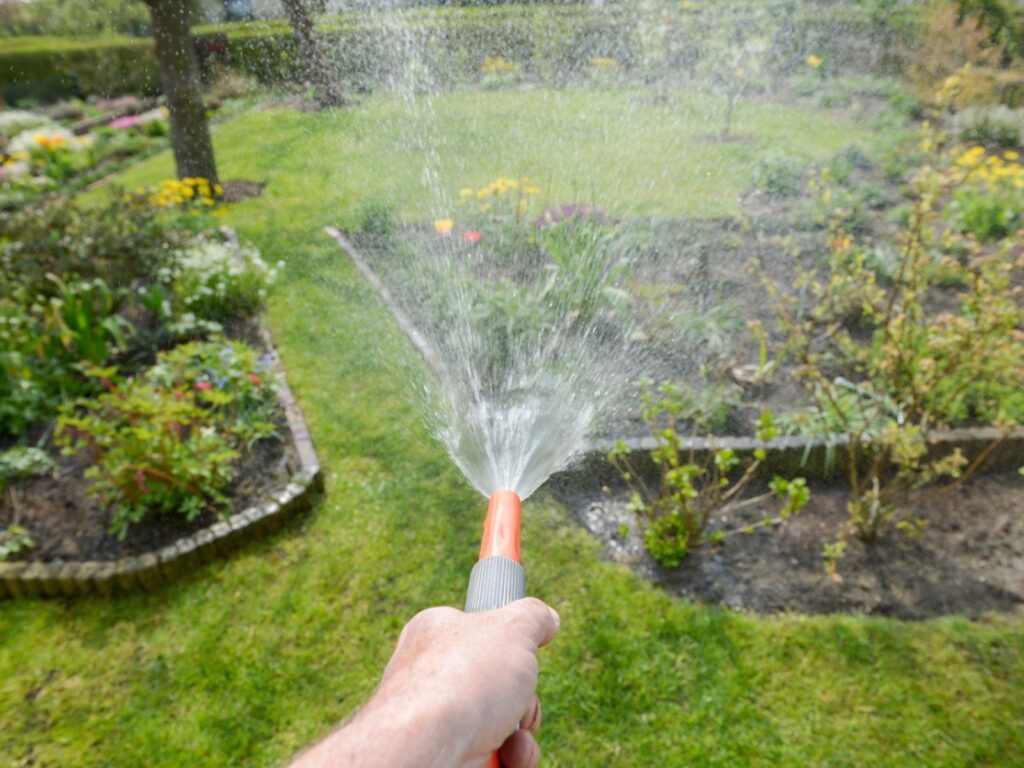
As a gardener, one of the most critical aspects of plant care is watering your vegetables and fruits. The right amount and quality of water can make all the difference in the growth, health, and productivity of your plants. In this article, we will delve into the world of irrigation, discussing the best practices for watering your garden, including when to water, how often, and what type of water to use.
Understanding the Need for Water in Vegetable and Fruit Production
Water is essential for plant growth, but using the wrong type or quantity can be detrimental to your crops. Plants require water to carry out photosynthesis, transport nutrients, and regulate temperature. However, excessive water can lead to root rot, nutrient deficiencies, and increased susceptibility to diseases.
To ensure optimal water quality, it’s crucial to understand the different types of water available:
- Tap water: Treated tap water is a common choice for gardening, but it may contain high levels of calcium and other minerals that can harm plants.
- Rainwater: Harvesting rainwater is an excellent way to collect water specifically designed for irrigation purposes.
- Well water: If you have access to well water, make sure it’s properly treated and tested before use.
Watering Your Vegetable and Fruit Garden
The frequency of watering depends on various factors, including:
- Type of plants: Different vegetables and fruits require varying levels of water. For example:
- Tomatoes, peppers, and eggplants: Water every other day during hot summer months.
- Leafy greens like lettuce and spinach: Water daily, but avoid overwatering.
- Fruits like strawberries and blueberries: Water twice a week.
- Weather conditions: Weather patterns, such as rainfall and temperature, can impact water demand. Consider using weather-resistant watering cans or timers to ensure consistent hydration.
- Soil type: Different soils have varying levels of permeability, affecting water absorption rates.
To determine the optimal time for watering:
- Check the soil moisture: Insert your finger into the soil up to the first knuckle, and if it feels dry, it’s time to water.
- Use a rain gauge or soil sensor: These tools can help you track precipitation and soil moisture levels.
- Adjust your schedule according to weather forecasts: Anticipate rainfall or adjust your watering schedule accordingly.
Using Drip Irrigation
Drip irrigation is an efficient way to deliver water directly to the roots of your plants, minimizing evaporation and runoff. This method:
- Reduces waste: By delivering water precisely where it’s needed, you can minimize unnecessary watering.
- Saves time: Automated systems can streamline watering routines.
- Increases yields: Consistent moisture levels promote healthy plant growth.
To set up a drip irrigation system:
- Choose the right tubing and emitters: Select materials suitable for outdoor use and compatible with your plants’ specific needs.
- Install the system: Follow manufacturer instructions or consult with local experts to ensure proper setup.
- Monitor and adjust: Regularly inspect the system, address any issues promptly, and make adjustments as needed.
Additional Tips for Watering Your Vegetable and Fruit Garden
- Mulching: Mulch around plants to retain moisture in the soil and reduce evaporation.
- Soil pH management: Test your soil’s pH regularly and adjust it if necessary to ensure optimal plant growth.
- Disease prevention: Keep an eye out for diseases spread through water, such as fungal infections.
By implementing these tips and guidelines, you’ll be well on your way to creating a thriving garden that produces bountiful harvests.
Frequently Asked Questions
Here are answers to common questions about watering your vegetable and fruit garden:
- How often should I water my garden?
- The frequency of watering depends on plant type, weather conditions, and soil moisture.
- What is the best way to deliver water to my plants?
- Drip irrigation is an efficient option for delivering water directly to roots, reducing evaporation and runoff.
- How can I prevent overwatering?
- Monitor soil moisture regularly by inserting your finger into the soil up to the first knuckle. If it feels dry, it’s time to water.
- What should I do if my plants develop yellow leaves?
- Yellow leaves may be a sign of overwatering or nutrient deficiency. Adjust watering schedules and fertilize with a balanced fertilizer.
Conclusion
Watering your vegetable and fruit garden requires careful consideration of various factors, including the type of water used, frequency of watering, and timing. By understanding these elements and implementing effective irrigation strategies, you’ll be able to create an optimal environment for plant growth and development.
Whether using drip irrigation or traditional methods, maintaining consistent moisture levels and addressing any issues promptly can lead to increased yields and healthier plants.


