
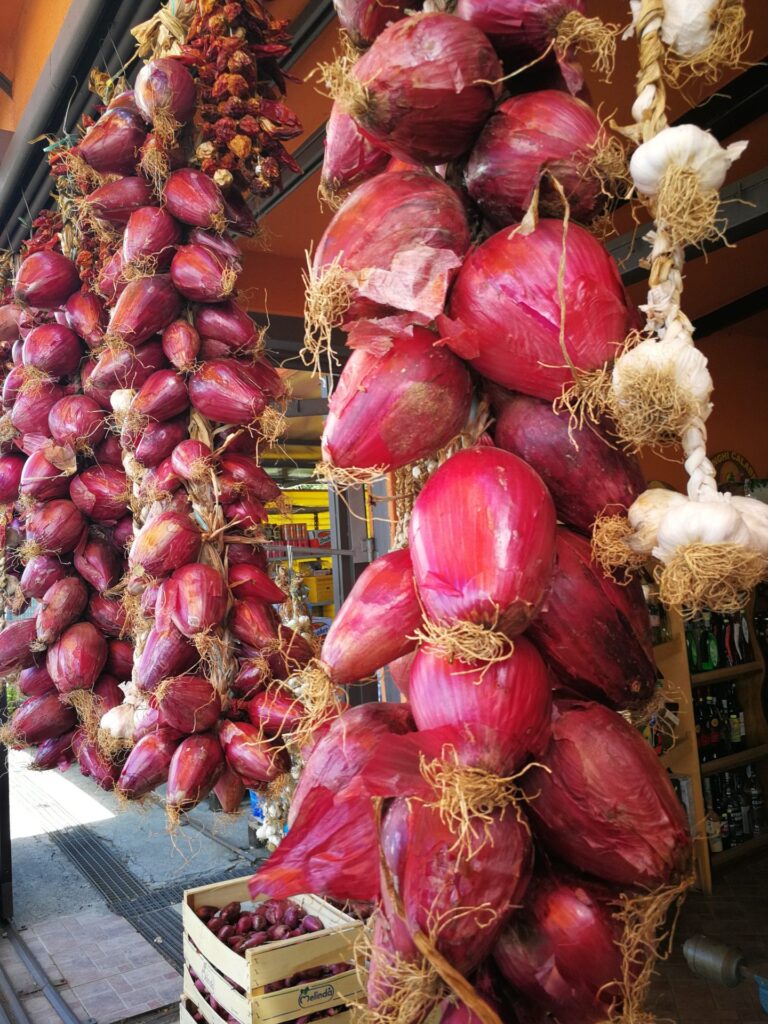
As a seasoned gardener, you’re likely no stranger to the joys of cultivating delicious and aromatic onions. Among the many varieties available, the prized Red Tropea onion stands out for its exceptional sweetness, crunchy texture, and striking red color. In this comprehensive guide, we’ll delve into the world of Red Tropea onions, exploring their unique characteristics, growing requirements, and expert tips to ensure a bountiful harvest.
Understanding Red Tropea Onions
Red Tropea onions are a protected designation of origin (PDO) product from Calabria, Italy. To qualify as an authentic Red Tropea onion, it must meet specific standards regarding its physical characteristics, taste, and aroma. These onions are renowned for their sweet, crunchy texture and natural red color.
Growing Red Tropea Onions: A Step-by-Step Guide
Exposure and Soil Requirements
To grow Red Tropea onions successfully, select a location with full sun and well-draining soil. Before planting, enrich the soil with compost or mature manure to provide essential nutrients for healthy growth.
- The ideal pH range for Red Tropea onion cultivation is between 6.0 and 7.0.
- Soil should be loose and free of rocks and debris to facilitate root growth.
- Consider using raised beds or containers to improve drainage and soil quality.
Sowing Seeds or Planting Bulbs
Red Tropea onions are sensitive to cold temperatures; therefore, it’s crucial to plant them at the right time. For outdoor sowing, choose a period with mild weather (late spring in northern regions and early April in southern regions). If you prefer to start indoors, sow seeds 8-10 weeks before the last frost date.
- Sowing Seeds: Red Tropea onion seeds are small and need to be sown on the surface of the soil. Cover them lightly with a thin layer of compost or potting mix.
- Planting Bulbs: If starting from bulbs, choose healthy ones with firm, dry skin. Plant them 2-3 cm deep and 7-10 cm apart.
Spacing and Planting
If starting from seedlings, space them 15-20 cm apart within rows that are 30 cm apart. When sowing directly into the ground, follow the same spacing guidelines.
- Row Spacing: Red Tropea onions have a spreading habit, so ensure sufficient space between rows for air circulation and easy access.
- Planting Density: For optimal growth, plant seedlings or bulbs at the recommended density to avoid overcrowding.
Caring for Red Tropea Onions
To ensure optimal growth and prevent pests and diseases, observe the following best practices:
- Water only when necessary, as onions are relatively drought-tolerant.
- Monitor soil moisture to prevent waterlogged conditions that can lead to rot and other issues.
- Keep an eye out for signs of pests, such as aphids, mites, or thrips. Use natural control methods whenever possible.
Common Pests and Diseases
Red Tropea onions are susceptible to several pests and diseases:
- Mosquitoes: These insects can cause damage by piercing the skin of the bulb. To prevent infestation, grow onions alongside other crops that repel mosquitoes.
- Root rot: This fungal disease thrives in moist environments. Improve drainage and reduce watering during periods of high humidity.
- Onion maggot: The larvae of the onion fly can cause significant damage to bulbs. Use traps or insecticidal soap to control infestations.
Characteristics of Red Tropea Onions IGP
As a protected designation of origin (PDO) product, authentic Red Tropea onions must meet specific standards:
- Sweetness: Red Tropea onions are renowned for their sweetness, making them an excellent choice for salads, cooking, and preserving.
- Texture: The crunchy texture of these onions is achieved through a combination of proper growing conditions, harvesting, and curing processes.
- Color: The natural red color of Red Tropea onions is a result of the presence of anthocyanins.
Harvesting Red Tropea Onions
Red Tropea onions are ready to harvest when the tops begin to yellow and fall over. Use scissors or a sharp knife to cut the bulbs from the soil, leaving about 1-2 cm of stem attached.
- Harvest Timing: The ideal time for harvesting Red Tropea onions is when they reach full maturity, usually around 120-150 days after planting.
- Soil Preparation: Before harvesting, loosen the soil to a depth of about 20 cm to facilitate bulb formation and promote healthy regrowth.
Preserving and Storing Red Tropea Onions
To enjoy your Red Tropea onions throughout the year, follow these preservation methods:
- Curing: After harvesting, allow the bulbs to cure in a dry, well-ventilated area for 1-2 weeks. This process helps to heal any wounds and reduce moisture content.
- Cool Storage: Store cured bulbs in a cool, dark place with low humidity (around 50%). Use breathable packaging materials like burlap or paper bags to maintain airflow.
Conclusion
Growing Red Tropea onions requires attention to detail, patience, and dedication. By understanding their unique characteristics, selecting suitable growing conditions, and implementing effective care practices, you can enjoy a bountiful harvest of delicious, crunchy, and sweet Red Tropea onions.
Frequently Asked Questions (FAQs)
Q: What is the optimal temperature for sowing Red Tropea onion seeds?
A: The ideal temperature for sowing Red Tropea onion seeds is between 15°C (59°F) and 20°C (68°F).
Q: Can I grow Red Tropea onions indoors?
A: Yes, you can start Red Tropea onion seeds indoors 8-10 weeks before the last frost date.
Q: How often should I water my Red Tropea onions?
A: Water your Red Tropea onions only when necessary, as they are relatively drought-tolerant.
Q: Can I use chemical pesticides on my Red Tropea onions?
A: No, it is recommended to use natural control methods whenever possible to minimize the risk of pesticide residues affecting the quality and safety of your onions.
Q: What is the optimal spacing for planting Red Tropea onion seedlings?
A: Plant Red Tropea onion seedlings 15-20 cm apart within rows that are 30 cm apart.
Q: Can I grow Red Tropea onions in containers?
A: Yes, you can grow Red Tropea onions in containers as long as they have sufficient space for the roots to develop.


