
Natural Soil Fertilization: A Comprehensive Guide to Preparing Your Garden for Spring
As the autumn season arrives, it’s an excellent opportunity to enrich our garden soil with natural fertilizers in preparation for better harvests next spring. This process not only benefits existing plants in the soil but also helps them withstand the harsh winter cold.
Preparing the Soil for Winter Protection
Before diving into the process of natural soil fertilization, it’s essential to prepare the ground to protect it from the upcoming frost. If your soil is particularly dense, use a shovel or spade to loosen it at least 10-15 cm deep. Choose the right tools for the job, depending on the size of your garden. For larger areas, consider using a rototiller, while smaller spaces can be tackled with a manual shovel.
Understanding the Importance of Soil Preparation
Soil preparation is crucial in maintaining healthy soil, which in turn supports plant growth and overall gardening success. By loosening the soil, you’ll improve its structure, allowing air and water to penetrate more easily. This will also help to break down any compacted layers, ensuring that nutrients can reach the roots of your plants.
Natural Soil Fertilization: A Step-by-Step Guide
- Gather Materials: Collect a sufficient quantity of natural fertilizer, such as composted manure or leaf mold.
- Apply the Fertilizer: Spread the natural fertilizer evenly across the soil surface using a rake or garden fork. Make sure to cover every area thoroughly.
Using Natural Fertilizers: A Comprehensive Guide
- Composted Manure: Composted manure is an excellent natural fertilizer, rich in nutrients like nitrogen, phosphorus, and potassium.
- Leaf Mold: Leaf mold is another popular natural fertilizer made from decomposed leaves. It’s high in organic matter, which helps improve soil structure and fertility.
Tips for Effective Natural Soil Fertilization
- Use an even distribution of fertilizer to avoid over-fertilizing specific areas.
- Mix in small amounts of compost or manure into the topsoil to create a nutrient-rich environment for your plants.
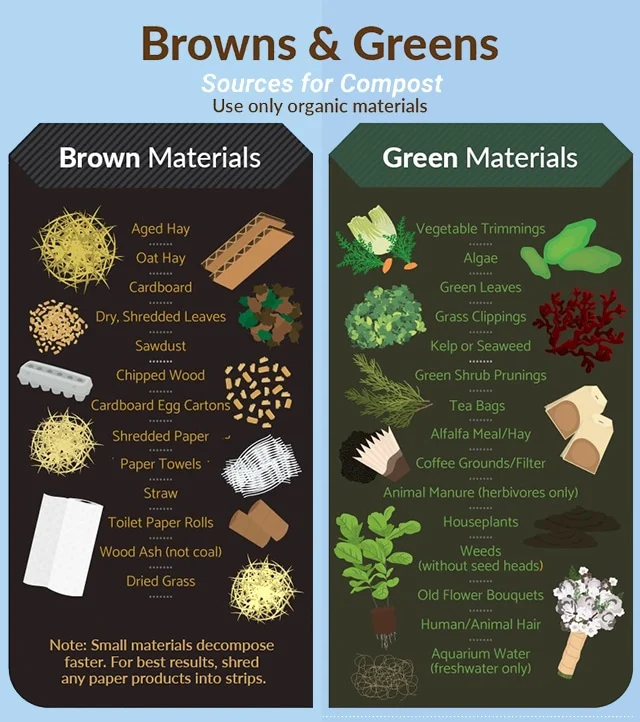
Creating Your Own Compost: A Simple Guide
Making your own compost is an easy and effective way to fertilize your soil naturally. To create compost, follow these steps:
- Gather Materials: Collect a large container or bin with a lid (at least 30 cm deep).
- Layer the Materials: Create layers of soil, vegetable scraps, and other organic materials in the following order: soil, vegetable scraps, soil, etc.
- Maintain the Layers: Ensure that each layer is at least 10-15 cm thick.
Alternative Natural Soil Fertilizers
In addition to compost, there are several other natural fertilizers you can use to enrich your soil:
- Leaves and Branches: Shredded leaves or branches can be added to the soil as a nutrient-rich mulch.
- Manure Tea: Steep animal manure in water to create a liquid fertilizer that’s rich in beneficial microorganisms.
Cenere: A Natural Fertilizer Rich in Phosphates
Cenere (burnt wood ash) is a natural fertilizer that’s high in phosphates, making it an excellent choice for plants. Here’s how to use it:
- Collect Cenere: Gather burnt wood ash from your fireplace or wood stove.
- Mix with Soil: Combine cenere with soil in a ratio of 70% soil and 30% cenere.
Benefits of Natural Soil Fertilization
Natural soil fertilization offers numerous benefits, including:
- Improved soil structure
- Increased fertility
- Enhanced plant growth
- Promotes sustainable agriculture practices
- Reduces reliance on synthetic chemicals
Conclusion
Natural soil fertilization is an effective way to improve the health and fertility of your garden without relying on synthetic chemicals. By following these simple steps, you can create a nutrient-rich environment for your plants to thrive. Remember to always follow best practices when using natural fertilizers, and don’t hesitate to reach out if you have any further questions.
Frequently Asked Questions
- What’s the best time to apply natural soil fertilizers?
Answer: Natural soil fertilizers can be applied at any time of the year, but it’s best to apply them in the autumn or early spring when plants are actively growing. - Can I use natural soil fertilizers on acidic soils?
Answer: Yes, many natural soil fertilizers can be used on acidic soils. However, it’s essential to test your soil pH before applying any new fertilizer. - How often should I apply natural soil fertilizers?
Answer: The frequency of application depends on the type of fertilizer and the specific needs of your plants. Generally, a balanced fertilizer should be applied once a month during the growing season. - Can I use natural soil fertilizers with other fertilizers?
Answer: Yes, many natural soil fertilizers can be used in combination with synthetic fertilizers or other organic fertilizers. However, it’s always best to consult with a gardening expert before mixing different types of fertilizers.
Benefits of Natural Soil Fertilization
- Improved soil structure
- Increased fertility
- Enhanced plant growth
- Promotes sustainable agriculture practices
- Reduces reliance on synthetic chemicals
Conclusion
Natural soil fertilization is an effective way to improve the health and fertility of your garden without relying on synthetic chemicals. By following these simple steps, you can create a nutrient-rich environment for your plants to thrive. Remember to always follow best practices when using natural fertilizers, and don’t hesitate to reach out if you have any further questions.
What Are Some Common Mistakes to Avoid When Using Natural Soil Fertilizers?
Common mistakes to avoid when using natural soil fertilizers include:
- Over-fertilizing specific areas
- Under-dosing plants with fertilizer
- Mixing different types of fertilizers without consulting a gardening expert
By being aware of these potential pitfalls, you can ensure that your natural soil fertilization efforts are successful and effective.
How Do I Maintain a Healthy Ecosystem in My Garden When Using Natural Soil Fertilizers?
Maintaining a healthy ecosystem requires careful planning and attention to detail. By incorporating natural soil fertilizers into your garden management routine, you can promote beneficial microorganisms, reduce waste, and create a sustainable gardening practice.
Some tips for maintaining a healthy ecosystem include:
- Rotating crops to avoid depleting the soil of specific nutrients
- Using mulch to retain moisture and suppress weeds
- Incorporating compost or manure into your garden bed
By following these guidelines and tips, you’ll be well on your way to creating a thriving, nutrient-rich environment for your plants.


