
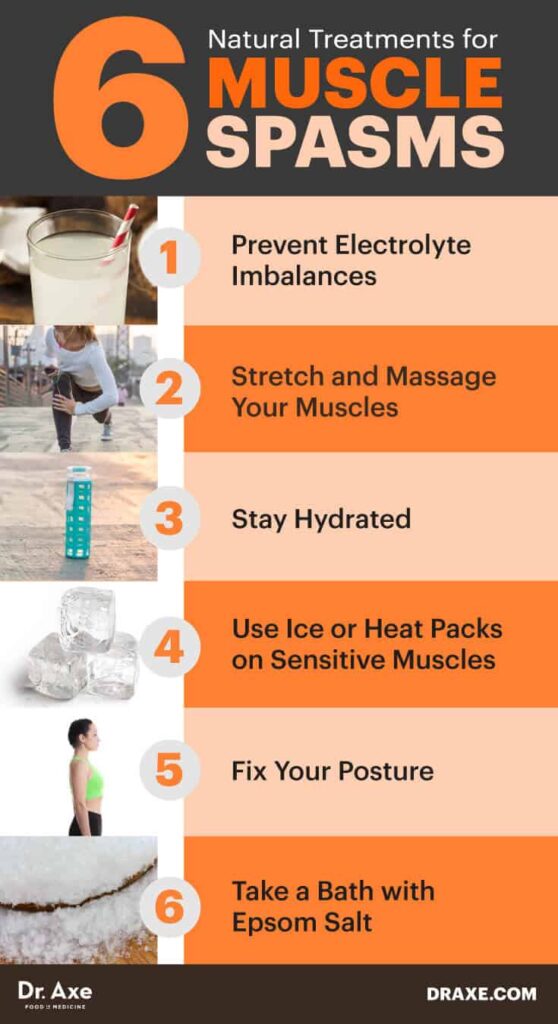
Muscle cramps are involuntary muscle contractions that cause a sharp pain. They can occur in various parts of the body, including the lower legs, calves, thighs, arms, and hands. Understanding the causes and taking preventative measures can help alleviate these discomforts.
Understanding the Causes of Muscle Cramps
While the exact cause of muscle cramps is often unknown, several factors can contribute to their development. These include:
- Mineral deficiencies (calcium, magnesium, potassium)
- Dehydration
- Overexertion or excessive sweating
- Poor hydration habits
Fortunately, incorporating natural remedies into your lifestyle and diet can help prevent muscle cramps.
Nutritional Remedies for Muscle Cramps
A balanced diet rich in essential nutrients can help prevent muscle cramps. Some key foods to include:
- Leafy green vegetables (spinach, kale, collard greens)
- Bananas
- Legumes (lentils, chickpeas, black beans)
- Dried fruits (dates, apricots, prunes)
- Avocados
Additionally, staying hydrated is crucial. Drinking plenty of water throughout the day and incorporating hydrating foods into your diet can help regulate mineral levels.
Lifestyle Remedies for Muscle Cramps
Maintaining a healthy lifestyle can also help prevent muscle cramps. Here are some tips:
- Engage in regular exercise, but avoid overexertion
- Practice stretching before and after physical activity
- Take regular breaks to stretch during long periods of sitting or standing
By incorporating these remedies into your daily routine, you can reduce the risk of developing muscle cramps.
Insufficiency of Venous Blood Circulation
People with venous insufficiency may be more prone to muscle cramps. During pregnancy, changes in blood circulation and body composition can contribute to this condition.
Other Contributing Factors
In addition to mineral deficiencies and dehydration, other factors can contribute to muscle cramps:
- Stress: High levels of stress can lead to muscle tension and cramping
- Hormonal imbalances: Hormonal fluctuations during menstruation or menopause can cause muscle cramps
- Certain medications: Some medications, such as diuretics and beta-agonists, can increase the risk of muscle cramps
When to Seek Medical Attention
While most muscle cramps are harmless, in some cases, they may be a sign of an underlying medical condition. If you experience any of the following symptoms, seek medical attention:
- Sudden or severe muscle cramps
- Muscle weakness or numbness
- Fever or chills
- Difficulty breathing or swallowing
Natural Remedies for Relief
When a muscle cramp occurs, try the following remedies:
- Stretch the affected muscle
- Apply gentle pressure to the area
- Massage the affected area with warm oil or essential oils (lavender, peppermint)
- Use heat or cold therapy to relax the muscles
Here are some additional natural remedies you can try:
- Camomile oil massage for relaxation and pain relief
- Oatmeal baths for soothing itchy skin
- Ginger tea for digestive issues
- Epsom salt baths for relaxation
Home Remedies for Muscle Cramps
In addition to the natural remedies mentioned above, here are some home remedies you can try:
- Lemon juice and water: Mix equal parts lemon juice and water and drink as a tonic
- Apple cider vinegar: Drink apple cider vinegar mixed with water before bed to help relax muscles
- Baking soda baths: Add baking soda to your bath water for a soothing and relaxing soak
Alternative Therapies
In addition to natural remedies, alternative therapies can also help alleviate muscle cramps. These include:
- Acupuncture: This ancient Chinese practice involves inserting thin needles into specific points on the body to stimulate healing
- Chiropractic care: Spinal manipulation and other chiropractic techniques can help relieve pressure on nerves and muscles
- Massage therapy: Trained massage therapists can use various techniques to relax tense muscles
Preventing Muscle Cramps
By incorporating these remedies into your lifestyle, you can reduce the risk of developing muscle cramps. Here are some additional tips:
- Stay hydrated by drinking plenty of water throughout the day
- Eat a balanced diet rich in essential nutrients
- Engage in regular exercise, but avoid overexertion
- Practice stretching before and after physical activity
By taking preventative measures and incorporating natural remedies into your lifestyle, you can help alleviate muscle cramps and improve overall health.


