
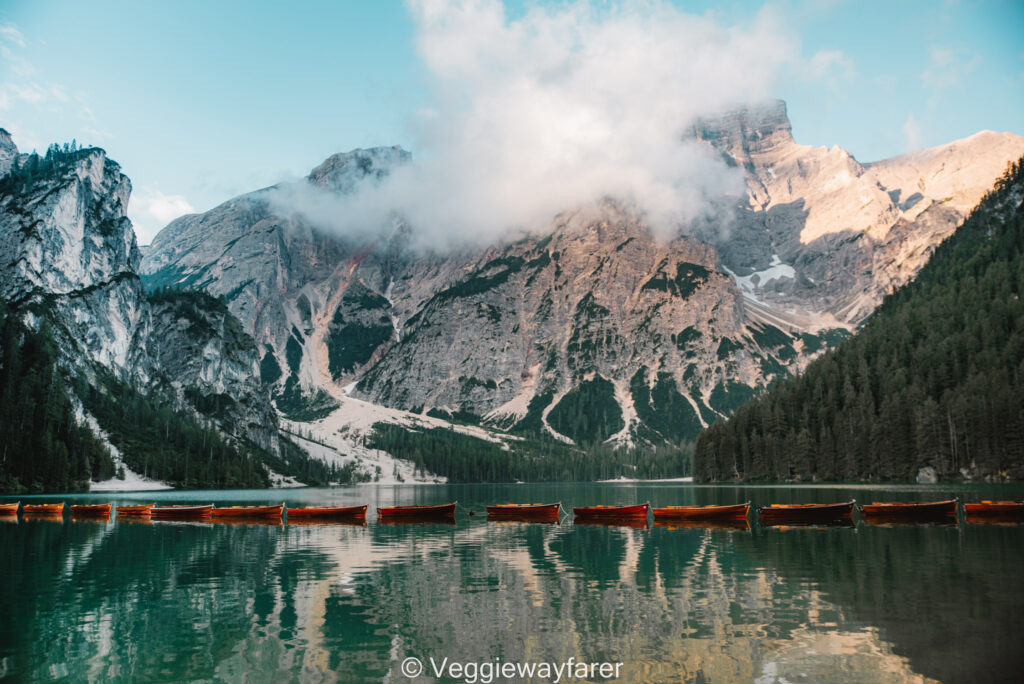
As we strive for a healthier balance between our mental and physical well-being, it’s essential to reconnect with nature. Research has shown that spending time in wilderness areas can have a profound impact on both our psychological and physiological health. Italy, often overlooked as a destination for outdoor enthusiasts, boasts numerous untouched areas of natural beauty, waiting to be explored.
In this article, we’ll embark on a journey to discover five unconventional wilderness spots in Italy, each offering a unique blend of breathtaking landscapes, diverse wildlife, and unparalleled opportunities for adventure.
Contenuti
-
- Parco Nazionale della Val Grande, Piemonte
-
- Monte Cevedale, Lombardia – Trentino Alto Adige
-
- Parco Nazionale della Majella, Abruzzo
-
- Natura selvaggia in Italia: Calanchi di Aliano, Basilicata
-
- Selvaggio Blu, Sardegna
1. Parco Nazionale della Val Grande, Piemonte
Established in 1992, the Parco Nazionale della Val Grande is a protected area that safeguards the largest expanse of wilderness in Italy and Europe. Located in the Piedmont region, this vast natural reserve offers an unparalleled opportunity to immerse yourself in unspoiled nature.
The park’s unique landscape features a mix of coniferous and deciduous forests, with dense vegetation and a rich variety of wildlife. Visitors can explore the area’s many trails, from easy strolls to more challenging treks, making it an ideal destination for outdoor enthusiasts.
Some popular activities within the park include:
- Hiking: With over 400 kilometers of trails, visitors can explore the park’s diverse landscapes, taking in breathtaking views and spotting local wildlife.
- Wildlife watching: The park is home to a variety of flora and fauna, including rare species such as the Pyrenean chamois and the bearded vulture.
- Camping: Visitors can pitch their tents in one of the park’s designated campsites, immersing themselves in the wilderness.
2. Monte Cevedale, Lombardia – Trentino Alto Adige
Located in the Stelvio National Park, Monte Cevedale is the third-highest peak in the area, after the Ortles and Gran Zebrù mountains. This mountain offers breathtaking views of the surrounding landscape and can be reached via a challenging trekking route.
The ascent requires proper equipment and preparation due to the steep terrain and unpredictable weather conditions. However, for experienced hikers, the reward is well worth the effort – the stunning alpine scenery and unique geological formations make Monte Cevedale an unforgettable experience.
Some tips for hiking Monte Cevedale include:
- Acclimatization: Visitors should allow at least two days to acclimatize to the high altitude before attempting the ascent.
- Weather forecasting: Keep a close eye on weather forecasts, as sudden changes in weather can be hazardous.
- Gear and equipment: Ensure you have the necessary gear and equipment, including crampons, ropes, and a first aid kit.
3. Parco Nazionale della Majella, Abruzzo
Situated in the central Apennine Mountains, the Parco Nazionale della Majella is a haven for nature lovers and adventure seekers. This protected area is dominated by the majestic Monte Amaro and features a diverse range of flora and fauna.
Visitors can explore the park’s many trails, including those designed for more experienced hikers. The area is home to rare species such as orsi marsicani (Marsilean bears) and camosci appenninici (Appennine ibex), making it an ideal destination for wildlife enthusiasts.
Some popular activities within the park include:
- Hiking: With over 400 kilometers of trails, visitors can explore the park’s diverse landscapes, taking in breathtaking views and spotting local wildlife.
- Rock climbing: The park offers numerous rock climbing routes, suitable for experienced climbers.
- Birdwatching: Visitors can spot a variety of bird species, including rare ones such as the lesser spotted eagle.
4. Natura selvaggia in Italia: Calanchi di Aliano, Basilicata
Located in the region of Basilicata, the Calanchi di Aliano are a unique example of erosion caused by water flowing through clay soils. This phenomenon has created a landscape of stark beauty, characterized by sparse vegetation and unusual rock formations.
Visitors can explore the calanchi via various trails, ranging from easy strolls to more challenging hikes. The area offers an unforgettable experience, with its surreal landscapes and serene atmosphere making it an ideal destination for those seeking solitude and connection with nature.
Some tips for visiting the Calanchi di Aliano include:
- Planning: Visitors should plan their visit during the spring or autumn months, when the weather is mild and comfortable.
- Clothing: Wear sturdy shoes and clothing suitable for hiking, as well as protection from the sun and wind.
- Respect: Visitors must respect the fragile environment and wildlife, avoiding any activities that may harm the ecosystem.
5. Selvaggio Blu, Sardegna
Located on the island of Sardinia, the Selvaggio Blu trekking route is considered one of Italy’s most challenging outdoor adventures. This five- to six-day journey takes hikers through rugged terrain, featuring steep inclines, rock formations, and isolated coastlines.
The trek is not for the faint of heart, requiring experienced trekkers with proper equipment and a high level of physical fitness. However, for those who persevere, the reward is well worth the effort – the breathtaking scenery, unique geological formations, and unspoiled natural beauty make Selvaggio Blu an unforgettable experience.
Some tips for hiking the Selvaggio Blu include:
- Preparation: Visitors should allow at least 6 months to prepare for the trek, including training and physical conditioning.
- Equipment: Pack essential gear, such as a first aid kit, rope, and shelter, as well as sturdy shoes and clothing suitable for hiking.
- Teamwork: The hike is often more enjoyable with a partner or team, providing mutual support and encouragement.
Conclusion
Italy’s wilderness areas offer a wealth of opportunities for outdoor enthusiasts to reconnect with nature and challenge themselves in the process. From the scenic landscapes of the Val Grande to the rugged terrain of Sardinia, each destination boasts its unique charm and attractions.
Before embarking on any adventure, it’s essential to research the area, assess your skills and experience, and prepare accordingly. With the right mindset and preparation, Italy’s wilderness areas can provide an unforgettable experience for those seeking adventure and connection with nature.
Frequently Asked Questions
- What are some of the best times to visit Italy’s wilderness areas?
- How do I prepare for a trekking trip in Sardinia or elsewhere in Italy?
- Can I hike alone in Italy’s wilderness areas, or should I join a guided group?
- Are there any specific regulations or restrictions I need to be aware of when visiting Italy’s protected areas?
- How can I ensure my safety while hiking in Italy’s wilderness areas?
Stay tuned for more information on how to explore and enjoy Italy’s incredible natural beauty!
Additional Resources
- Italian National Park Service (Parco Nazionale)
- Italian Trekking Federation (Federazione Italiana Escursionismo)
- Sardegna Tourism Board (Agenzia di Promozione del Turismo della Sardegna)
By visiting these unconventional wilderness spots in Italy, you can experience the country’s stunning natural beauty and reconnect with the world around you. Remember to always respect the environment and local regulations, ensuring a safe and enjoyable adventure for all.


