
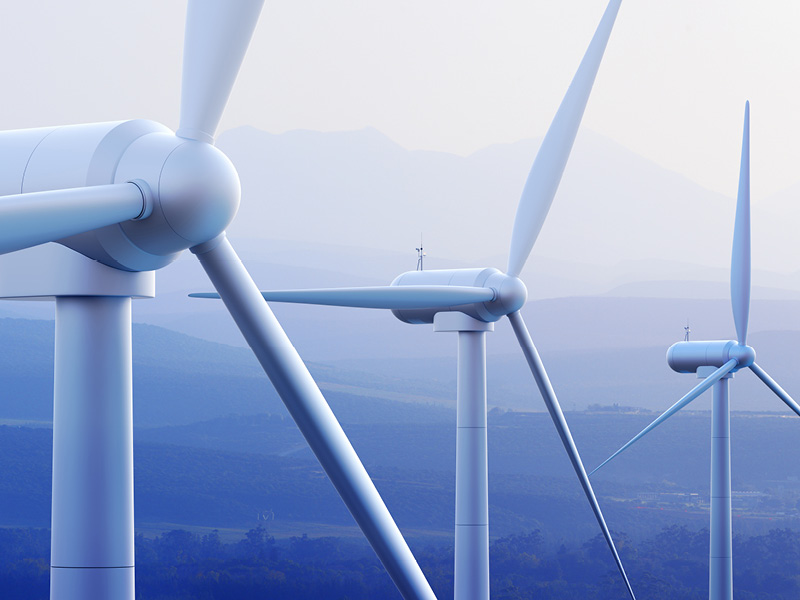
As the world continues to grapple with the challenges of climate change, energy security, and economic growth, offshore wind energy has emerged as a game-changer. With its vast potential for job creation, economic stimulus, and reduced carbon emissions, this emerging industry is poised to revolutionize the way we think about energy production. In this article, we’ll delve into the world of offshore wind energy, exploring its benefits, challenges, and opportunities for America.
A Glimpse into the Future: 300,000 Jobs and $200 Billion in Economic Benefits
The economic potential of offshore wind energy is staggering. Estimates suggest that it could create over 300,000 new jobs and generate $200 billion in economic activity. This is not just a number; it’s a chance for America to tap into a vast untapped resource, harnessing the power of the ocean’s winds to fuel our economy.
What is Offshore Wind Energy?
Offshore wind energy is a type of renewable energy that uses wind turbines installed on floating structures in the ocean. These turbines convert wind kinetic energy into electricity, which can then be transmitted back to shore and distributed to homes, businesses, and industries. Offshore winds are stronger and more consistent than those found on land, making them ideal for generating electricity.
The Benefits of Offshore Wind Energy
So, what makes offshore wind energy so attractive? For starters, it offers a cleaner alternative to fossil fuels, reducing greenhouse gas emissions and mitigating climate change. It also provides a reliable source of energy, as winds are more consistent in the ocean than on land. Additionally, offshore wind farms can be built near coastal communities, creating jobs and stimulating local economies.
The National Wildlife Foundation’s Report: A Game-Changer
A recent report by the National Wildlife Foundation (NWF) highlighted the economic benefits of offshore wind energy. The report analyzed the potential revenue generated from wind energy projects and found that they could create up to 300,000 new jobs and generate $200 billion in economic activity. This report is a game-changer, as it underscores the vast potential of offshore wind energy for America.
Designated Areas: A New Era for Offshore Wind
The U.S. government has designated an area of over 3,000 square kilometers where winds are stronger and more consistent, making them ideal for offshore wind farms. This area stretches along the Atlantic coast, encompassing parts of 10 states that comprise the bulk of America’s coastline.
Early Adopters: States Leading the Way
Several states have already set their sights on harnessing the power of offshore wind energy. Maine, Massachusetts, and New Jersey have officially committed to generating a portion of their electricity from offshore wind sources. These early adopters are paving the way for others to follow, demonstrating the potential for offshore wind energy to transform America’s energy landscape.
Economic Benefits: Creating Jobs and Stimulating Growth
So, what can we expect in terms of economic benefits? Offshore wind farms create not only new jobs but also stimulate local economies. The construction of these projects requires a large workforce, which can be sourced from nearby communities. Additionally, the infrastructure built to support offshore wind energy, such as transmission lines and substation facilities, can generate significant economic activity.
The Benefits for the Environment
Offshore wind energy is not just good for the economy; it’s also better for the environment. By harnessing the power of winds, we can reduce our reliance on fossil fuels, decreasing greenhouse gas emissions and mitigating climate change. This is a win-win scenario, as offshore wind energy helps to create jobs while protecting the planet.
Challenges and Opportunities
While offshore wind energy holds immense potential, there are also challenges that need to be addressed. One of the main concerns is the high upfront cost of building these projects. However, as technology improves and economies of scale are achieved, costs are expected to decrease, making it more accessible to a wider range of companies.
Another challenge is the environmental impact of offshore wind farms on marine life. However, research has shown that these impacts can be minimized through careful planning and design. Moreover, offshore wind energy can provide a unique opportunity for coastal communities to benefit from this emerging industry.
Funding Opportunities
The U.S. government offers various funding opportunities for companies and organizations interested in developing offshore wind energy projects. The Department of Energy’s (DOE) Office of Energy Efficiency and Renewable Energy (EERE) provides grants, loans, and other forms of assistance to support the development of offshore wind farms.
International Cooperation
Offshore wind energy is not a solo effort; it requires international cooperation and collaboration. The U.S. can learn from European countries like Denmark and Germany, which have been at the forefront of this emerging industry for years.
Case Study: Denmark’s Offshore Wind Farms
Denmark has invested heavily in offshore wind energy, with over 6,000 turbines generating enough electricity to power a country the size of Norway. This success story highlights the potential of offshore wind energy and provides valuable insights for other countries looking to follow suit.
The Future of Offshore Wind Energy: A Bright Horizon
As we look to the future, it’s clear that offshore wind energy has immense potential for America. With its clean, reliable, and economic benefits, this emerging industry is poised to revolutionize the way we think about energy production. As we move forward, it’s essential that we continue to invest in research and development, infrastructure, and education, ensuring that America remains at the forefront of the offshore wind energy revolution.
Conclusion
Offshore wind energy has emerged as a game-changer for America, offering a cleaner alternative to fossil fuels, creating jobs, and stimulating local economies. With its vast potential for economic benefits, environmental protection, and job creation, this emerging industry is poised to transform America’s energy landscape. As we move forward, it’s essential that we prioritize offshore wind energy, investing in research and development, infrastructure, and education to ensure a bright future for this growing industry.
Frequently Asked Questions
- What is the economic potential of offshore wind energy?
Offshore wind energy has the potential to create over 300,000 new jobs and generate $200 billion in economic activity. - Why is offshore wind energy attractive?
Offshore wind energy offers a cleaner alternative to fossil fuels, provides a reliable source of energy, and can be built near coastal communities, creating jobs and stimulating local economies. - What are the benefits for the environment?
Offshore wind energy helps reduce greenhouse gas emissions and mitigates climate change by harnessing the power of winds. - Which states have committed to generating electricity from offshore wind sources?
Maine, Massachusetts, and New Jersey have officially set their sights on harnessing the power of offshore wind energy. - What can we expect in terms of economic benefits?
Offshore wind farms create new jobs and stimulate local economies through infrastructure development and construction. - How much does it cost to build an offshore wind farm?
The cost of building an offshore wind farm varies, but estimates suggest that it can range from $1 million to $10 million per megawatt of installed capacity. - What is the future outlook for offshore wind energy in America?
Offshore wind energy has immense potential for America, with a bright horizon ahead as we continue to invest in research and development, infrastructure, and education.
Recommendations
To unlock the economic potential of offshore wind energy, we recommend that:
- The U.S. government provides more funding opportunities for companies and organizations interested in developing offshore wind farms.
- Research and development be prioritized to improve efficiency and reduce costs.
- Education and training programs be established to develop a skilled workforce capable of supporting the growth of this industry.
- International cooperation be strengthened through partnerships with countries that have experience in offshore wind energy.
By following these recommendations, we can ensure that America remains at the forefront of the offshore wind energy revolution, unlocking its full potential for economic benefits, environmental protection, and job creation.


