
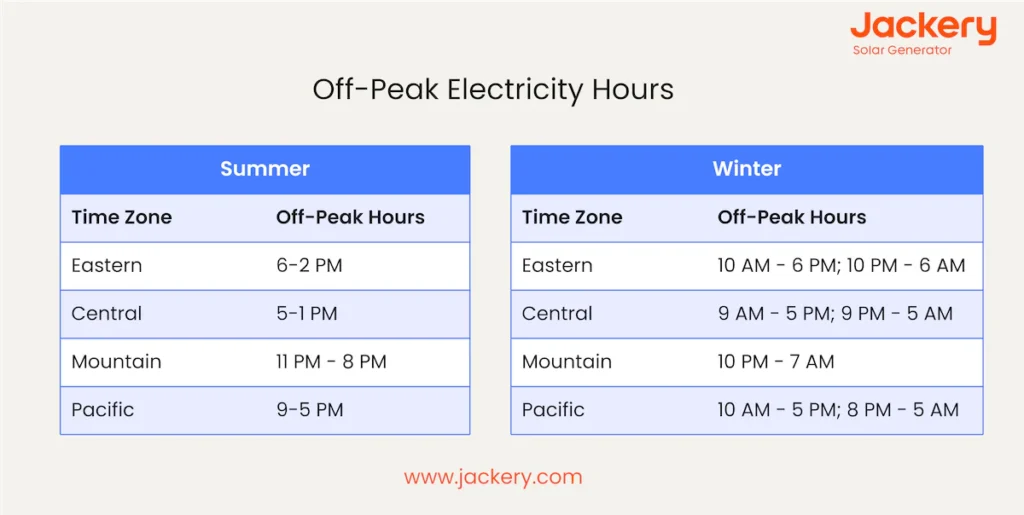
As we navigate our daily lives, it’s easy to overlook the impact of electricity rates on our budgets. However, by understanding how daylight and nighttime electricity rates work, you can make informed decisions about your energy consumption and save money.
In this article, we will delve into the world of time-of-use (TOU) tariffs, also known as daylight and nighttime electricity rates. We’ll explore what these rates are, how they work, and provide tips on how to take advantage of them to reduce your energy bills.
What Are Daylight and Nighttime Electricity Rates?
Daylight and nighttime electricity rates were introduced to enable consumers to pay for electricity at different rates depending on the time of day. This pricing strategy encourages users to shift their energy consumption to off-peak hours when demand is lower. By shifting non-essential activities to these off-peak hours, you can save money on your electricity bills.
How Do Daylight and Nighttime Electricity Rates Work?
In this system, the cost of electricity varies based on the hour of the day. The price is higher during peak hours (usually daytime) and lower during off-peak hours (usually nighttime). This means that if you use electricity during the day, you’ll pay more for it than if you do so at night.
For example, let’s say your electricity provider has a rate structure as follows:
- Peak Hours: 8 am to 7 pm on weekdays (Monday to Friday)
- Off-Peak Hours: 7 pm to 8 am the next day, and all weekend days
If you use electricity during peak hours (8 am to 7 pm), you’ll pay a higher rate. On the other hand, if you use electricity during off-peak hours (7 pm to 8 am or weekends), you’ll pay a lower rate.
What Are the Conditions for Daylight and Nighttime Electricity Rates?
To take advantage of daylight and nighttime electricity rates, you need to have a smart meter installed in your home or business. Smart meters allow you to monitor your energy usage in real-time, enabling you to make informed decisions about when to use energy. Additionally, you’ll need a contract that allows for TOU pricing.
Daylight Electricity Rates: Who Can Benefit?
If you’re a residential customer, the daylight electricity rates are as follows:
- F1 (Peak Hours): From 8 am to 7 pm on weekdays (Monday to Friday). This period is considered peak hours due to high energy demand.
- F2-F3 (Off-Peak Hours): From 7 pm to 8 am the next day, and all weekend days. These periods are considered off-peak hours because they have lower energy demand.
By shifting your daily activities to off-peak hours, you can save money on your electricity bills.
Nighttime Electricity Rates for Businesses
Business customers face different pricing structures compared to residential customers. The rates are tri-orinary:
- F1 (Peak Hours): 8 am to 7 pm on weekdays (Monday to Friday).
- F2: From 7 pm to 11 pm on weekdays and from 7 am to 11 pm on weekends.
- F3 (Nighttime Rate): From 11 pm to 7 am, all weekend days, and on holidays.
Benefits of Daylight and Nighttime Electricity Rates
By understanding how daylight and nighttime electricity rates work, you can make informed decisions about your energy consumption. By shifting your daily activities to off-peak hours, you can save money on your electricity bills.
Some additional benefits of these rates include:
- Reduced Peak Demand: By shifting non-essential activities to off-peak hours, you can reduce peak demand and help prevent power outages.
- Increased Efficiency: With the right pricing structure, you may be more inclined to use energy-efficient appliances and practices during off-peak hours.
- Cost Savings: By taking advantage of daylight and nighttime electricity rates, you can save money on your electricity bills.
Frequently Asked Questions (FAQs)
- What is the purpose of daylight and nighttime electricity rates?
Daylight and nighttime electricity rates aim to reduce peak demand by encouraging users to shift their energy consumption to off-peak hours. - Do I need a smart meter to take advantage of daylight and nighttime electricity rates?
Yes, you’ll need a smart meter installed in your home or business to monitor your energy usage and make informed decisions about when to use energy. - Can I still save money with daylight and nighttime electricity rates if I don’t have a smart meter?
No, without a smart meter, you won’t be able to take advantage of these rates. - How do I determine my peak hours for electricity consumption?
Your electricity provider will typically provide you with information on your peak hours based on historical usage data or seasonal patterns. - What happens if I don’t adjust my energy consumption to off-peak hours?
If you continue to use electricity during peak hours, you’ll pay higher rates than usual. - Can I set up a schedule for my smart meter to automatically adjust my energy usage?
Yes, most smart meters can be programmed to automatically adjust your energy usage based on the time of day and your desired rate. - How do I know if my electricity provider offers daylight and nighttime electricity rates?
Check with your electricity provider directly or review your contract to see if these rates are available. - What are some tips for making the most of daylight and nighttime electricity rates?
Shift non-essential activities to off-peak hours, use energy-efficient appliances, and consider upgrading to a smart meter.
Tips for Making the Most of Daylight and Nighttime Electricity Rates
Here are some additional tips to help you make the most of these rates:
- Adjust Your Routine: Shift your daily routine to off-peak hours. For example, do laundry or cleaning during the night when rates are lower.
- Use Energy-Efficient Appliances: Use energy-efficient appliances and practices during off-peak hours to reduce your energy consumption.
- Upgrade to a Smart Meter: Consider upgrading to a smart meter to monitor your energy usage in real-time and make informed decisions about when to use energy.
- Plan Ahead: Plan ahead by scheduling non-essential activities during off-peak hours.
- Take Advantage of Special Offers: Take advantage of special offers from your electricity provider, such as discounts for using energy-efficient appliances or practices.
By understanding how daylight and nighttime electricity rates work and making informed decisions about your energy consumption, you can save money on your electricity bills and reduce your impact on the environment.
In conclusion, daylight and nighttime electricity rates are an effective way to reduce peak demand and encourage users to shift their energy consumption to off-peak hours. By taking advantage of these rates and following tips for making the most of them, you can save money on your electricity bills and contribute to a more sustainable future.


