
Introduction
As parents, educators, and caregivers, we often look for innovative ways to teach children about the importance of nature, sustainability, and environmental conservation. One fun and effective way to achieve this is by organizing a treasure hunt that combines outdoor exploration with educational content. In this article, we will explore the benefits of creating an educational treasure hunt and provide guidance on how to plan and execute one that is both enjoyable and informative for children.
The Benefits of Treasure Hunts
Treasure hunts can be a great way to encourage children to spend time outdoors, appreciate nature, and learn about environmental issues. By incorporating educational content into the game, parents and educators can help children develop important skills such as problem-solving, critical thinking, and teamwork. Additionally, treasure hunts can be a fun and engaging way to teach children about sustainability, waste management, and conservation.
Choosing the Right Location
When planning an educational treasure hunt, it’s essential to choose a location that is suitable for outdoor exploration and learning. Consider visiting parks, nature reserves, WWF oases, or gardens. These locations offer a variety of natural environments that can be used as a backdrop for your treasure hunt.
- Parks: Parks are an excellent choice for a treasure hunt, offering a range of landscapes, from urban to rural.
- Nature Reserves: Nature reserves provide unique opportunities for children to observe and learn about different species of plants and animals.
- WWF Oases: WWF oases offer a chance for children to experience the importance of conservation and sustainability in action.
- Gardens: Gardens can be a great location for a treasure hunt, providing an opportunity for children to learn about different types of flowers, trees, and other plants.
Designing the Treasure Hunt
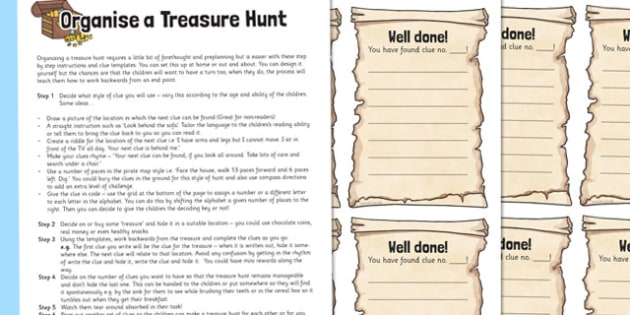
To create an effective educational treasure hunt, you’ll need to design a series of clues and challenges that will engage children and teach them about environmental issues. Here are some ideas to get you started:
- Create a theme: Choose a theme for your treasure hunt, such as sustainability, waste management, or conservation.
- Develop a storyline: Create a story that ties together the various clues and challenges.
- Design clues: Write a series of clues that will lead children through the treasure hunt. These can be hidden items, riddles, or challenges that require problem-solving skills.
What to Collect During the Treasure Hunt
During the treasure hunt, you’ll want to encourage children to collect items that are relevant to the theme and storyline. Some ideas include:
- Aluminum waste
- Paper waste
- Plastic waste
- Edible items
- Photographs of local wildlife
Using Technology to Enhance the Experience
To make your treasure hunt even more engaging, consider using technology to enhance the experience. Here are some ideas:
- Create a mobile app: Develop a mobile app that will guide children through the treasure hunt and provide additional information about environmental issues.
- Use QR codes: Place QR codes throughout the location where children can scan and access additional information or challenges.
Involving Parents and Local Businesses
To make your treasure hunt even more successful, consider involving parents and local businesses. Here are some ideas:
- Partner with local producers: Partner with local producers who sell biodegradable or zero-kilometer products.
- Involve local experts: Invite local experts to provide additional information about environmental issues.
Tips for Executing the Treasure Hunt
To ensure a successful treasure hunt, follow these tips:
- Communicate clearly: Make sure all participants understand the rules and objectives of the treasure hunt.
- Provide clear instructions: Give each child a copy of the treasure map or guide to help them navigate the location.
- Use visual aids: Use pictures, diagrams, or videos to explain complex concepts or provide additional information.
- Encourage teamwork: Consider organizing teams instead of individual participants to promote collaboration and cooperation.
Safety Considerations
When planning a treasure hunt, safety should always be the top priority. Here are some tips to ensure a safe experience for all participants:
- Assess the location: Evaluate the terrain, weather conditions, and potential hazards before hosting the event.
- Provide clear instructions: Make sure children understand the rules and objectives of the treasure hunt, including any safety precautions.
- Supervise closely: Ensure that a sufficient number of adults are present to supervise children at all times.
Evaluating Success
To evaluate the success of your educational treasure hunt, consider collecting feedback from children and adults alike. Here are some ideas:
- Surveys: Distribute surveys or questionnaires to gather information about the experience.
- Focus groups: Hold focus groups or discussions with participants to gather more detailed feedback.
- Observations: Observe participants’ behavior and engagement during the event.
Conclusion
Creating an educational treasure hunt is a fun and effective way to teach children about nature, sustainability, and environmental conservation. By following the tips and ideas outlined in this article, you can create a treasure hunt that is both enjoyable and informative for children. Remember to choose a location, design clues, and use technology to enhance the experience.
Frequently Asked Questions
-
What is the best age range for an educational treasure hunt?
Children of all ages can participate in an educational treasure hunt, but it’s essential to adapt the difficulty level and content to suit their age and abilities.
* How do I ensure that the treasure hunt is both fun and educational?To ensure that your treasure hunt is both fun and educational, make sure to incorporate a variety of activities and challenges that cater to different learning styles and abilities.
* What are some tips for designing clues that are challenging but not frustrating?When designing clues, it’s essential to strike a balance between challenge and frustration. Make sure to provide clear instructions and hints to help children overcome obstacles and stay engaged.
* How can I use technology to enhance the treasure hunt experience?There are many ways to use technology to enhance the treasure hunt experience, including mobile apps, QR codes, and online resources.
* What are some potential risks or challenges associated with an educational treasure hunt?There are several potential risks or challenges associated with an educational treasure hunt, including safety concerns, logistical issues, and accessibility barriers. Make sure to plan carefully and anticipate these potential challenges before hosting your treasure hunt.
* How can I make my educational treasure hunt more accessible to children with disabilities?To make your educational treasure hunt more accessible to children with disabilities, consider providing accommodations such as wheelchair-accessible routes, sign language interpretation, or audio descriptions.


