
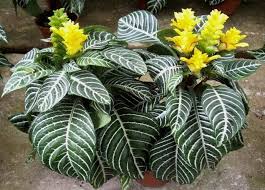
As a tropical plant, the aphelandra is known for its unique foliage and flowers. With over 200 species within the genus, this family of plants is widely distributed in Argentina, Brazil, and Mexico. The aphelandra has gained popularity among plant enthusiasts due to its attractive appearance and relatively low maintenance requirements.
In the following sections, we will delve into the main characteristics of the aphelandra, as well as provide practical tips for growing it successfully even in our own homes.
Characteristics of the Aphelandra
The most notable species of the aphelandra are known for their robust and compact growth (usually around 1 meter in height and 60 cm in width). The leaves are typically glossy green with white main and middle nerves, creating an aesthetically pleasing effect. They are arranged around the main stem to form a central rosette of varying sizes, depending on the species.
Most aphelandra species bloom in late spring or summer. The flowers do not last long, while the bracts can be appreciated for several months. The fruit is a quadrangular capsule containing small seeds. It’s recommended to remove the flowers as soon as they start to wilt.
The different types of aphelandra have distinct characteristics that set them apart from one another. For example:
- Aphelandra biflora: This species has dark green, glossy leaves with white nerves and produces bright yellow flowers.
- Aphelandra violacea: As its name suggests, this plant has purple-tinged bracts and white flowers.
- Aphelandra microphylla: This species has small, delicate leaves that are often used in ornamental arrangements.
How to Care for an Aphelandra
Here are some practical tips for growing this beautiful plant in our homes:
Optimal Exposure
The ideal habitat for our aphelandra should have a constant temperature of around 20°C, with a minimum temperature of 10-13°C. The aphelandra is considered a houseplant and is extremely sensitive to temperature fluctuations and dry environments.
Be sure to provide the plant with indirect natural light but avoid direct sunlight. Also, keep it away from heat sources. East- or west-facing windows are ideal for this type of plant.
Soil Requirements
The ideal substrate for growing aphelandra in pots should be soft and perfectly draining. A universal soil rich in organic matter combined with parts of peat moss and fine sand will isolate moisture from the delicate roots. Regular fertilization is essential to induce flowering; starting from vegetative growth, apply a liquid fertilizer every 15 days, balanced in nitrogen (N), phosphorus (P) and potassium (K), enriched with microelements such as iron, copper, manganese, zinc, and boron.
Dilute the fertilizer in water according to recommended dosages. Once the plant starts blooming, fertilize it weekly. In autumn and winter, fertilization is suspended.
Watering
Water the aphelandra frequently without ever letting the soil dry out. During hot summer days, you can perform nebulizations directly on the foliage, typically done in the early morning hours. In cooler seasons, irrigation should be sporadic and regular. Keep the soil consistently moist but never waterlogged.
Overwatering is a common mistake that can lead to root rot. Check the moisture level by inserting your finger into the soil up to the knuckle.
Propagation
Aphelandra can be propagated using both cutting or seed methods. Propagation through cuttings occurs by taking apices of around 10 cm (spring) after removing the outer leaves. The cut ends are then transplanted into a substrate of peat moss and coarse sand, carefully compacted. Cover the container with a lightweight plastic sheet that has holes for air exchange and keep it in a shaded area at about 20°C.
It’s essential to keep the soil moist during this process. Once new shoots appear, you can transfer the cuttings to their permanent pots.
Pruning
After blooming, prune the main stem up to two or three leaves. In February, if the stems have grown too long, perform a vigorous pruning to maintain only a few stems.
Regular pruning will also encourage bushy growth and prevent the plant from becoming leggy.
Common Pests and Diseases of Aphelandra
The aphelandra is susceptible to pests such as coccinellids and aphids that typically colonize under the lower surface of the leaf or at the base of the stalks. The first one eats the sap, causing the leaves to become blackened and sticky, rendering them vulnerable to fungi.
To eliminate these pests, use a specific product or gently scrub the affected areas with an alcohol-soaked cotton pad.
Interesting Facts about Aphelandra
The aphelandra was introduced to Europe in 1800 and is known as the “zebra plant” due to its striking white nerves. The scientific name of this genus comes from the Greek words: aphel (simple) + andros (man). This name is linked to the structure of the inner part of the flower.
The aphelandra has been used in traditional medicine for centuries, particularly in South America. It’s believed to have anti-inflammatory properties and can be used to treat various health issues.
Would you like to know more about other plants? Check out our related articles!
Frequently Asked Questions
- What’s the best way to care for an aphelandra indoors?
The aphelandra requires a consistent 20°C temperature, low humidity, and indirect sunlight. Water it frequently but avoid overwatering. - How often should I fertilize my aphelandra?
Feed your aphelandra with a balanced fertilizer every 15 days during vegetative growth and weekly once blooming starts. In autumn and winter, suspend fertilization altogether. - Can I propagate an aphelandra using seeds?
Yes, but it’s more challenging than propagating through cuttings. Seeds may take several months to germinate, and the resulting seedlings might not retain their original plant’s characteristics. - Why does my aphelandra have white patches on its leaves?
The aphelandra can develop spots that resemble white patches due to fungal diseases or pests like coccinellids and aphids. Take action by pruning off affected parts, treating the plant with a specific product, or adjusting your care routine. - How long do aphelandra plants live?
With proper care, an aphelandra can thrive for several years indoors.
By following these guidelines and tips, you’ll be well on your way to growing a healthy and thriving aphelandra plant in your home.


