
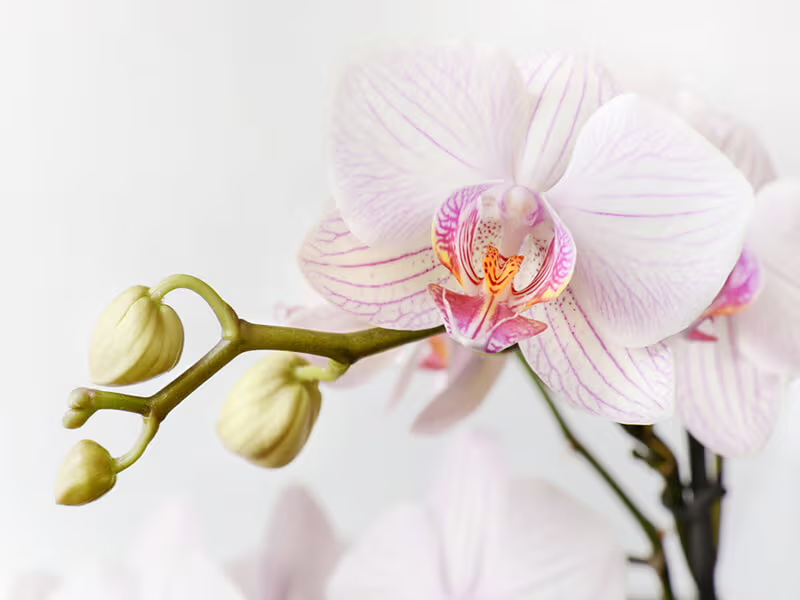
Introduction to Phalaenopsis
Phalaenopsis is one of the most popular and widely cultivated orchid species in Italy, recognized by its delicate flowers resembling butterflies. With over 50 species originating from Asia and the Pacific Islands, this epiphytic plant has gained a reputation for being particular about its care.
Description of Phalaenopsis
Originating from tropical regions, Phalaenopsis gets its name from the Greek words “phalaen” meaning butterfly, and “opsis” meaning similar to. Its flowers can be vibrant colors with impressive size, reaching up to 10 centimeters in diameter. With large, thick leaves and aerial roots, this orchid has a unique appearance.
Characteristics of Phalaenopsis
Phalaenopsis is a monopodial plant, having only one rhizome that produces the leaves and stems. These leaves are oval-shaped and symmetrical, being relatively resistant to pests and diseases. The flowers come in various colors depending on the species but are generally quite large and vibrant.
Stem Structure of Phalaenopsis
The stem is topped with an inflorescence that can vary from 8 to 10 centimeters in length. Sometimes, a “keiki” emerges – a small new plantlet that develops roots and leaves over time, if properly cared for. Aerial roots are also present, which might appear white or green due to photosynthesis.
Care Requirements of Phalaenopsis
Proper placement is essential when caring for Phalaenopsis. High temperatures (28°C) and humidity levels are required, especially during winter months. Avoid direct sunlight, using sheer curtains instead. Humidifying the environment ensures the orchid thrives in a humid tropical climate.
Watering Needs of Phalaenopsis
Water carefully to avoid root rot. The best approach is to monitor the leaves and adjust your watering schedule accordingly. If the roots start turning gray, it’s time to water. Use filtered or rainwater to avoid mineral buildup that could harm the plant.
Pruning for New Growth
After blooming, Phalaenopsis needs a bit of pruning to promote new growth. Cutting back the stem can lead to smaller flowers but more abundant blooms in the following year. Alternatively, trimming just above the node preceding the flower will result in larger, longer-lasting blooms.
Yellowing Leaves: A Normal Phenomenon
If you notice yellow leaves, don’t panic! This is a natural part of the plant’s life cycle. As older leaves age and wither, they turn yellow and fall off to make way for new growth. However, if leaves are turning yellow unevenly or before their time, it could be an indicator of a problem.
Understanding Pests and Diseases
Phalaenopsis is susceptible to pests like mealybugs, spider mites, and scale. Regularly inspect your orchid for signs of infestation and treat promptly. Fungal diseases like root rot and leaf spot can also occur if the plant is overwatered or exposed to high humidity.
Conclusion
Caring for Phalaenopsis demands attention to detail but can be rewarding when done correctly. By understanding the plant’s needs and requirements, you can enjoy these beautiful orchids in your home for years to come.
Frequently Asked Questions (FAQs)
- What is the ideal temperature range for Phalaenopsis?
Answer: The ideal temperature range for Phalaenopsis is between 28°C and 30°C during the day, with a slight drop at night. Avoid placing your orchid near heating or cooling vents, fireplaces, or drafty windows.
- How often should I water my Phalaenopsis?
Answer: Monitor your plant’s leaves to determine when it needs watering, adjusting your schedule accordingly. If the roots start turning gray, it’s time to water. Watering once a week is usually sufficient for most Phalaenopsis plants.
- Can I put my Phalaenopsis near direct sunlight?
Answer: No, direct sunlight can cause damage to the leaves and flowers. Use sheer curtains or blinds to filter the sun’s rays, especially during peak hours. East- or west-facing windows are ideal for Phalaenopsis.
- What type of potting mix is best for Phalaenopsis?
Answer: A well-draining potting mix with a slightly acidic pH (around 6-7) is recommended for Phalaenopsis. Avoid using regular potting soil, as it can retain too much water and cause root rot.
- How often should I repot my Phalaenopsis?
Answer: Repot your orchid every year in the spring when it becomes pot-bound, using fresh potting mix and a slightly larger pot if necessary. This will give the roots room to grow and help maintain overall health.
- Can I propagate Phalaenopsis through division or keiki?
Answer: Yes, you can propagate Phalaenopsis by dividing the rhizome or allowing a keiki to develop its own roots and leaves before replanting it in new soil. Use a sterile tool to cut the divisions, making sure each piece has at least one node.
- What is the most common problem with Phalaenopsis?
Answer: Overwatering is the most common cause of death for Phalaenopsis, so be careful not to give your plant too much water. Check the roots regularly and adjust your watering schedule accordingly.
- How can I ensure my Phalaenopsis stays healthy and thriving?
Answer: Regularly inspect your orchid for signs of pests or diseases, maintain proper temperature and humidity levels, provide filtered light and regular watering to keep it happy and healthy. Fertilize sparingly during the growing season (spring-fall) with a balanced, water-soluble fertilizer.
Advanced Care Techniques
For experienced growers, Phalaenopsis can be grown using various advanced techniques:
- Hydroponics: Growing your orchid in a hydroponic system can provide precise control over nutrient levels and watering schedules.
- Aeration: Providing adequate air circulation around the plant can help prevent fungal diseases and promote healthy growth.
- Misting: Regular misting with distilled water can maintain high humidity levels and encourage blooming.
Common Mistakes to Avoid
To ensure your Phalaenopsis thrives, avoid common mistakes:
- Overwatering: This is the most common cause of death for Phalaenopsis. Be cautious when watering your plant.
- Underwatering: Similarly, make sure not to underwater your orchid, as this can also lead to root damage and plant decline.
- Lack of Humidity: Maintaining high humidity levels is crucial for Phalaenopsis growth and blooming.
- Insufficient Light: While direct sunlight should be avoided, ensure your orchid receives sufficient indirect light.
Conclusion
Caring for Phalaenopsis requires attention to detail but can be rewarding when done correctly. By understanding the plant’s needs and requirements, you can enjoy these beautiful orchids in your home for years to come.


