
Introduction to the Problem
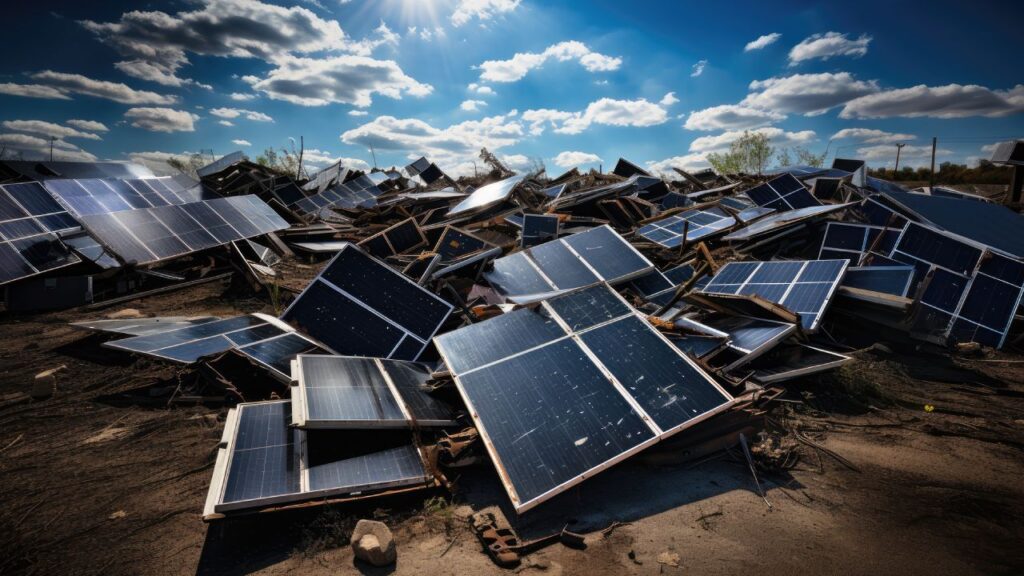
As the world continues to shift towards renewable energy sources, the production and disposal of solar panels have become a pressing concern. The lifespan of a typical solar panel installation is between 20-25 years, but many businesses fail to utilize their full potential, leading to an increasing amount of waste in the industry.
The environmental impact of this waste cannot be overstated. Solar panels are made from non-renewable materials such as silicon and copper, which must be extracted from the earth using energy-intensive processes. Furthermore, when these panels reach the end of their lifespan, they must be disposed of in an environmentally responsible manner to prevent harm to humans and wildlife.
The EU’s Directive on Waste Electrical and Electronic Equipment
In line with the European Union’s directive on waste electrical and electronic equipment (WEEE), manufacturers are now responsible for ensuring the proper disposal of solar panels. The WEEE directive requires that all companies, including those producing solar panels, take back used products and recycle or dispose of them in an environmentally friendly manner.
This directive has significant implications for businesses involved in the production and sale of solar panels. Companies must now ensure that they are compliant with WEEE regulations, which can be a complex and costly process.
The Challenges of Solar Panel Recycling
One of the main hurdles in recycling solar panels is their complex composition. A typical solar panel consists of multiple layers, including a metal frame, glass cover, and semiconducting material (silicon). This complexity makes it difficult to separate and recover valuable materials from the waste.
Another challenge facing solar panel recyclers is the lack of standardization across different types of panels. Different manufacturers use varying materials and construction methods, making it harder to develop effective recycling processes.
The Benefits of Solar Panel Recycling
Despite these challenges, recycling solar panels can be an attractive business opportunity. The recovery and resale of raw materials from old panels can provide a significant revenue stream for companies involved in this process. For example, from a single discarded panel, it is possible to extract:
- 15 kg of glass (vetro)
- 2.8 kg of plastic
- 2 kg of aluminum
- 1 kg of silicon powder
- 140 grams of copper
These recovered materials can then be sold on the market and used in various applications, such as:
- Glass: Used to make new glass products, such as bottles or containers.
- Aluminum: Recycled into aluminum scrap, which is used to produce new aluminum products.
- Copper: Sold on the market and used in electrical wiring, plumbing, and other applications.
The Recycling Process
The recycling process for solar panels can be broken down into several stages, including:
1. Disassembly and Transportation
Solar panels are disassembled, and the components are transported to a specialized facility.
2. Preliminary Treatment or Separation
A mechanical separation process removes the glass from other materials in the panel’s structure.
This step is critical in identifying the various components within the solar panel, such as copper wiring, aluminum frames, and silicon cells. The separation of these materials allows for more efficient processing and recycling.
3. Thermal Processing
Thermal treatment processes break down the various materials within the panel.
For instance, copper, silicon, and plastics are separated from the cell’s supporting material. This process can be done using heat or other forms of energy to break down the materials.
Alternative Recycling Methods
Researchers have been exploring alternative recycling methods for solar panels, including those that utilize fluidized bed reactors. These innovative approaches offer promising results in terms of efficiency and environmental sustainability.
One such method involves the use of nanotechnology to break down the silicon cells within the panel. This process can be more energy-efficient than traditional thermal processing methods.
Another approach is the development of advanced recycling facilities that can handle a wider range of solar panels, including those with different materials and construction methods.
Challenges in Implementing Alternative Recycling Methods
While alternative recycling methods show promise, there are several challenges to implementing them on a large scale. These include:
- Higher initial investment costs
- Limited availability of specialized equipment
- Training and education for workers involved in the process
- Potential environmental impacts associated with energy consumption
Conclusion: A Call to Action
As the demand for renewable energy continues to grow, it is imperative that we prioritize responsible waste management practices, particularly when it comes to solar panel recycling. By embracing this challenge, we can unlock new business opportunities while contributing to a more sustainable future.
We must encourage businesses to adopt environmentally friendly practices and invest in research and development of new recycling technologies. Furthermore, governments should provide incentives for companies involved in the recycling industry, such as tax breaks or subsidies, to support their efforts.
Ultimately, the recycling of solar panels is not just an environmental issue but also a business opportunity. By working together, we can create a more sustainable future for generations to come.


