
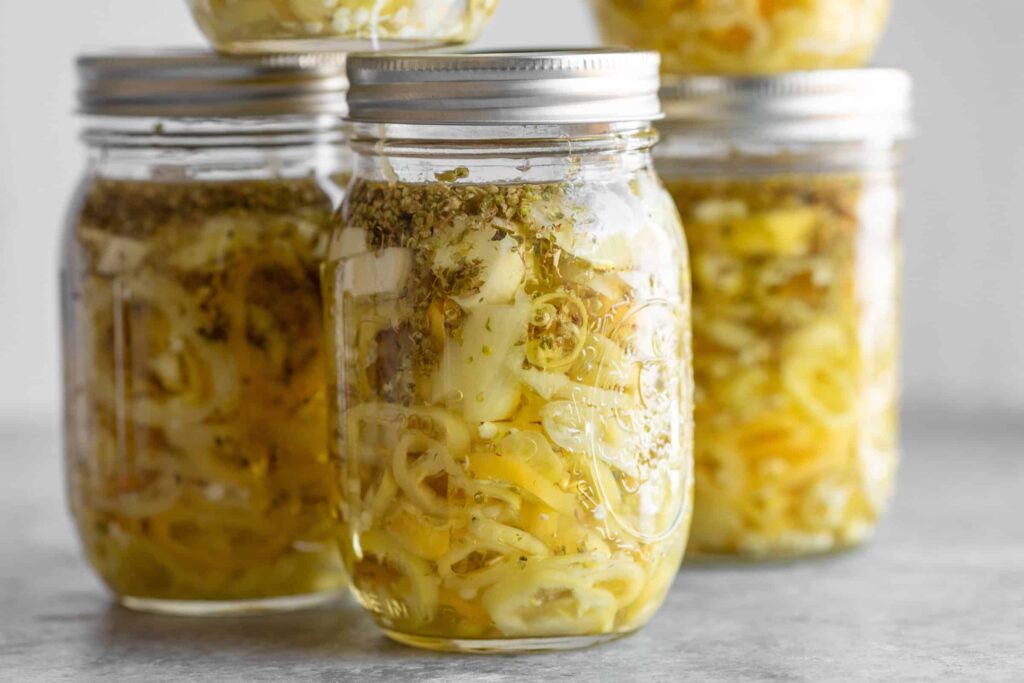
Peperoni sott’olio, the Italian art of preserving peppers in oil. This versatile ingredient is a staple in many Italian kitchens, perfect for adding flavor to paninis, as a side dish, or even as a topping for pasta dishes. However, with their delicate nature, it’s essential to know how to preserve them correctly.
Why Peperoni Sott’olio is a Must-Have Ingredient
Peperoni sott’olio are not only delicious but also packed with nutrients and antioxidants. They’re an excellent source of vitamin C, potassium, and fiber, making them a great addition to a healthy diet. Moreover, they add a burst of flavor and color to any dish, making them a staple in many Italian recipes.
Choosing the Right Peppers
When selecting peppers for peperoni sott’olio, it’s crucial to choose high-quality ones. Look for large, firm peppers with no signs of bruising or damage. Opt for red or yellow peppers, as they have a sweeter flavor and a more intense color. If you’re using organic peppers, make sure they’re free from pesticides and other chemicals.
The Importance of Timing
Peperoni sott’olio are best consumed within 3-4 days of purchase, as they’re sensitive to light, heat, and moisture. To extend their shelf life, it’s essential to preserve them correctly using our recipe.
The History of Peperoni Sott’olio
Peperoni sott’olio have been a staple in Italian cuisine for centuries. The process of preserving peppers in oil dates back to the 16th century, when Italian farmers would use olive oil to preserve their homegrown peppers during the winter months. Over time, peperoni sott’olio became a popular ingredient throughout Italy, used in various dishes and enjoyed by people from all walks of life.
The Science Behind Peperoni Sott’olio
Peperoni sott’olio are made possible through the process of lacto-fermentation, where the natural bacteria on the peppers break down the sugars and create lactic acid. This process helps to preserve the peppers in oil, creating a tangy and flavorful condiment that’s rich in antioxidants.
Peperoni Sott’olio Recipe: A Step-by-Step Guide
To make peperoni sott’olio, you’ll need the following ingredients:
- 1 kg of red or yellow peppers
- 1 liter of white wine vinegar
- 1 liter of water
- Extra virgin olive oil
- 2 cloves of garlic, minced
- 1 pepperoncino, sliced
- 3 tablespoons of salt
- A handful of pine nuts
Step-by-Step Instructions
- Prepare the Peppers: Wash and dry the peppers thoroughly under running water. If using organic peppers, soak them in a solution of water and bicarbonate to remove any pesticide residue.
- Remove the Seeds and Membranes: Cut the peppers in half and remove the seeds and membranes. Slice them into thin strips.
- Create the Brine: In a large pot, combine the vinegar, water, and salt. Bring the mixture to a boil, then reduce the heat and add the sliced garlic and pepperoncino.
- Add the Peppers: Add the pepper strips to the brine and cook for 3-4 minutes, or until they’re slightly tender.
- Strain and Cool: Remove the peppers from the brine with a slotted spoon and let them cool on a clean towel.
- Fill the Jars: Fill sterilized jars with the pepper strips, garlic, and pine nuts. Pour enough olive oil over the top to cover the ingredients completely.
- Seal the Jars: Close the jars tightly and store them in a cool, dark place for at least 1 month before consumption.
Tips and Variations
- Store peperoni sott’olio in a dry, cool place to maintain their flavor and texture.
- Experiment with different types of peppers, garlic, and herbs to create unique flavor profiles.
- Use peperoni sott’olio as a topping for pasta dishes, pizzas, or salads.
Frequently Asked Questions
Q: How long can I store peperoni sott’olio?
A: Peperoni sott’olio can be stored for up to 6 months in the refrigerator. Allow them to come to room temperature before serving.
Q: Can I use other types of vinegar instead of white wine vinegar?
A: Yes, you can use apple cider vinegar or balsamic vinegar as a substitute. However, keep in mind that the flavor may vary slightly.
Q: How do I make peperoni sott’olio without a pressure canner?
A: You can still make peperoni sott’olio without a pressure canner by using a water bath canner or a slow cooker. However, be sure to follow safe canning practices to avoid spoilage.
Q: Can I add other ingredients to the brine?
A: Yes, you can experiment with different herbs and spices to create unique flavor profiles. Some popular options include basil, oregano, and chili flakes.
Using Peperoni Sott’olio in Your Cooking
Peperoni sott’olio are a versatile ingredient that can be used in various dishes. Here are some ideas for using peperoni sott’olio:
- Pasta Dishes: Add sliced peppers to pasta dishes for an added burst of flavor and color.
- Pizza Toppings: Use peperoni sott’olio as a topping for pizzas, adding a tangy and flavorful element to your favorite pizza recipe.
- Salad Dressings: Mix peperoni sott’olio with olive oil and vinegar to create a delicious salad dressing.
- Marinades: Use peperoni sott’olio as a marinade for chicken or beef, adding a rich and tangy flavor to your grilled meats.
Conclusion
Peperoni sott’olio are a delicious and versatile ingredient that can add flavor and color to any dish. By following our recipe and using high-quality ingredients, you can create a delicious and authentic Italian condiment that’s perfect for pasta dishes, pizzas, salads, or as a topping for bruschetta. Whether you’re a seasoned chef or a beginner cook, peperoni sott’olio are sure to become a staple in your kitchen.


