
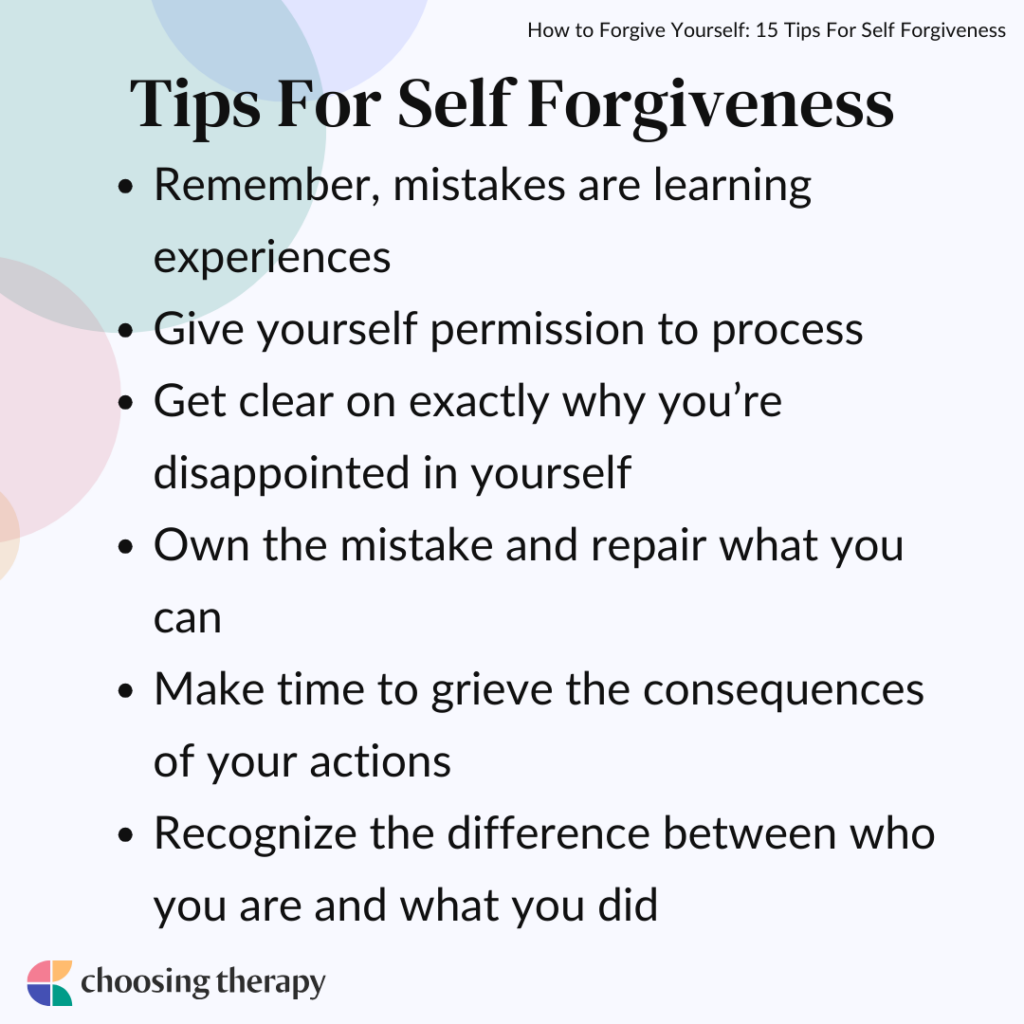
When we talk about forgiveness, we often think of a past wrong that still hasn’t fully sunk in or a sense of guilt that we can’t shake. Difficult as it may be to realize that the first person who needs to be forgiven is often us – with small things, maybe, or ways of doing things that we criticize ourselves for, but maybe not tolerate others’ mistakes or perceived shortcomings.
It’s easy to get caught up in a cycle of self-criticism, constantly dwelling on what didn’t go as planned and wondering why we can’t seem to meet our own expectations. But forgiveness is possible, and it doesn’t mean losing momentum or giving up on making things better. Forgiveness is about letting go of the past and moving forward.
Understanding Your Goal
Before you start working on forgiving yourself, it’s essential to understand what your goal is. Don’t lower your standards or give up on your aspirations, but instead, try to see things from a different perspective and reevaluate how you’re approaching challenges. When we judge ourselves too harshly, we can become mired in self-doubt and negativity.
Take a step back and ask yourself: “What did I do well?” Focus on the strengths and accomplishments, rather than dwelling on perceived weaknesses or shortcomings. By shifting your focus to what you’ve achieved, you can begin to let go of guilt and shame.
Techniques for Forgiving Yourself
Here are six steps to help you forgive yourself:
1. Stop Ruminating
Mental rumination is a common habit that’s hard to break, but it only leads to more stress and anxiety. Instead of dwelling on past mistakes or perceived shortcomings, focus on the present moment. Concentrate on what you can control, rather than getting bogged down in worries about the future.
2. Accept Your Emotions
It’s essential to acknowledge your emotions, especially negative ones like guilt, shame, or anger. By accepting these feelings, you can begin to process them and move forward.
3. Cultivate Relationships
Surrounding yourself with people who support and encourage you is vital for personal growth. Nurture your relationships and make time for social connections – it’s essential for maintaining emotional balance and well-being.
4. Develop a Ritual of Forgiveness
Creating a symbolic gesture or ritual can help you mark the beginning of your forgiveness journey. This could be as simple as taking a few deep breaths, writing in a journal, or practicing meditation.
5. Accept Yourself in the Present
It’s essential to acknowledge what you can’t change and focus on improving yourself rather than trying to fix past mistakes. By accepting your limitations, you can begin to let go of guilt and shame.
6. Practice Self-Compassion
Treat yourself with kindness and compassion, just as you would a close friend. Be gentle with yourself, and remember that everyone makes mistakes – it’s an inevitable part of growth and learning.
Why Forgiveness Matters
Forgiving yourself is not only beneficial for your mental health but also has significant social benefits. When we practice self-forgiveness, we become more empathetic, positive, and understanding towards others. By letting go of guilt and shame, you can break free from the cycle of negativity and focus on personal growth.
Advice for Getting Started
If you’re ready to take the first step towards forgiveness, consider reading “The Power and Magic of Forgiveness” or watching a documentary like “Nessuno mi può giudicare”.
Remember that forgiveness is a journey, not a destination. Be patient with yourself, and don’t be afraid to seek support from loved ones or professionals if needed.
Frequently Asked Questions
Q: Is self-forgiveness easy?
A: Forgiving yourself is challenging, but it’s possible. It requires effort, patience, and self-compassion.
Q: Why is self-forgiveness important?
A: Self-forgiveness is essential for mental health, well-being, and personal growth. By letting go of guilt and shame, you can break free from negativity and focus on positive change.
Q: Can I forgive myself if I’ve hurt someone else?
A: Yes, forgiveness is possible even when it comes to harming others. However, it’s essential to prioritize the person who was harmed and work on making amends.
Q: How do I know if I’m ready to forgive myself?
A: You’ll know you’re ready when you feel a sense of acceptance and understanding towards yourself. It might take time, but with effort and self-compassion, you can work towards forgiveness.
Q: Can self-forgiveness help me with anxiety or depression?
A: Yes, practicing self-forgiveness can have a significant impact on mental health. By letting go of guilt and shame, you can reduce stress and anxiety.
Q: Is self-forgiveness a one-time event or an ongoing process?
A: Forgiveness is often an ongoing process that requires effort and self-compassion. Be patient with yourself, and remember that it’s okay to take things one step at a time.
Common Obstacles to Forgiving Yourself
There are several common obstacles that can prevent you from forgiving yourself:
- Negative self-talk
- Perfectionism
- Fear of failure
- Lack of self-compassion
- Unresolved trauma
Overcoming Common Obstacles
To overcome these obstacles, consider the following strategies:
- Challenge negative self-talk by reframing negative thoughts into positive ones.
- Practice self-compassion by treating yourself with kindness and understanding.
- Focus on progress rather than perfection, and celebrate small wins along the way.
- Develop a growth mindset by viewing failures as opportunities for learning and growth.
- Seek support from loved ones or professionals if you’re struggling to forgive yourself.
Forgiving Yourself in Different Situations
Forgiveness is not just limited to personal relationships; it can also apply to situations where we’ve made mistakes or failed to meet expectations. Here are some examples:
- Apologizing to others: Forgiving yourself for hurting someone else can be a powerful step towards healing and reconciliation.
- Letting go of past regrets: Forgiving yourself for past decisions or actions can help you move forward and focus on the present moment.
- Overcoming self-doubt: Forgiving yourself for not meeting expectations can help you build confidence and develop a more positive self-image.
Conclusion
Forgiving yourself is an essential part of personal growth and development. By letting go of guilt and shame, you can break free from negativity and focus on positive change. Remember that forgiveness is a journey, not a destination, and it requires effort, patience, and self-compassion.


