
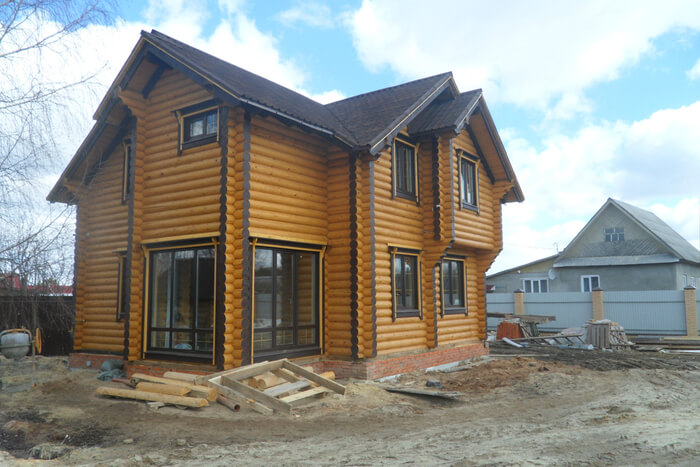
What is Wood Construction?
Wood construction has been a popular choice for building homes, especially in the past few decades. However, it’s essential to consider the pros and cons of this material before making a decision. In this article, we’ll explore the benefits of wood construction, its eco-friendliness, and how it compares to other materials.
The Importance of Durability and Quality
When it comes to buying a wooden house, it’s crucial to prioritize durability and quality over price. A well-built wooden house can last for decades with minimal maintenance. Look for houses with a solid foundation, sturdy walls, and a waterproof roof to ensure a comfortable living space.
Factors Affecting the Price of Wooden Houses
The cost of a wooden house depends on several factors:
- Size: Larger houses require more materials and labor.
- Design: Custom designs can increase costs due to the complexity of the project.
- Type of wood: Different types of wood have varying prices, with sustainable options like bamboo being more affordable.
- Garanties: Look for builders who offer warranties on their workmanship and materials.
- Insulation: Proper insulation is crucial for maintaining a comfortable temperature.
The Benefits of Wooden Houses
There are several advantages to choosing a wooden house:
- Reduced Construction Time: Wooden houses can be built quickly, often in as little as 60 days. This reduces the time spent on waiting for construction to finish.
- Sismic Resistance: Wooden walls absorb seismic shocks, reducing the risk of damage from earthquakes.
- Flexibility: Wooden houses can be easily modified or expanded if needed.
- Ecological Sustainability: Wooden houses are made from renewable resources and require less maintenance than other materials.
The Importance of Thermal Insulation
A well-insulated wooden house is essential for maintaining a comfortable temperature. Look for houses with a solid roof, walls that meet the necessary insulation standards, and windows that provide natural light while keeping heat out.
Eco-Friendly Options
To ensure your wooden house is eco-friendly, consider the following:
- Use sustainable wood: Choose trees that are certified by organizations like the Forest Stewardship Council (FSC).
- Avoid chemicals: Opt for non-toxic paints and finishes to minimize environmental impact.
- Recycle materials: Consider repurposing or recycling materials during construction.
A Look at Our Wooden Houses
Visit our website to explore our collection of wooden houses, each with its unique features and benefits. Whether you’re looking for a sustainable, eco-friendly option or simply want a beautiful home that’s easy on the wallet, we’ve got you covered.
FAQs
- What is the average cost of building a wooden house?
- The cost depends on various factors like size, design, and materials used.
- How long does it take to build a wooden house?
- Construction time can vary from 60 days for smaller houses to several months or even years for larger projects.
- Are wooden houses resistant to seismic activity?
- Yes, wooden walls can absorb seismic shocks, reducing the risk of damage during earthquakes.
Innovative Wood Products
New technologies and innovations have led to the development of high-performance wood products that offer improved durability and sustainability. Some examples include:
- Engineered wood: This type of wood is made by combining wood fibers with adhesives to create a strong, stable material.
- Cross-laminated timber (CLT): CLT is a type of engineered wood that consists of layers of wood pressed together to form a solid panel. It’s lightweight and resistant to warping.
Green Building Methods
To reduce the environmental impact of building with wood, consider using green building methods:
- Passive solar design: This approach involves designing buildings to maximize natural light and heat from the sun.
- Rainwater harvesting: Collecting rainwater for use in irrigation and toilet flushing reduces the demand on municipal water supplies.
The Role of Wood in Sustainable Development
Wood plays a critical role in sustainable development by:
- Sequestering carbon: Trees absorb carbon dioxide from the atmosphere, contributing to reduced greenhouse gas emissions.
- Supporting biodiversity: Wooden homes can be designed to incorporate natural materials and features that promote local ecosystems.
Challenges and Limitations
While wood construction offers many benefits, there are also challenges and limitations to consider:
- Pest control: Wooden houses can be susceptible to pest infestation, particularly if not properly treated.
- Fire risk: Wood is a combustible material, posing a fire hazard if not used correctly.
Conclusion
Building with wood is a sustainable and economical solution for housing. By choosing durable and high-quality materials, you can create a beautiful home that’s eco-friendly and comfortable to live in. With the benefits of reduced construction time, seismic resistance, flexibility, and ecological sustainability, wooden houses are an excellent choice for those looking for a more environmentally friendly option.
Additional Resources
For further information on building with wood, we recommend checking out the following resources:
- National Association of Home Builders (NAHB): The NAHB is a trade association that provides resources and guidance on building with wood.
- U.S. Department of Agriculture (USDA): The USDA offers information on sustainable forestry practices and renewable energy sources.
By choosing to build with wood, you’re not only creating a beautiful home but also contributing to a more sustainable future for generations to come.


