
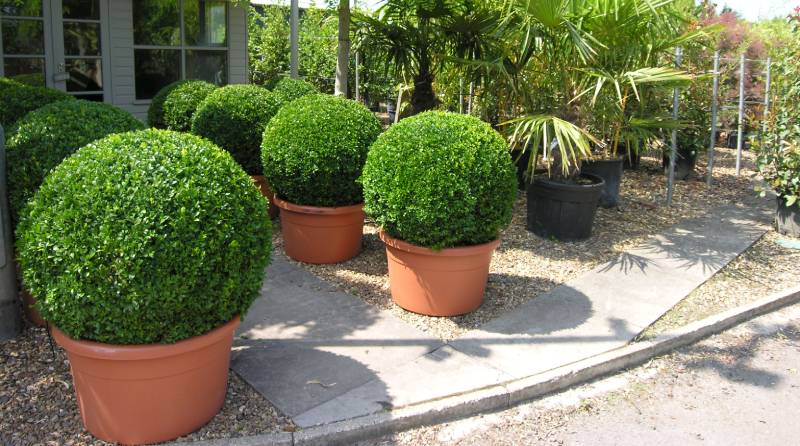
Topiary, often misunderstood as a technique used solely for pruning topiaries, is actually an art form that involves shaping and training plants to create beautiful and intricate designs. This ancient practice has been around since the Roman era, when people would grow plants on metal supports to create specific shapes. Today, topiary is still a popular hobby and profession, with many gardeners and designers using this technique to add beauty and interest to their outdoor spaces.
A Brief History of Topiary
The history of topiary dates back to the ancient Roman era, where people would grow plants on metal supports to create specific shapes. This practice was continued through the Middle Ages and into modern times, with many famous gardens and parks featuring topiary designs. One notable example is the Temple of Peace in Rome, built under the reign of Emperor Vespasian.
The art of topiary has also been influenced by various cultures throughout history. For instance, in Japan, topiary was used to create intricate designs and sculptures using plants like bonsai trees. In Europe, topiary was used to create formal gardens and parks, often featuring elaborate designs and shapes.
The Art of Topiary: Techniques and Tools
Topiary is not a technique that can be learned overnight. It requires patience, skill, and attention to detail. To create beautiful topiary designs, one must first choose the right plants and tools.
- Choosing the Right Plants: The ideal plants for topiary are those with compact growth habits, such as holly, boxwood, and lavender. These plants can be shaped into various forms, from geometric shapes to animals and objects.
- Creating Topiary Designs: Once the right plant has been chosen, the next step is to create a design. This can be done using wire or string to guide the growth of the plant.
- Pruning: Pruning is an essential part of topiary, as it allows gardeners to maintain the shape and size of the plant.
Types of Topiary
There are several types of topiary, each with its own unique characteristics and challenges. Some popular types of topiary include:
- Formal Topiary: Formal topiary involves creating intricate designs using plants like boxwood or holly.
- Informal Topiary: Informal topiary involves creating loose, natural shapes using plants like lavender or rosemary.
- Bonsai Topiary: Bonsai topiary involves growing miniature trees in containers and shaping them into desired forms.
Tools Used for Topiary
To create beautiful topiary designs, gardeners need a variety of tools. Some essential tools used for topiary include:
- Wire: Wire is used to guide the growth of plants and create frameworks for the final design.
- Pruning Shears: Pruning shears are used to trim and shape plants, maintaining their size and shape.
- Loppers: Loppers are used to prune larger branches and stems, shaping the overall form of the plant.
Caring for Topiary Plants
To keep topiary plants healthy and thriving, gardeners need to provide regular care. Some essential tips include:
- Watering: Water your topiary plant regularly, taking care not to overwater or underwater.
- Fertilizing: Fertilize your topiary plant regularly, using a balanced fertilizer that promotes healthy growth.
- Pruning: Prune your topiary plant regularly, maintaining its shape and size.
Topiary in Modern Gardens
Today, topiary is still a popular technique used in modern gardens. It’s not just limited to formal gardens; it can also be used in informal settings, such as residential gardens and parks.
- Urban Topiary: With the increasing popularity of urban gardening, topiary has become a popular way to add beauty and interest to small spaces.
- Topiary in Parks: Many public parks feature topiary designs, adding a touch of elegance and sophistication to these outdoor spaces.
Conclusion
Topiary is an art form that requires patience, skill, and attention to detail. By choosing the right plants and tools, gardeners can create beautiful and intricate designs that add beauty and interest to their outdoor spaces. Whether you’re a seasoned gardener or just starting out, topiary is definitely worth exploring.
Frequently Asked Questions
Q: What are the best plants for topiary?
A: The best plants for topiary are those with compact growth habits, such as holly, boxwood, and lavender.
Q: How do I create a topiary design?
A: To create a topiary design, choose the right plant, use wire or string to guide its growth, and prune regularly to maintain its shape.
Q: Can anyone learn topiary?
A: Yes, anyone can learn topiary with practice and patience. Start by choosing the right plants and tools, and don’t be afraid to experiment and try new things.
Q: How often should I prune my topiary plant?
A: Prune your topiary plant regularly to maintain its shape and size. The frequency of pruning will depend on the type of plant and the desired outcome.
Q: Can I use wire to shape my topiary plant?
A: Yes, wire can be used to guide the growth of your topiary plant, creating a framework for the final design.
Q: How long does it take to create a topiary design?
A: The time it takes to create a topiary design will depend on the complexity of the design and the skill level of the gardener. With practice, anyone can create beautiful topiary designs.
Q: Can I use artificial materials to create a topiary design?
A: Yes, artificial materials such as plastic or metal can be used to create a topiary design. However, it’s essential to choose materials that are weather-resistant and durable.
Q: How do I care for my topiary plant?
A: To care for your topiary plant, make sure it receives sufficient sunlight, water regularly, and fertilize as needed. Prune regularly to maintain its shape and size.


