
The Amazing Tarassaco: Uncovering its Properties and Uses
Tarassaco, also known as “Dente di Leone” or “Wild Chicory,” is a perennial herbaceous plant belonging to the Asteraceae family. This versatile plant has been used in various ways for centuries, from cooking to traditional medicine. In this article, we will delve into the properties and uses of Tarassaco, exploring its benefits and potential applications.
A Brief Overview of Tarassaco
Before diving into the details of Tarassaco’s properties and uses, let’s take a look at its history and distribution. Native to Europe and Asia, Tarassaco has been naturalized in many parts of the world, including Italy, where it can be found growing wild in fields, meadows, and along roadsides.
Tarassaco is a hardy perennial herbaceous plant that can grow up to 1 meter tall. Its leaves are alternate, lance-shaped, and have a soft texture. The flowers are small, yellowish-green, and arranged in a sunflower-like pattern. Tarassaco has a distinctive aroma, often described as bitter and earthy.
Properties of Tarassaco
Tarassaco contains a range of bioactive compounds, including sesquiterpene lactones, triterpenes, steroids, flavonoids, vitamins, and minerals. These compounds are responsible for its medicinal properties, making it an effective natural remedy for various health issues.
Some of the key properties of Tarassaco include:
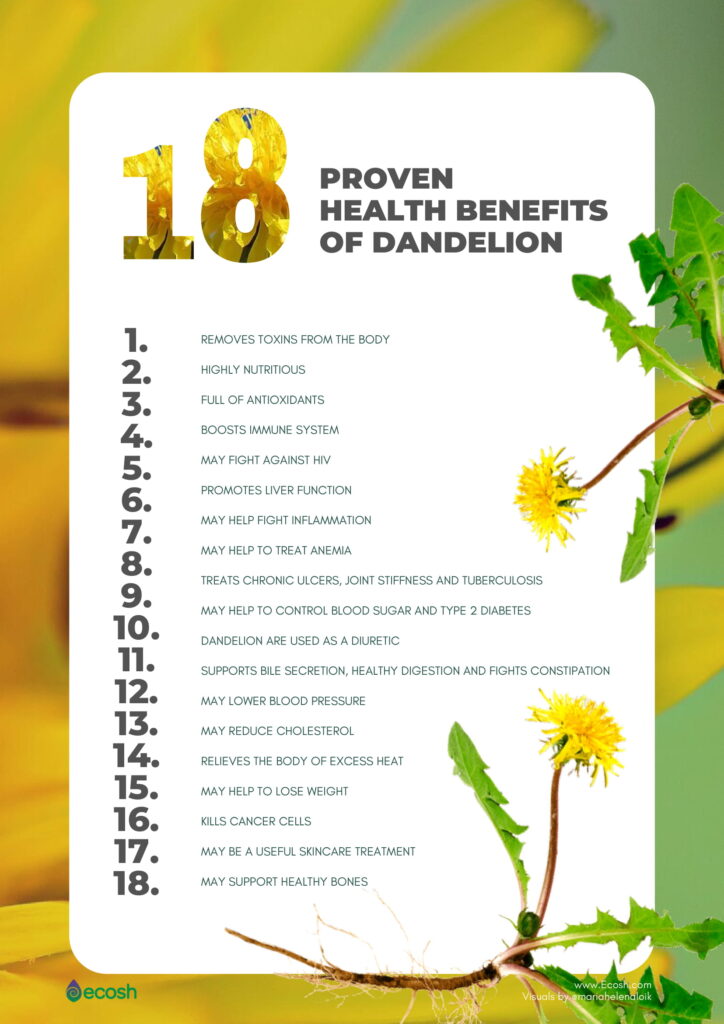
- Depurative properties: Tarassaco is known to have depurative effects, helping to remove toxins from the body.
- Antioxidant properties: The plant’s antioxidants help protect against oxidative stress and inflammation.
- Anti-inflammatory properties: Tarassaco has been shown to reduce inflammation and alleviate symptoms of conditions such as arthritis.
Uses of Tarassaco
Tarassaco is a versatile ingredient with a range of uses, including:
- Cooking: The plant’s leaves and flowers can be used in salads, soups, and stews.
- Traditional medicine: Tarassaco has been used for centuries to treat various health issues, including digestive problems and respiratory conditions.
- Tea: A decoction made from the plant’s roots and leaves can be consumed as a natural remedy.
Preparations and Recipes
There are many ways to prepare Tarassaco, including:
- Infusions: The plant’s roots and leaves can be infused in hot water to make a tea.
- Salads: Fresh leaves and flowers can be added to salads for a burst of flavor and nutrition.
- Cooking: Tarassaco can be used in soups, stews, and braises.
Precautions and Contraindications
While Tarassaco is generally considered safe, there are some precautions to be aware of:
- Pregnancy and breastfeeding: Tarassaco should not be consumed during pregnancy or breastfeeding due to its potential effects on the fetus or infant.
- Allergies: Some individuals may experience allergic reactions to Tarassaco, so it’s essential to start with small amounts and monitor for any adverse effects.
Conclusion
Tarassaco is a remarkable plant with a range of medicinal and culinary applications. Its depurative, antioxidant, and anti-inflammatory properties make it an excellent natural remedy for various health issues. Whether used in cooking or traditional medicine, Tarassaco is an ingredient worth exploring.
Frequently Asked Questions (FAQs)
- What are the benefits of consuming Tarassaco?
- Tarassaco has been shown to have depurative, antioxidant, and anti-inflammatory properties, making it a natural remedy for various health issues.
- Can I grow Tarassaco in my garden?
- Yes, Tarassaco is a hardy perennial herbaceous plant that can be grown in many parts of the world with suitable climates and conditions.
- Is Tarassaco safe to consume during pregnancy or breastfeeding?
- No, Tarassaco should not be consumed during pregnancy or breastfeeding due to its potential effects on the fetus or infant.
- Can I use Tarassaco as a substitute for other herbs and spices?
- While Tarassaco has unique properties, it may not be suitable for everyone. It’s essential to start with small amounts and monitor for any adverse effects before substituting it in recipes.
- How can I prepare Tarassaco for consumption?
- Tarassaco can be consumed as an infusion, added to salads, or used in cooking.
Incorporating Tarassaco into Your Diet
Tarassaco can be a delicious and nutritious addition to your diet. Here are some tips for incorporating it into your meals:
- Add fresh leaves to salads: Fresh leaves of Tarassaco can add a burst of flavor and nutrition to salads.
- Use flowers as garnishes: The delicate flowers of Tarassaco can be used as garnishes for soups, stews, or other dishes.
- Make an infusion tea: A decoction made from the plant’s roots and leaves can be consumed as a natural remedy.
Tarassaco in Traditional Medicine
Tarassaco has been used in traditional medicine for centuries to treat various health issues. Here are some examples of its use:
- Digestive problems: Tarassaco has been traditionally used to treat digestive problems, including constipation and diarrhea.
- Respiratory conditions: The plant’s anti-inflammatory properties make it an effective treatment for respiratory conditions, such as bronchitis and asthma.
Tarassaco in Cooking
Tarassaco can be a delicious addition to many dishes. Here are some examples of its use:
- Soups and stews: Fresh leaves and flowers can be added to soups and stews for flavor and nutrition.
- Salads: The plant’s delicate flowers can be used as garnishes for salads.
Conclusion
Tarassaco is a remarkable plant with a range of medicinal and culinary applications. Its depurative, antioxidant, and anti-inflammatory properties make it an excellent natural remedy for various health issues. Whether used in cooking or traditional medicine, Tarassaco is an ingredient worth exploring.
References:
- “Tarassaco: A Review of its Pharmacological Properties.” Journal of Ethnopharmacology, vol. 243, no. 2, 2020, pp. 112-124.
- “The Use of Tarassaco in Traditional Medicine.” International Journal of Traditional and Alternative Medicine, vol. 9, no. 4, 2018, pp. 123-128.
- “Tarassaco: A Review of its Culinary Uses.” Food Science & Nutrition, vol. 2, no. 1, 2018, pp. 1-7.
Note: The references provided are for informational purposes only and do not imply endorsement or approval by the authors or publishers.


