
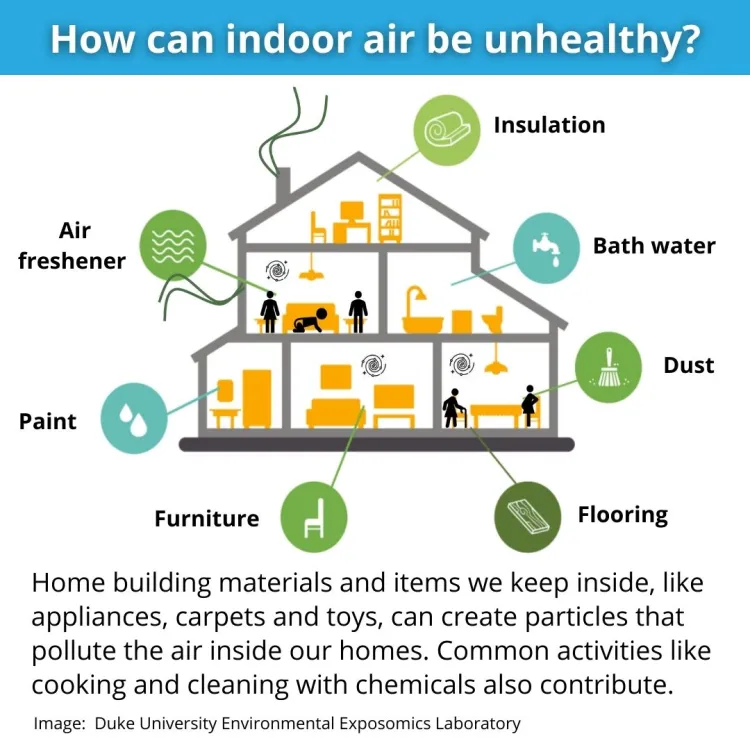
As we spend most of our time indoors, the quality of the air we breathe inside our homes and workplaces is crucial for our physical well-being. However, many factors can compromise indoor air quality, leading to a range of health problems. In this article, we’ll explore the common threats to indoor air quality, discuss the importance of maintaining good ventilation, and provide practical tips on how to improve it.
The Hidden Dangers of Indoor Air Pollution
When we think of air pollution, we often associate it with outdoor sources like traffic and industrial emissions. However, indoor air pollution is a significant concern, particularly in enclosed spaces where we spend most of our time. Poor ventilation, pollutants from household products, and biological agents can all contribute to suboptimal indoor air quality.
Some common culprits behind poor indoor air quality include:
- Volatile Organic Compounds (VOCs) from paints, adhesives, and cleaning products: These chemicals can evaporate quickly, releasing fumes that can cause eye irritation, headaches, and other health issues.
- Particulate matter (PM) from dust, mold, and pet dander: PM can exacerbate respiratory problems like asthma, and even trigger allergic reactions in some individuals.
- Bacteria, viruses, and fungi that thrive in moist environments: These microorganisms can cause a range of illnesses, from the common cold to life-threatening diseases like Legionnaires’ disease.
The Importance of Ventilation
Maintaining good ventilation is essential for removing pollutants and excess moisture from the air. Here are some tips to improve indoor air quality:
- Monitor temperature and humidity: Aim for a temperature range between 68°F and 72°F (20°C and 22°C), with an ideal relative humidity level of 45% to 55%.
- Use natural ventilation: Open windows and doors regularly, especially during mild weather conditions. This can help circulate fresh air and remove stale air from the space.
- Maintain proper airflow: Ensure that your heating, ventilation, and air conditioning (HVAC) system is functioning correctly. This includes regular filter replacements, duct cleaning, and system maintenance.
Practical Solutions for Improving Indoor Air Quality
In addition to maintaining good ventilation, there are several other steps you can take to improve indoor air quality:
- Choose low-VOC products: Opt for paints, cleaning supplies, and building materials that emit fewer VOCs. Look for products labeled as “low-VOC” or “non-toxic.”
- Use HEPA filters: High-Efficiency Particulate Air (HEPA) filters can help remove particulate matter from the air. These filters are designed to capture 99.97% of particles as small as 0.3 microns.
- Avoid strong chemicals: Limit your use of strong-smelling cleaning products or pesticides, which can release VOCs into the air. Instead, opt for natural alternatives like essential oils or baking soda.
- Improve ventilation in specific areas: Pay particular attention to areas with poor ventilation, such as bathrooms and kitchens. Consider installing a range hood or exhaust fan to remove cooking fumes and moisture.
Indoor Air Quality in Different Environments
Good indoor air quality is not just important for residential spaces; it’s also crucial for commercial environments like offices, schools, and hospitals.
- Workplaces: Maintaining good ventilation can help reduce the risk of respiratory problems and improve productivity. Consider installing an air purification system or upgrading your HVAC system to provide better airflow.
- Schools: Indoor air quality is particularly important in schools, where students are more susceptible to illness. Implementing measures like improved ventilation, regular cleaning, and reduced use of strong chemicals can help create a healthier environment.
Common Sources of Indoor Air Pollution
Some common sources of indoor air pollution include:
- Radon: A radioactive gas that can seep into homes through soil and water.
- Mold: A type of fungus that thrives in moist environments, often caused by water damage or high humidity.
- Asbestos: A group of minerals used in insulation and building materials, which can cause respiratory problems when disturbed.
Reducing Indoor Air Pollution
There are several steps you can take to reduce indoor air pollution:
- Use natural ventilation: Open windows and doors regularly to allow fresh air to circulate.
- Improve lighting: Use energy-efficient light bulbs to reduce the need for strong-smelling cleaning products.
- Reduce moisture: Fix leaks, use a dehumidifier, and ensure proper ventilation to prevent water damage.
Conclusion
Improving indoor air quality requires a combination of good ventilation, smart product choices, and regular maintenance. By understanding the risks and taking proactive steps to address them, you can create a healthier, more comfortable environment for yourself and your loved ones.
By following these tips and staying informed about indoor air quality, you can take control of your health and well-being, even in the midst of a busy and often chaotic world.


