
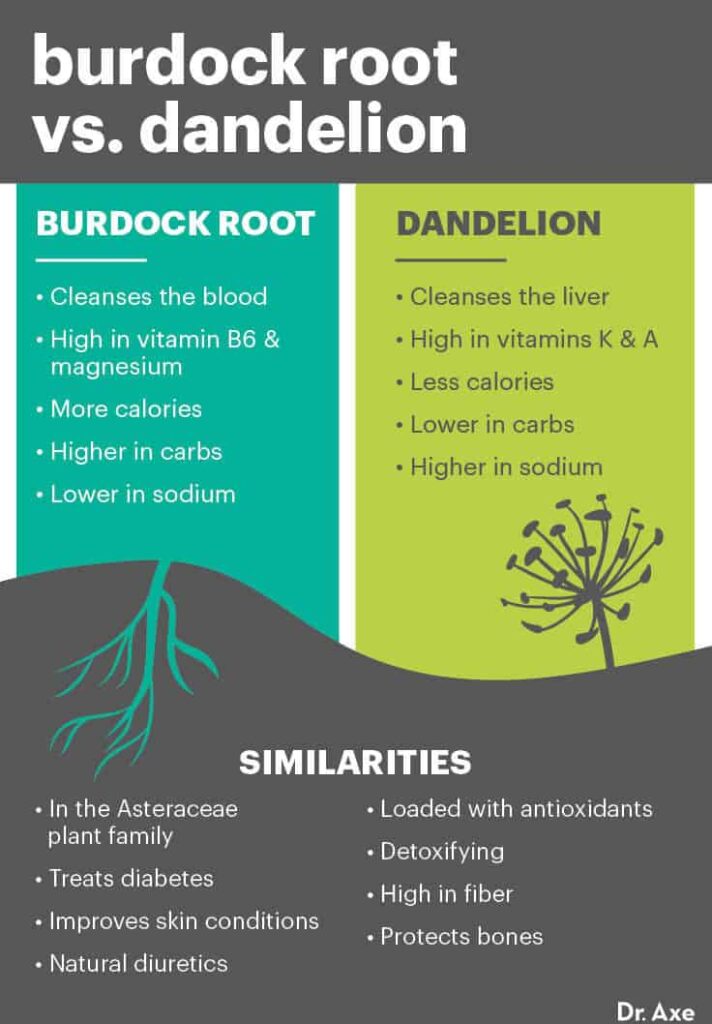
The bardana, a perennial plant from the Asteraceae family, is also known as Arctium iappa in scientific circles, and is commonly used as a remedy for various skin issues such as acne, dermatitis, eczema, seborrhea, forfora, and psoriasis.
The name “bardana” comes from the Latin word “tecnico,” which refers to another characteristic of the plant. Arctium, in Greek, means “bear,” which highlights the plant’s spiny appearance. Iappa may be derived from the Celtic language, where llap means “hand,” suggesting that the flower of the bardana resembles a hand grasping anything it comes into contact with. Iappa could also come from the Greek word, with similar logic: labein (to attach) would tell us that the fruit of this plant attaches to clothing and animal fur.
A popular note about ancient cultures: in their beliefs, the bardana was used as a cure for sterility, particularly in women who were unable to conceive. Additionally, it was believed to be an antidote for snake venom. More recently, another unique use of this plant has been discovered: by studying its peculiar shape, some experts have come up with the idea that led to the development of the velcro system.
Contents
- Bardana: Plant
- Bardana: Properties
- Bardana for Acne
- Bardana in Cooking
- Bardana: Mother Tincture
- Bardana: Tea
Bardana: Pianta
The bardana is an herbaceous, biennial, shrub-like plant with a voluminous root that splits into numerous fustis, robust and branching. The leaves of the bardana resemble a heart shape, are large, especially at their base, and gradually decrease in size but remain significantly important. The lower part of the leaf is green, while the upper part has shades of gray, and the flowers are purple but not very noticeable, bursting out in summer but blending into the vegetation.
The bardana plant is widely distributed throughout temperate Europe and Asia, including Japan, as well as Italy. It can be found in areas with poor soil, especially near old walls and paths, becoming almost invasive near these sites.
Bardana: Properties
As a dermopatic plant, the bardana is highly recommended for treating various skin disorders, including those related to biological imbalances or metabolic disorders. This characteristic is linked to the presence of polyunsaturated compounds, phenolic acids with antibacterial, antifungal, and anti-inflammatory properties. These make it an excellent choice for conditions such as seborrhea, forfora, and psoriasis. In traditional medicine, it is also used for its depurative properties: stimulating liver and gallbladder function, acting as a hypoglycemic agent, lowering cholesterol levels, as a laxative, and antirheumatic.
The leaves of the bardana, after being crushed in spring, are mixed with water to create a succus, while the roots are harvested during autumn, containing substances such as inulin. This substance plays a purifying and draining action on the blood, eliminating toxins, hence making it useful for treating various internal organs like the liver, kidneys, intestine, and skin.
In traditional American folk medicine, seeds of this plant are mixed with water to make a decoction against gout: they enhance the immune system through polysaccharides and act as a natural antibiotic thanks to poliacetilene and phenolic acids.
Bardana per Acne
The bardana is particularly effective in treating acne. It is preferred by those who want to purify their skin, especially if it’s mixed skin, with oiliness and impurities causing acneous manifestations and dilated pores. They are looking for a detoxifying, draining, and cleansing remedy for the liver, veins, and blood vessels. In short, they need bardana.
It can be used topically, externally, by creating a paste through mixing argilla (clay) with 20 drops of mother tincture of bardana, 2 drops of lavender essential oil, and 5 drops of geranium oil. Applying the mask and allowing it to act for 15-20 minutes before rinsing off with warm water.
To finalize, a decoction of bardana can also be used to tone up the skin. If not using a face mask like this one, you can opt for mother tincture (30 drops three times a day) or a decoction (two cups per day), avoiding meals.
Additionally, applying fresh leaves of bardana crushed and applied directly on insect bites can also provide relief, calming pain and reducing swelling quickly.
Bardana in Cucina
It is not its primary use, but this plant can be eaten in every part: leaves, roots, and seeds. In Japan, it’s considered a common vegetable and known as gobo, while in general Eastern traditions there’s a rich tradition of recipes including bardana. There are also culinary traditions where the stalks are eaten raw, either in salads after removing their outer bark and only when the plant is young.
Bardana: Tintura Madre
The mother tincture of bardana is a concentrated food supplement made from bardana. 40 drops (2ml) contain 200mg of bardana.
It’s a practical way to take this herbal remedy that detoxifies and benefits the liver.
On Amazon, you can find examples like this from Naturalma, a company specializing in natural remedies, which produce vegan integrators without any artificial ingredients. The mother tincture of Naturalma is made with macerated glyceric extract or pure fluid extract of bardana (Arctium lappa) root and leaves. All products by Naturalma are registered at the Italian Ministry of Health.
Here’s an image of the product packaging.
Bardana: Tisana
An infusion of bardana away from meals is a great detoxifier with draining and purifying effects for the skin. A tablespoon of radish root, minced, can be boiled in water and then left to infuse for 10 minutes. The decoction can also be used as a lotion that works on greasy, suffocating skin, acne-prone skin, or skin prone to blackheads or seborrhea.
Bardana in Capsules
Another way to benefit from the properties of bardana is through specific integrators in capsule form.
Here you can find examples like this from Naturalma, where a bottle of 200 capsules at 400mg of bio-produced bardana root is available. To achieve optimal results, take 2-3 capsules daily with a glass of water during meals and always as part of an balanced diet.
You might also be interested in the following related articles:
- List of medicinal plants: their properties
- Passiflora
- Hawthorn: when to take it
- Agave: plant and flower
- Damiana: effects and contraindications
Pubblicato da Marta Abbà il 30 Agosto 2022


