
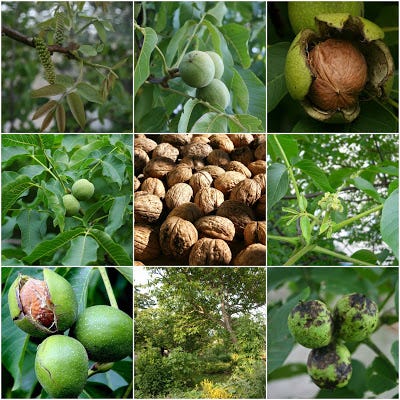
As an Italian tradition, cultivating walnut trees is a must for us Italians, despite the significant decline in nut production over the past three decades. To put it into perspective, only in the 1970s did we produce more than 80,000 tons of walnuts, whereas today we only produce around 15,000 tons.
The main region producing walnuts in Italy remains Campania, but recent trends are shifting towards Emilia-Romagna, where advanced agricultural techniques are being applied. However, for those interested in growing walnut trees themselves, let’s dive into the process of cultivating these magnificent trees.
Understanding the Importance of Walnut Tree Cultivation
To understand why cultivating walnut trees is crucial, we need to consider their potential as a valuable crop. Walnuts have numerous health benefits and can be used in various culinary applications. They are an excellent source of antioxidants, vitamins, and minerals, making them a great addition to any diet.
Walnut trees also play a significant role in the ecosystem, providing habitat for various species of birds, bees, and other pollinators. Moreover, they help maintain soil health through their extensive root system, which acts as a natural nutrient filter.
Choosing the Right Location
Before planting your walnut tree, it’s essential to select a location with the right conditions. The tree can grow up to 25-30 meters tall, so choose a spot where you have enough space and can accommodate its expansive, globular shape. Additionally, consider the sun exposure, as walnut trees need full sun to partial shade.
When selecting a location, keep in mind the following factors:
- Soil type: Walnut trees prefer well-draining, fertile soil with a pH between 6.0 and 7.0.
- Moisture levels: Walnut trees require adequate moisture, especially during the first year after planting.
- Wind protection: Avoid planting walnut trees in areas exposed to strong winds, which can cause damage to the tree’s canopy.
Preparing the Site
To prepare the site for planting, dig shallow trenches with a depth of 12-15 cm. This will allow for adequate root growth, ensuring your tree’s health and productivity. Keep in mind that walnuts have an extensive root system, so provide enough space for them to spread out.
It’s also essential to remove any debris or weeds from the planting area before installing the tree. Use a mix of compost and organic matter to enrich the soil, creating a nutrient-rich environment for your walnut tree to thrive.
The First Year: Establishing the Tree
In the first year, you’ll need to install a 2.5-3 meter tall wooden stake to support the tree as it grows. This will help maintain its structure and promote healthy growth. Remove any weak or damaged branches during this period.
During the first year, also keep an eye out for pests and diseases that can harm your walnut tree. Regularly inspect the tree for signs of infestation or disease, taking action promptly if necessary.
Pruning and Training (Year 1)
Perform two pruning interventions in the first year: one at 20-25 cm when the shoots emerge, and another in July. Prune to create a central leader, eliminating pollens and reducing other branches to 1-2 leaves on the main stem. This technique helps stimulate the tree’s natural growth pattern.
Pruning also plays a significant role in maintaining the overall health and productivity of your walnut tree. Regular pruning ensures that the tree remains balanced and strong, reducing the risk of disease and pests.
Pruning and Training (Year 2)
In the second year, repeat the pruning process, removing weak or damaged branches and limiting pruning to 1-2 cm from the trunk. As your tree grows, you’ll want to shape it into an open canopy with a central leader.
During this period, also consider training the tree using techniques such as espalier or vertical training. These methods can help optimize the tree’s growth pattern and increase yields over time.
Selecting the Right Walnut Variety
When choosing a walnut variety, consider its cold hardiness level (the “fabbisogno di freddo”) to ensure optimal growth and production in your region. If your tree doesn’t receive sufficient cold exposure, it may not produce walnuts due to an abnormal vegetative response.
Some popular walnut tree varieties include ‘English’, ‘Montmorency’, and ‘Black Walnut’. Each variety has its unique characteristics, advantages, and disadvantages, so research the best option for your specific needs.
Conclusion: Cultivating Walnut Trees Requires Patience and Care
Growing walnut trees is a rewarding experience that demands attention to detail and patience. By following these guidelines, you’ll be well on your way to creating a thriving walnut orchard that produces delicious nuts for years to come.
Walnut trees are a long-term investment that requires dedication and care. However, the rewards of growing your own walnuts far outweigh the challenges. With proper cultivation techniques, your tree will thrive, providing a bounty of nutritious nuts for you and your family to enjoy.
So why not give it a try? Planting a walnut tree is an exciting venture that can bring numerous benefits to your garden and your life.
Frequently Asked Questions (FAQs)
- What are the most common walnut tree varieties?
- Some popular walnut tree varieties include ‘English’, ‘Montmorency’, and ‘Black Walnut’.
- How often should I prune my walnut tree?
- Prune your walnut tree annually, with more extensive pruning in the first two years.
- Can I grow walnut trees in containers?
- Yes, but ensure you provide a large container (at least 12 inches deep) to accommodate the roots.
- How long does it take for a walnut tree to produce nuts?
- It can take 5-7 years after planting for your walnut tree to start producing walnuts.
- Can I grow multiple varieties of walnut trees on the same tree?
- No, each variety should have its own distinct identity and space.
- What is the best time to fertilize my walnut tree?
- Fertilize in early spring or late summer/early fall, following a balanced fertilizer application.
- How do I protect my walnut tree from pests and diseases?
- Regularly inspect your tree for signs of infestation or disease, taking action promptly if necessary.
- Can I propagate walnut trees through layering or grafting?
- Yes, but ensure you have experience with these techniques and the desired variety is compatible.
By following this guide and understanding the specific needs of walnut trees, you’ll be well on your way to growing a healthy and productive orchard that provides delicious walnuts for years to come.


