
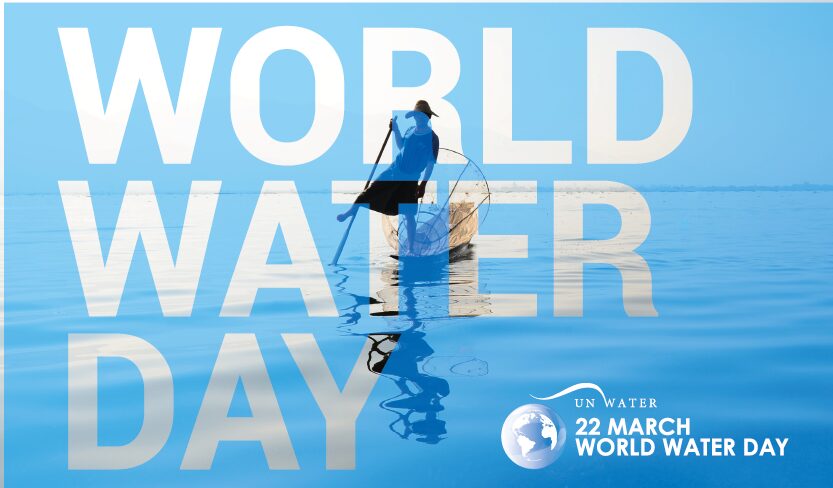
The World Water Day: A Celebration of the Precious Resource that Nourishes Our Planet
Every year on March 22nd, we come together to celebrate the World Water Day, a day to acknowledge the importance of water and its impact on our lives. As we reflect on this precious resource, it’s hard not to think about how often we take it for granted. We ask ourselves: what would happen if water were no longer available? How would we survive without it?
What is World Water Day?
World Water Day was established by the United Nations in 1992 as part of the Agenda 21 initiative, which aimed to promote sustainable development and environmental protection. The day is a reminder that water is a vital component of our lives, and that it’s essential for human survival. It’s also a call to action, encouraging governments, organizations, and individuals to take concrete steps to protect this precious resource.
The Importance of Water
Water is life. It’s essential for human consumption, agriculture, industry, and energy production. Without water, our planet would be an uninhabitable place. Yet, every year, millions of people lack access to clean drinking water, and many communities are affected by water scarcity and pollution. As we celebrate World Water Day, we must also acknowledge the challenges that come with managing this vital resource.
History of World Water Day
The concept of World Water Day was first proposed in 1992 by the United Nations, as part of their Agenda 21 initiative. The day was officially recognized by the UN General Assembly in 2004, and since then, it has been celebrated annually on March 22nd. Over the years, the event has grown in popularity and recognition, with more and more countries participating in the celebration.
The Role of Water in Our Lives
Water plays a crucial role in our daily lives, from drinking and cooking to agriculture and industry. It’s estimated that over 70% of the Earth’s surface is covered in water, yet only about 2.5% of it is freshwater. The remaining 97.5% is saltwater, making up oceans, seas, and other bodies of water.
Water Scarcity
Despite the abundance of water on our planet, many communities face water scarcity issues. According to the World Health Organization (WHO), over 1 billion people lack access to clean drinking water, while 2.4 billion people live without adequate sanitation facilities. Water scarcity can have devastating effects on local economies, communities, and ecosystems.
Water Pollution
Water pollution is another significant issue affecting our planet’s freshwater resources. Chemicals, pollutants, and other contaminants can harm aquatic life and contaminate drinking water sources. According to the World Health Organization (WHO), over 80% of wastewater in developing countries contains harmful pathogens that can cause illnesses in humans.
The Impact of Climate Change
Climate change is also having a profound impact on our planet’s freshwater resources. Rising temperatures are causing melting glaciers, altering river flows, and changing precipitation patterns. This can lead to droughts, floods, and other extreme weather events that affect water availability and quality.
Initiatives and Activities
Every three years, the World Water Council organizes the World Water Forum, which brings together governments, businesses, and civil society to discuss water-related issues. The 2024 World Water Day is no exception, with various initiatives and activities planned across the globe. These include:
- Visits to water treatment plants: Many organizations are offering guided tours of water treatment plants, allowing visitors to learn about the processes involved in treating water.
- Contests and photo exhibitions: Contests and photo exhibitions are being held to promote awareness about water conservation and sustainability.
- Workshops and training sessions: Workshops and training sessions are being organized to educate people on water-saving techniques and strategies.
The Role of the WWF
The World Wildlife Fund (WWF) is a leading organization in the fight against water pollution and climate change. In celebration of World Water Day, the WWF highlights the importance of preserving our planet’s freshwater resources for future generations. According to the WWF, over 1 billion people lack access to clean drinking water, while 2.4 billion people live without adequate sanitation facilities.
The Importance of Preserving Freshwater Resources
Preserving freshwater resources is crucial for ensuring a sustainable future. By protecting these resources, we can ensure that they remain available for future generations to use. This includes conserving water in agriculture, industry, and other sectors, as well as addressing water pollution and climate change impacts.
Conclusion
World Water Day is a day to celebrate the importance of water and its impact on our lives. It’s also a call to action, encouraging governments, organizations, and individuals to take concrete steps to protect this precious resource. By working together, we can ensure that water remains available for future generations. So let’s make a difference, one drop at a time.
Frequently Asked Questions
Q: What is World Water Day?
A: World Water Day is an international day of celebration held on March 22nd every year to acknowledge the importance of water and its impact on our lives.
Q: Why is water so important?
A: Water is essential for human survival, agriculture, industry, and energy production. Without water, our planet would be an uninhabitable place.
Q: What can I do to help protect water?
A: There are many ways you can contribute to protecting water, from reducing your water usage to supporting organizations that work to improve access to clean drinking water.
Q: How can I get involved in World Water Day activities?
A: You can find information about World Water Day events and activities by visiting the official website or searching online for local events in your area.
Q: Can you tell me more about the WWF’s role in protecting water resources?
A: The World Wildlife Fund (WWF) is a leading organization in the fight against water pollution and climate change. They work to protect freshwater resources and promote sustainable use of water.
Q: How can I reduce my impact on water resources?
A: There are many ways you can reduce your impact on water resources, from reducing your water usage to supporting organizations that work to improve access to clean drinking water.
Q: Can you tell me more about the importance of preserving freshwater resources for future generations?
A: Preserving freshwater resources is crucial for ensuring a sustainable future. By protecting these resources, we can ensure that they remain available for future generations to use.


