
As a responsible cat owner, understanding the feline pregnancy is crucial to ensure the health and well-being of your furry friend. In this article, we’ll delve into the world of feline gestation, exploring its duration, signs, and what to expect during and after the pregnancy.
How Long Does Feline Pregnancy Last?
The feline pregnancy, also known as gestation period, typically lasts around 65 days (21-25 days before birth, 60-69 days after conception). However, it’s essential to note that every cat is different, and some breeds may have a shorter or longer gestation period.
For example:
- Siamese cats: 62-63 days
- Maine Coon cats: 65-70 days
- British Shorthair cats: 68-72 days
Understanding the duration of feline pregnancy is vital to provide the necessary care and attention to your cat during this critical period.
Signs of Feline Pregnancy
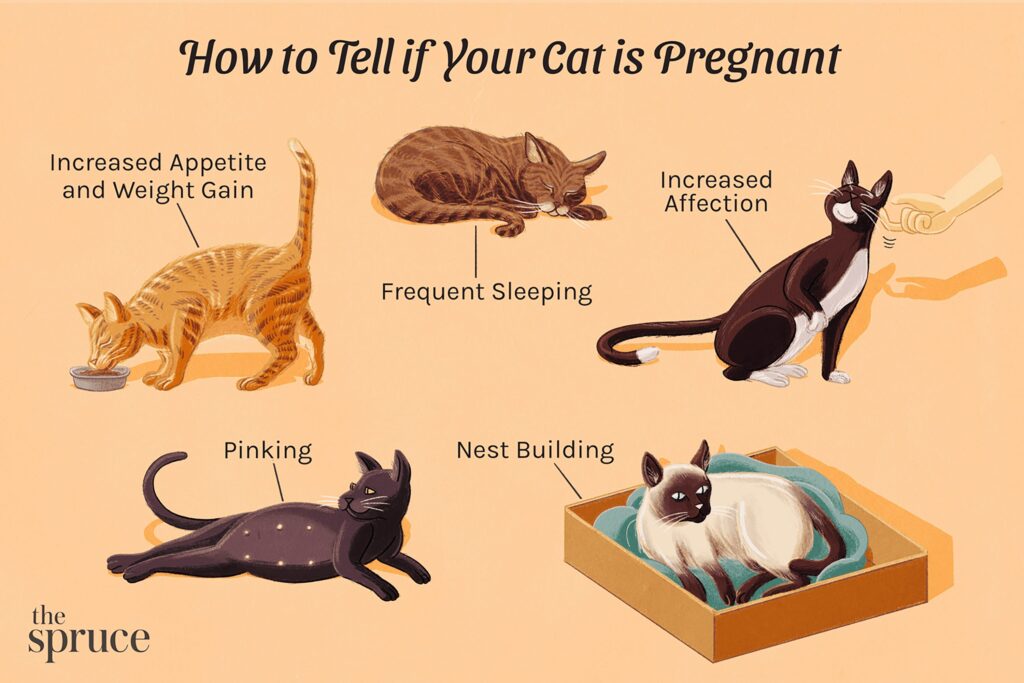
As the pregnancy progresses, your cat may exhibit various behaviors and physical changes. Some common signs include:
- Increased affectionateness and irritability: Your cat may become more demanding of attention and affection as she prepares for motherhood.
- Changes in appetite and weight gain: Your cat’s diet and water intake may change during the final stages of pregnancy, leading to weight gain.
- Vaginal discharge (which may be bloody): This is a clear sign that your cat is pregnant. The discharge can be heavy or light, depending on the stage of the pregnancy.
- Enlarged nipples: Your cat’s nipples will become more prominent as the pregnancy progresses.
- Restlessness and anxiety: As the due date approaches, your cat may become increasingly anxious and restless.
The Final Days of Pregnancy
As the due date approaches, your cat’s behavior may become more pronounced. She may:
- Seek a quiet, safe space to rest and hide: Your cat will need a comfortable and secure place to give birth.
- Display increased sensitivity to her surroundings: Your cat may be more sensitive to sounds, smells, and sights as she prepares for motherhood.
- Show a decrease in appetite or activity level: Your cat’s diet and exercise habits may change during the final stages of pregnancy.
The Birth
When the time comes, your cat will give birth to 2-6 kittens (with Siamese cats tending to have more). The delivery process is relatively quick, with most cats giving birth within 1-3 hours. However, it’s crucial to monitor your cat’s health and the kittens’ well-being during this period.
Complications During Pregnancy
While rare, complications can arise during feline pregnancy. These include:
- Postpartum hemorrhage (excessive bleeding): This is a life-threatening condition that requires immediate veterinary attention.
- Infection or mastitis: Bacterial infections or inflammation of the mammary glands can occur after giving birth.
- Ectopic pregnancy (where the fertilized egg implants outside the uterus): This rare condition can be life-threatening if left untreated.
Post-Pregnancy Care
After the kittens are born, your cat will need time to rest and recover. This is an essential period for her physical and emotional well-being.
During this time:
- Monitor her appetite, water intake, and overall health
- Provide a warm, safe, and comfortable environment
- Ensure she has access to food, water, and litter
- Limit social interaction to prevent overwhelming your cat
FAQs
- How long does a feline pregnancy last?
The typical gestation period for cats is 65 days. - What are the signs of feline pregnancy?
These can include increased affectionateness, changes in appetite, vaginal discharge, and restlessness. - Can I induce labor or speed up the delivery process?
No, it’s not recommended to interfere with your cat’s natural birth process. - How many kittens can a feline pregnancy result in?
Typically, 2-6 kittens are born during each pregnancy. - What if my cat experiences complications during pregnancy or after giving birth?
Consult a veterinarian immediately for proper care and guidance.
Conclusion
Understanding the intricacies of feline gestation is vital for ensuring your cat’s health and well-being. By recognizing the signs of pregnancy, preparing for the birth, and providing post-natal care, you can provide the best possible start for your kittens. If you have any concerns or questions about your cat’s pregnancy, don’t hesitate to consult a veterinarian for professional advice.
Moreover, feline pregnancy is an essential part of a cat’s reproductive cycle, and understanding its complexities will help you better support your furry friend throughout this critical period.


