
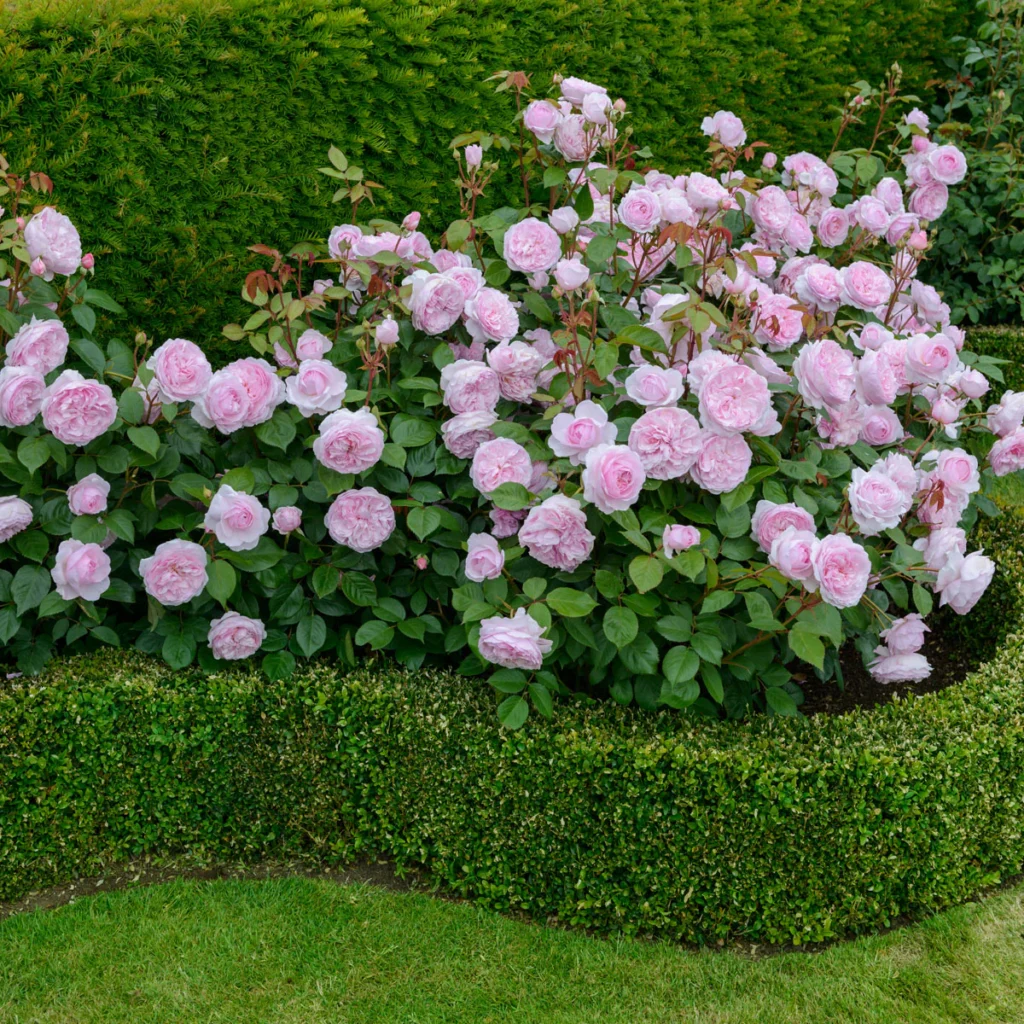
The Ultimate Guide to Choosing the Perfect Rose Bush for Your Garden
As any gardening enthusiast knows, selecting the right rose bush can be a daunting task. With so many varieties to choose from, it’s easy to get overwhelmed and end up with a garden full of dead or unwanted plants. In this article, we’ll delve into the world of rose bushes and explore the best options for your garden, taking into account factors such as growth habits, maintenance requirements, and aesthetic appeal.
What Makes a Good Rose Bush?
Before we dive into the specifics, let’s define what makes a good rose bush. These plants should have the following characteristics:
- Formative ability: The ability to form dense, thorny branches that can create natural barriers for your garden.
- Easy maintenance: The plant should be relatively low-maintenance and not require frequent pruning or care.
- Moderate growth rate: A moderate growth rate ensures that the plant will thrive in your garden without becoming too overgrown or unruly.
Recommended Rose Bushes
Based on these criteria, we’ve selected some of the best rose bushes for your garden. Here are a few options to consider:
- Farniente de Meilland: This rose bush is perfect for small gardens and features practical, rustic blooms in a range of colors. It’s also relatively low-maintenance and doesn’t require frequent pruning.
- Bonica ’82 : This rose bush is highly resistant and adaptable, making it ideal for large gardens or containers. It also comes in a beautiful double variety called Royal Bonica.
- Stromboli: With its rich, long-lasting blooms and dark red color, this rose bush is sure to make a statement in your garden.
Spineless Rose Bushes
If you’re looking for a more delicate option, consider spineless rose bushes. These plants are perfect for creating a beautiful, thorn-free barrier without sacrificing aesthetic appeal.
- Amadis: This rose bush produces white blooms and is known for its early flowering period. It’s also relatively low-maintenance and doesn’t require frequent pruning.
- Autumn Delight: With its beautiful white blooms and lack of thorns, this rose bush is perfect for creating a stunning barrier in your garden.
Rampant Rose Bushes
If you’re looking for a more dramatic option, consider rampant rose bushes. These plants can be trained to grow up walls or trellises, adding an extra layer of beauty to your garden.
- Cerise Bouquet: This rose bush produces beautiful red blooms and is perfect for creating a stunning barrier in your garden.
- Amadis: This rose bush also comes in a rampant variety, producing early-blooming red flowers with minimal thorns.
Other Considerations
When choosing the perfect rose bush for your garden, there are several other factors to consider:
- Sunlight and soil requirements: Different types of roses have varying sunlight and soil requirements. Make sure to choose a rose bush that suits your garden’s conditions.
- Pest and disease resistance: Some rose bushes are more resistant to pests and diseases than others. Look for varieties with built-in resistance or consider using organic pest control methods.
- Color and fragrance: Roses come in a wide range of colors, from soft pastels to vibrant reds. Consider what color and fragrance you prefer when choosing your rose bush.
Conclusion
Choosing the right rose bush for your garden can be overwhelming, but by considering factors such as growth habits, maintenance requirements, and aesthetic appeal, you can find the perfect plant to enhance your outdoor space. Whether you’re looking for a delicate spineless option or a dramatic rampant variety, there’s a rose bush out there for everyone.
FAQs
- What is the best way to prune my rose bushes?
Pruning is an essential part of rose care, and it should be done regularly to maintain the plant’s shape and promote healthy growth. The best pruning technique will depend on the specific variety of rose you’re working with, so consult a local nursery or gardening expert for guidance. - How often do I need to water my rose bushes?
Rose bushes require consistent moisture, especially during hot summer months. Check the soil regularly and water your plants when it feels dry to the touch. Avoid overwatering, which can lead to root rot and other problems. - Can I grow rose bushes in containers?
Yes! Many types of rose bushes thrive in containers, making them perfect for small gardens or balconies. Choose a container that is at least 6-8 inches deep and has good drainage holes to prevent waterlogged soil. - How can I keep my rose bushes healthy and pest-free?
To keep your rose bushes healthy and pest-free, make sure to provide regular care and maintenance, including pruning, watering, and fertilizing. Also, consider using organic pest control methods whenever possible.
Martina Abbà
As a passionate gardener with over 10 years of experience, I’ve seen firsthand the impact that well-cared-for rose bushes can have on an outdoor space. In this article, I’ve shared my expertise to help you choose the perfect rose bush for your garden, whether you’re looking for something delicate or dramatic. Whether you’re a seasoned gardener or just starting out, I hope you found these tips helpful and informative.
What’s Your Favorite Rose Bush Variety?
We’d love to hear from you! Share your favorite rose bush variety in the comments below and tell us why it’s your go-to choice for your garden.
Get Social
Want to stay up-to-date on all things gardening? Follow me on Twitter, Facebook, Google+, Instagram, or other social media platforms.


