
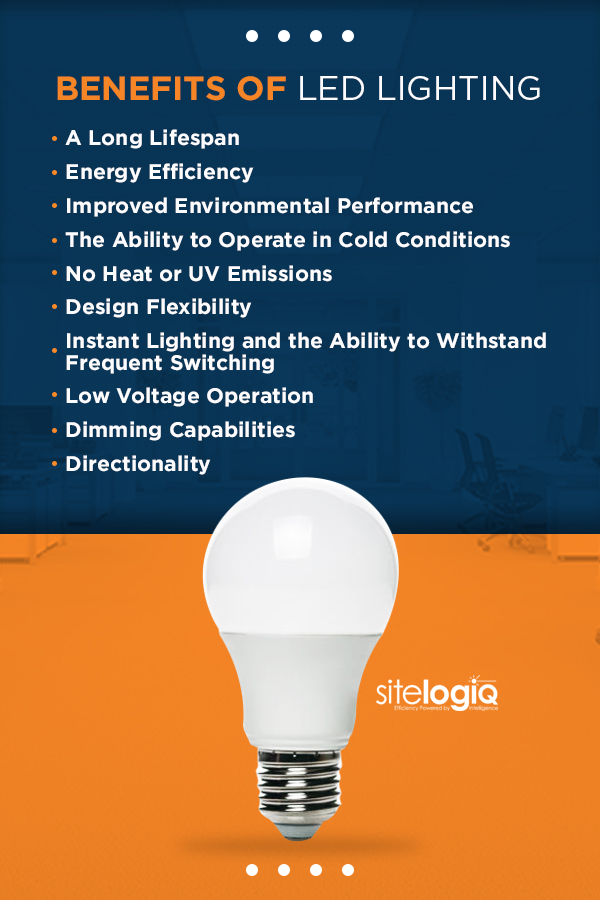
As we navigate our daily lives, it’s essential to consider the environmental impact of our choices. One often-overlooked aspect is lighting, particularly when it comes to energy-efficient options like LED lamps. In this article, we’ll delve into the world of energy-saving lamps, exploring their features, advantages, and where to find them.
What are Energy-Saving Lamps?
Energy-saving lamps, also known as LED lamps, are a type of lighting that uses light-emitting diodes (LEDs) to produce light. Unlike traditional incandescent bulbs, LEDs consume significantly less energy while providing the same amount of light. This makes them an attractive option for those looking to reduce their carbon footprint.
Characteristics of Energy-Saving Lamps
Energy-saving lamps have several key characteristics that set them apart from traditional lighting options:
- Long lifespan: LED lamps can last up to 50,000 hours, compared to incandescent bulbs which typically last around 1,000-2,000 hours.
- Low energy consumption: LEDs consume significantly less energy than traditional bulbs, making them an environmentally friendly option.
- Durability: LED lamps are resistant to shock, vibration, and extreme temperatures.
Advantages of Energy-Saving Lamps
So, what makes energy-saving lamps so appealing? Here are some of the key benefits:
- Cost savings: LEDs can save you money in the long run by reducing your energy consumption.
- Environmental benefits: By using less energy, LEDs help reduce greenhouse gas emissions and mitigate climate change.
- Long-lasting: LED lamps can last up to 50,000 hours, making them a cost-effective option in the long run.
Models of Energy-Saving Lamps
There are many different types of energy-saving lamps available, each with its own unique characteristics. Some popular models include:
- E27 LED bulbs: These bulbs are suitable for general lighting purposes and can be used in a variety of fixtures.
- E14 LED bulbs: These bulbs are designed for use in pendant lights and other ceiling-mounted fixtures.
- GU10 LED bulbs: These bulbs are often used in recessed lighting fixtures and provide a bright, focused beam of light.
- G9 LED bulbs: These bulbs are similar to GU10 bulbs but have a slightly different shape and are often used in pendant lights.
- GU5.3 LED bulbs: These bulbs are designed for use in under-cabinet lighting fixtures and provide a soft, warm glow.
Where to Buy Energy-Saving Lamps
Energy-saving lamps can be found at a variety of retailers, both online and in-store. Some popular options include:
- Online retailers: Websites like Amazon and Walmart offer a wide selection of energy-saving lamps.
- Home improvement stores: Stores like Home Depot and Lowe’s carry a range of energy-saving lamp options.
- Specialty lighting stores: Stores that specialize in lighting often carry high-end or specialty energy-saving lamps.
Disposing of Energy-Saving Lamps
When it comes time to dispose of your energy-saving lamps, it’s essential to do so properly. Many cities have special collection programs for hazardous waste, including LED bulbs. Here are some tips:
- Check with local authorities: Find out if your city has a special collection program for LED bulbs.
- Take them to a recycling center: Many municipalities have designated recycling centers that accept electronic waste, including LED bulbs.
Types of Energy-Saving Lamps
There are several different types of energy-saving lamps available, each with its own unique characteristics. Some popular options include:
- LED strip lights: These are thin, flexible strips of LEDs that can be used to create a variety of lighting effects.
- LED ceiling lights: These are designed for use in ceiling fixtures and provide a bright, even light.
- LED pendant lights: These are suspended from the ceiling and provide a warm, cozy glow.
Benefits of Energy-Saving Lamps
Energy-saving lamps offer a range of benefits, including:
- Cost savings: LEDs can save you money in the long run by reducing your energy consumption.
- Environmental benefits: By using less energy, LEDs help reduce greenhouse gas emissions and mitigate climate change.
- Long-lasting: LED lamps can last up to 50,000 hours, making them a cost-effective option in the long run.
Disadvantages of Energy-Saving Lamps
While energy-saving lamps offer many benefits, there are also some disadvantages to consider:
- Higher upfront cost: LEDs can be more expensive than traditional bulbs.
- Color temperature: Some LED bulbs may have a different color temperature than traditional bulbs, which can affect their appearance.
- Dimming: Some LED bulbs may not dim well, which can make them less suitable for certain applications.
Choosing the Right Energy-Saving Lamp
When choosing an energy-saving lamp, there are several factors to consider:
- Lumen output: The lumen output of a bulb determines how bright it is. Higher lumens mean brighter light.
- Color temperature: The color temperature of a bulb affects its appearance. Warm white bulbs (2700K-3000K) have a yellowish hue, while cool white bulbs (3500K-5000K) have a bluish hue.
- Dimming capability: If you want to be able to dim your lights, look for bulbs that are specifically designed for dimming.
Energy-Saving Lamp Safety
Energy-saving lamps can be safe if installed and used properly. Here are some safety tips:
- Follow manufacturer instructions: Always follow the manufacturer’s instructions for installation and use.
- Avoid overheating: Avoid leaving energy-saving lamps on for extended periods of time, as this can cause them to overheat.
- Use protective covers: Use protective covers or shades to prevent accidental contact with hot components.
Conclusion
Energy-saving lamps are a simple way to make a big impact on the environment. By understanding their features, advantages, and where to find them, you can start making changes in your daily life. Whether you’re looking to reduce energy consumption or simply want to try out a new lighting option, energy-saving lamps are definitely worth considering.


