
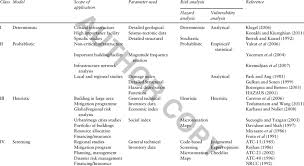
As buildings and structures, we are often exposed to seismic risks that can lead to devastating consequences. In order to mitigate these risks, it is essential to understand the various seismically risk classifications used to determine the level of hazard for a particular building or structure.
In this article, we will delve into the world of seismically risk classifications, exploring what they are, how they are calculated, and why they are crucial in ensuring public safety. We will also discuss the Sisma Bonus, an Italian government initiative aimed at incentivizing adjuements to make buildings earthquake-proof.
What are Seismic Risk Classifications?
Seismic risk classifications refer to the categorization of a building or structure based on its vulnerability to seismic activity. These classifications are used to determine the level of hazard and the necessary mitigation measures to ensure public safety. There are various methods used to calculate seismic risk classifications, including the conventional method and the simplified method.
Conventional Method: Calculating Seismic Risk Classifications
The conventional method involves a detailed analysis of the building’s structural capacity, taking into account factors such as:
- Perdite Annue Medie Attese (PAM): The average annual loss expected due to seismic activity.
- Indice di Sicurezza della Salvaguardia di Vita (IS-V): A measure of the structure’s ability to protect human life during an earthquake.
The IS-V index is calculated using a complex formula that takes into account factors such as the building’s height, material composition, and design. The PAM value is calculated using a separate formula that considers factors such as the building’s age, location, and seismic hazard.
Simplified Method: Calculating Seismic Risk Classifications
The simplified method uses pre-computed values to determine the seismic risk classification of a building or structure. This method is used for historic buildings and structures where detailed analysis would be too complex.
The simplified method involves using pre-calculated tables that take into account factors such as:
- Vulnerability: The potential damage caused by an earthquake.
- Exposure: The likelihood of the building being affected by an earthquake.
- Perilosity: The probability of an earthquake occurring in a particular area.
What are the Different Seismic Risk Classifications?
There are six different seismic risk classifications, each with its own set of characteristics and corresponding hazard level:
- Class A+: Low-risk structures that are unlikely to be affected by significant earthquakes.
- Class A: Moderate-risk structures that may experience minor damage during an earthquake.
- Class B: High-risk structures that may experience significant damage during an earthquake.
- Class C: Very high-risk structures that are likely to suffer major damage or collapse during an earthquake.
- Class D: Extremely high-risk structures that are highly vulnerable to catastrophic damage or loss of life during an earthquake.
- Class E: The highest-risk classification, representing buildings with a very high potential for major damage or collapse.
Sismabonus and Incentives for Adjuements
The Italian government has introduced the Sisma Bonus initiative aimed at incentivizing building owners to undertake adjuements to make their structures earthquake-proof. This incentive is available to all residential buildings and condominiums, including second homes.
The Sisma Bonus offers financial support for building owners who undertake adjuements to improve the seismic resilience of their structures. These adjuements may include:
- Retrofitting existing structures to meet current seismic building codes.
- Installing new foundations or upgrading existing ones.
- Adding new reinforcement to the structure’s foundation.
By understanding seismic risk classifications and taking proactive steps to mitigate these risks, we can ensure public safety and protect our communities from the devastating effects of earthquakes.
Importance of Seismic Risk Classifications
Seismic risk classifications are crucial in ensuring public safety by:
- Identifying high-risk structures: Seismic risk classifications help identify buildings that require immediate attention to improve their seismic resilience.
- Prioritizing mitigation measures: By understanding the level of hazard, building owners and authorities can prioritize mitigation measures to ensure the safety of occupants.
- Reducing economic losses: Seismic risk classifications can help reduce economic losses by identifying structures that are at high risk of damage or collapse during an earthquake.
Benefits of Sisma Bonus Initiative
The Sisma Bonus initiative offers several benefits for building owners and authorities, including:
- Financial support: The Sisma Bonus provides financial support to building owners who undertake adjuements to improve the seismic resilience of their structures.
- Increased transparency: The Sisma Bonus promotes transparency in the assessment and mitigation of seismic risks, ensuring that all stakeholders are aware of the level of hazard.
- Improved safety standards: By incentivizing building owners to undertake adjuements, the Sisma Bonus initiative helps improve safety standards for residential buildings.
Conclusion
Seismic risk classifications are a crucial aspect of ensuring public safety in earthquake-prone areas. By understanding these classifications and taking proactive steps to mitigate risks, we can protect our communities from devastating effects of earthquakes. The Sisma Bonus initiative is an excellent example of how government initiatives can promote transparency, improve safety standards, and reduce economic losses associated with seismic activity.
Frequently Asked Questions
- What is the purpose of seismically risk classifications?
Seismic risk classifications are used to determine the level of hazard for a particular building or structure and to identify necessary mitigation measures. - How are seismic risk classifications calculated?
Seismic risk classifications can be calculated using either the conventional method or the simplified method, depending on the complexity of the analysis required. - What is the Sisma Bonus initiative?
The Sisma Bonus initiative is an Italian government program aimed at incentivizing building owners to undertake adjuements to make their structures earthquake-proof. - Who can benefit from the Sisma Bonus initiative?
All residential buildings and condominiums, including second homes, are eligible for financial support under the Sisma Bonus initiative. - What kind of adjuements can be undertaken to improve seismic resilience?
Building owners may undertake retrofitting existing structures to meet current seismic building codes, installing new foundations or upgrading existing ones, and adding new reinforcement to the structure’s foundation. - How do I determine if my building needs seismically risk classification?
If you are unsure whether your building requires seismically risk classification, consult with a qualified engineer or structural specialist who can assess your building’s seismic vulnerability and recommend necessary mitigation measures.
By understanding seismic risk classifications and taking proactive steps to mitigate these risks, we can ensure public safety and protect our communities from the devastating effects of earthquakes.


