
As we explore the world of renewable energy, solar panels have become one of the most cost-effective solutions. With government incentives and on-site installation options available, it’s easier than ever to harness the power of the sun. However, a critical aspect of solar panel performance lies in their placement. In this article, we’ll delve into the factors that influence solar panel efficiency and provide a step-by-step guide on how to calculate its performance.
Understanding the Importance of Solar Panel Placement
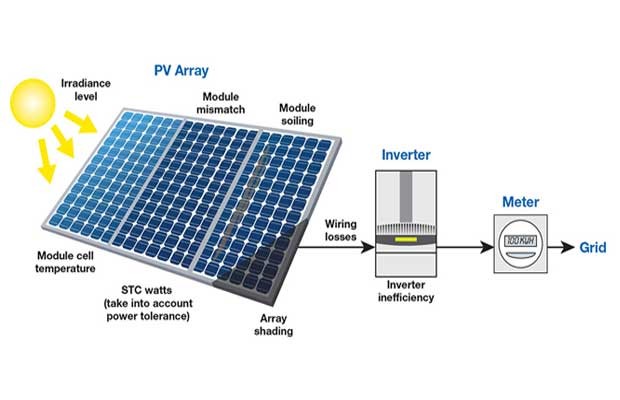
The placement of solar panels is crucial for maximizing energy production. A well-placed system can increase efficiency by up to 25%, while a poorly placed system may result in reduced performance and increased costs. In this section, we’ll explore the key factors that influence solar panel placement.
- Latitude: The angle at which the sun’s rays hit the Earth varies with latitude. Locations near the equator receive more direct sunlight throughout the year, making them ideal for solar panels. However, locations farther away from the equator may require additional shading to ensure optimal performance.
- Inclination: The angle at which the solar panels are mounted affects their exposure to sunlight. A steeper inclination can increase energy production in areas with high irradiance, but may also lead to increased temperatures and reduced lifespan.
- Orientation: The direction in which the solar panels face is critical for optimal performance. Panels should be oriented to face the sunniest direction possible, typically south-facing in temperate climates.
- Temperature: Temperature affects solar panel efficiency, with higher temperatures reducing energy production. Proper shading and cooling systems can help mitigate this effect.
- Irradiance: The amount of sunlight received by the solar panels impacts their efficiency. Locations with high irradiance require fewer panels to achieve the same energy output as locations with lower irradiance.
Internal Factors Affecting Solar Panel Efficiency
In addition to external factors, internal components within the solar panel itself can also impact its efficiency. These include:
- Inverter losses: The electrical losses incurred during conversion affect the overall efficiency of the system.
- Component degradation: The gradual decrease in performance over time due to wear and tear on the panels.
- Connection losses: Energy lost due to connections between panels, which can be minimized with proper cabling and connectors.
Calculating Solar Panel Performance
To calculate the performance of a solar panel, we use the following formula:
Rendimento% = (Potenza / Superficie / 1000) * 100
Where:
- Potenza is the power output in Watts
- Superficie is the surface area of the solar panel in square meters
- 1000W/mq is the irradiance value, which represents the amount of sunlight received per square meter
Example Calculation
Let’s consider an example where the solar panel has a peak power output of 300 Watts and a surface area of 1.65 square meters.
Rendimento% = (300 / 1.65 / 1000) * 100 ≈ 18.18%
This calculation indicates that the solar panel can generate approximately 18.18% of its maximum potential energy from sunlight.
Conclusion
Calculating the performance of a solar panel is crucial for determining its efficiency and effectiveness. By considering both external and internal factors, you can optimize your solar panel system’s performance and make the most of renewable energy.
Frequently Asked Questions
- How often should I clean my solar panels to maintain their efficiency?
- Cleaning your solar panels regularly can help maintain their efficiency, but be sure to use a soft cloth and avoid using harsh chemicals or abrasive materials.
- Can I install solar panels in areas with high shading?
- While it’s possible to install solar panels in shaded areas, the performance will likely be reduced due to the lack of sunlight. Consider using shading-reducing technologies or relocating the panels to a sunnier spot.
-
How do I choose the right solar panel system for my needs?
- When selecting a solar panel system, consider factors such as your energy usage, budget, and available roof space. Consult with a professional to determine the best system for your specific requirements.
-
Can I sell excess energy generated by my solar panels?
- Yes, you can sell excess energy generated by your solar panels through net metering or other local regulations. Check with your utility company to see if this option is available in your area.
-
How long do solar panels typically last?
- Solar panels can last for up to 25 years or more, depending on the quality of the panels and environmental conditions. Regular maintenance can help extend their lifespan.
-
Can I use solar panels with other renewable energy sources?
- Yes, you can combine solar panels with other renewable energy sources like wind turbines or geothermal systems to create a hybrid power generation system. Consult with a professional to determine the best combination for your needs.
-
How do I maintain my solar panel system to ensure optimal performance?
- Regular maintenance is essential to ensure optimal performance of your solar panel system. This includes cleaning the panels, checking connections, and updating software as needed.
-
Can I install solar panels on a flat roof?
- While it’s possible to install solar panels on a flat roof, the performance may be reduced due to the lack of slope, which can cause water to accumulate and reduce efficiency. Consider using specialized mounting systems or consulting with a professional to determine the best solution for your specific roof type.
-
What are the benefits of using solar panels?
- Solar panels offer numerous benefits, including reduced energy costs, increased energy independence, and lower greenhouse gas emissions.
-
How can I determine if solar panels are right for me?
- To determine if solar panels are right for you, consider factors such as your energy usage, budget, and available roof space. Consult with a professional to determine the best system for your specific requirements.


