
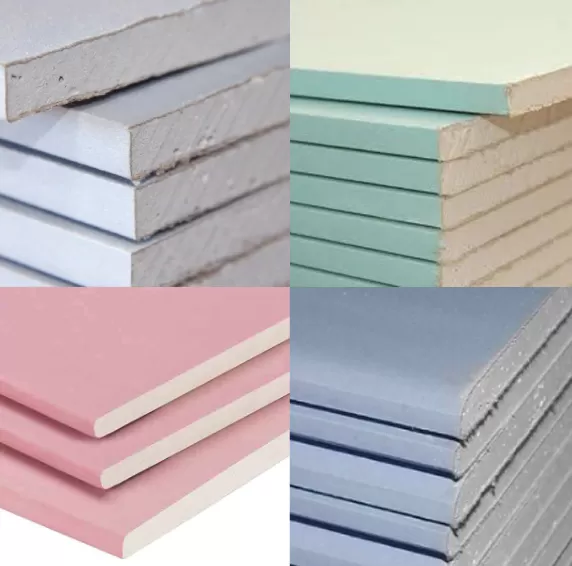
When it comes to choosing the right type of gypsum board for your project, there are several factors to consider. With so many options available on the market, it can be overwhelming to decide which one is best for you.
In this article, we will explore the different types of gypsum boards, their characteristics, and applications. We will also discuss the importance of considering the composition and properties of the board in relation to your specific project needs.
Understanding Gypsum Board Composition
Before we dive into the different types of gypsum boards, it’s essential to understand what gypsum board is made of. Gypsum board is typically composed of a layer of gypsum plaster sandwiched between two layers of paper or other materials. The composition of the board can vary depending on the manufacturer and intended use.
Some common components of gypsum board include:
- Gypsum plaster
- Paper or other materials for the face sheet
- Calcium sulfate dihydrate (CaSO4·2H2O)
- Water
The ratio of these components can affect the board’s strength, durability, and resistance to moisture.
Types of Gypsum Boards
There are several types of gypsum boards available on the market, each with its unique characteristics and applications. Here are some of the most common types:
Simple Gypsum Board
This is the most basic type of gypsum board, used for decorative purposes such as ceiling textures, wall finishes, and interior design.
- It’s composed of a layer of gypsum plaster on one side and a thin layer of paper or other materials on the other.
- It’s ideal for applications where a smooth finish is required.
Gypsum Board with Fiberglass Reinforcement
This type of board offers improved strength and durability compared to simple gypsum boards.
- The gypsum plaster is sandwiched between two layers of fiberglass-reinforced paper.
- This makes it suitable for applications that require high resistance to temperature, humidity, and moisture.
Fire-Resistant Gypsum Board
As the name suggests, this type of board is designed to provide enhanced fire-resistance properties.
- It’s composed of a layer of gypsum plaster on one side and a special fire-resistant material on the other.
- This makes it ideal for use in commercial buildings, schools, hospitals, and areas with high fire risks.
Flexible Gypsum Board
This type of board is designed to accommodate curved or irregular shapes.
- It’s composed of a layer of gypsum plaster on one side and a flexible material on the other.
- This makes it suitable for applications such as architectural features, decorative elements, and custom designs.
Thick Gypsum Board
This type of board offers enhanced load-bearing capacity compared to standard gypsum boards.
- It’s composed of multiple layers of gypsum plaster sandwiched between two layers of paper or other materials.
- This makes it ideal for applications such as building facades, partitions, and structural elements.
Insulating Gypsum Board
This type of board offers improved thermal insulation properties compared to standard gypsum boards.
- It’s composed of a layer of gypsum plaster on one side and an insulating material on the other.
- This makes it suitable for applications such as soundproofing, thermal insulation, and energy-efficient construction.
Water-Resistant Gypsum Board
This type of board is designed to provide enhanced water-resistance properties.
- It’s composed of a layer of gypsum plaster on one side and a special water-resistant material on the other.
- This makes it ideal for applications such as bathrooms, kitchens, and areas with high humidity.
Fire-Resistant Insulating Gypsum Board
This type of board offers enhanced fire-resistance and thermal insulation properties compared to standard insulating gypsum boards.
- It’s composed of a layer of gypsum plaster on one side and a special fire-resistant material on the other.
- This makes it suitable for applications such as commercial buildings, schools, hospitals, and areas with high fire risks.
Flexible Insulating Gypsum Board
This type of board offers improved thermal insulation properties compared to standard insulating gypsum boards.
- It’s composed of a layer of gypsum plaster on one side and a flexible material on the other.
- This makes it suitable for applications such as architectural features, decorative elements, and custom designs.
High-Load Capacity Gypsum Board
This type of board offers enhanced load-bearing capacity compared to standard gypsum boards.
- It’s composed of multiple layers of gypsum plaster sandwiched between two layers of paper or other materials.
- This makes it ideal for applications such as building facades, partitions, and structural elements.
Acoustic Insulating Gypsum Board
This type of board offers improved soundproofing properties compared to standard gypsum boards.
- It’s composed of a layer of gypsum plaster on one side and an insulating material on the other.
- This makes it suitable for applications such as soundproofing, thermal insulation, and energy-efficient construction.
Condensation-Resistant Gypsum Board
This type of board is designed to provide enhanced condensation-resistance properties.
- It’s composed of a layer of gypsum plaster on one side and a special condensation-resistant material on the other.
- This makes it ideal for applications such as bathrooms, kitchens, and areas with high humidity.
High-Temperature Gypsum Board
This type of board offers enhanced thermal insulation properties compared to standard gypsum boards.
- It’s composed of a layer of gypsum plaster on one side and a special high-temperature material on the other.
- This makes it suitable for applications such as commercial buildings, schools, hospitals, and areas with high temperatures.
Resistance to Moisture
Gypsum board is sensitive to moisture. High humidity can lead to warping, buckling, or delamination of the board.
When installing gypsum boards in areas prone to moisture, it’s essential to follow specific guidelines to ensure the board remains dry and secure.
Some common mistakes to avoid when working with gypsum boards include:
- Overloading the board with too much weight
- Failing to provide adequate support for the board
- Ignoring moisture-related issues
When choosing a gypsum board, consider the intended application, environmental factors, and the specific requirements of your project.
Cost of Gypsum Boards
The cost of gypsum boards can vary depending on several factors such as material composition, thickness, size, and manufacturer. Here are some approximate price ranges for different types of gypsum boards:
- Simple Gypsum Board: €5-€15 per square meter
- Fiberglass-Reinforced Gypsum Board: €10-€30 per square meter
- Fire-Resistant Gypsum Board: €20-€50 per square meter
- Flexible Gypsum Board: €10-€25 per square meter
- High-Load Capacity Gypsum Board: €15-€40 per square meter
Repairing Damaged Gypsum Boards
If you’ve accidentally damaged your gypsum board, it’s essential to follow a step-by-step repair process to ensure the damage is minimized and the board remains secure.
Here are some common methods for repairing damaged gypsum boards:
- Sanding the affected area
- Applying a patch of new plaster or tape
- Replacing the entire board if necessary
By following these tips, you can effectively repair your damaged gypsum board and ensure it continues to provide a smooth, durable surface.
Conclusion
Choosing the right type of gypsum board for your project requires careful consideration of several factors, including material composition, thickness, size, and intended application. By understanding the different types of gypsum boards available on the market and following specific guidelines for installation and maintenance, you can ensure that your project remains successful and meets all its requirements.
When choosing a gypsum board, consider the environmental factors of your location, as well as the specific needs of your project.


