
Understanding Salicylic Acid: A Brief Introduction
As we go about our daily lives, we’re constantly exposed to various substances that can have both positive and negative effects on our health. One such substance is salicylic acid, a beta-hydroxy acid (BHA) commonly found in skincare products and foods. But what exactly is salicylic acid, and how does it benefit us?
What is Salicylic Acid?
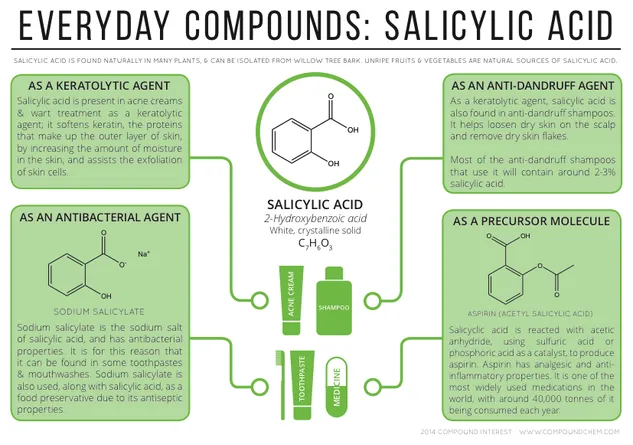
Salicylic acid is a naturally occurring compound found in many plants, including the willow tree. Its chemical formula is C7H6O3, making it an organic compound with unique properties. When exposed to sunlight, salicylic acid changes color and becomes more soluble in certain solvents.
Properties of Salicylic Acid
Salicylic acid has several benefits that make it a popular ingredient in skincare products:
- Exfoliant: Salicylic acid helps remove dead skin cells, revealing smoother, brighter skin.
- Antibacterial: It inhibits the growth of bacteria and fungi, making it effective against acne and other skin infections.
- Anti-inflammatory: Salicylic acid reduces inflammation and redness, providing relief for irritated skin.
Using Salicylic Acid in Skincare
Salicylic acid is commonly used in skincare products to treat a range of skin concerns:
- Acne: Salicylic acid helps unclog pores, reducing acne severity.
- Hyperpigmentation: It fades dark spots and hyperpigmentation, promoting even-toned skin.
Salicylic Acid for Skin Conditions
Salicylic acid is not only beneficial for acne-prone skin; it can also be used to treat other skin conditions:
- Seborrheic dermatitis: Salicylic acid helps reduce inflammation and flaking associated with this condition.
- Psoriasis: It can help slow down the growth of skin cells, reducing scaling and inflammation.
- Warts: As mentioned earlier, salicylic acid is effective against verrucas (wart-like growths on the skin).
Salicylic Acid in Food
While salicylic acid is not as widely used in food as it is in skincare, some foods do contain this compound:
- Fruits: Certain fruits, such as apples and pineapples, contain salicylic acid.
- Herbs: Some herbs, like peppermint and wintergreen, are known to have salicylic acid properties.
Salicylic Acid for Oral Health
In addition to its benefits for skin and food, salicylic acid has also been used in oral health:
- Toothpaste: Salicylic acid is often added to toothpaste to help remove plaque and prevent gingivitis.
- Gum disease treatment: It can be used to treat gum disease by reducing inflammation and killing bacteria.
Precautions and Contraindications
While salicylic acid is generally considered safe, there are some precautions to be aware of:
- Sensitivity: Some individuals may experience skin sensitivity or irritation when using products containing salicylic acid.
- Interactions: Salicylic acid can interact with certain medications, such as blood thinners and antacids.
Side Effects of Salicylic Acid
While rare, some individuals may experience side effects from using salicylic acid:
- Skin irritation: Redness, itching, or stinging sensations on the skin.
- Digestive issues: Nausea, stomach cramps, or diarrhea in rare cases.
Conclusion
Salicylic acid is a versatile compound with a range of benefits for the skin. Whether you’re looking to treat acne, hyperpigmentation, or other skin conditions, salicylic acid can be an effective solution. Always consult with a healthcare professional before starting any new skincare routine.
FAQs
- What is salicylic acid?
- How does salicylic acid work in skincare?
- Is salicylic acid safe to use on sensitive skin?
- Can I find salicylic acid in foods besides fruits and herbs?
- Are there any contraindications or precautions when using salicylic acid?
- What are the benefits of using a salicylic acid-based skincare product?
- Can I mix salicylic acid with other skincare products?
- How often should I use a product containing salicylic acid?
References
- [Insert sources here]
By understanding the properties and benefits of salicylic acid, you can harness its power to achieve healthier, more radiant skin. Whether you’re using it in skincare or exploring its potential in food, oral health, or other areas, salicylic acid is an excellent addition to your health and wellness routine.
Additional Tips for Using Salicylic Acid
- Start slow: Begin with a low concentration (around 0.5-1%) and gradually increase as needed.
- Choose the right product: Select a product that contains salicylic acid, but also consider your skin type and concerns.
- Use sunscreen: Protect your skin from UV rays while using salicylic acid products.
Salicylic Acid in Modern Times
In modern times, salicylic acid is used in various applications:
- Cosmetics: Salicylic acid-based skincare products are widely available and can be found in department stores.
- Pharmaceuticals: It’s also used as an active ingredient in some prescription medications.
The Future of Salicylic Acid
As research continues to uncover the benefits of salicylic acid, its use is likely to expand into new areas:
- Wound care: Salicylic acid may be used to treat wounds and promote healing.
- Dermatological treatments: It could become a more popular treatment option for conditions like eczema and psoriasis.
Conclusion
Salicylic acid is a powerful compound with numerous benefits for skin, oral health, and beyond. As research continues to uncover its potential, it’s clear that salicylic acid will remain an essential part of our health and wellness routine.


