
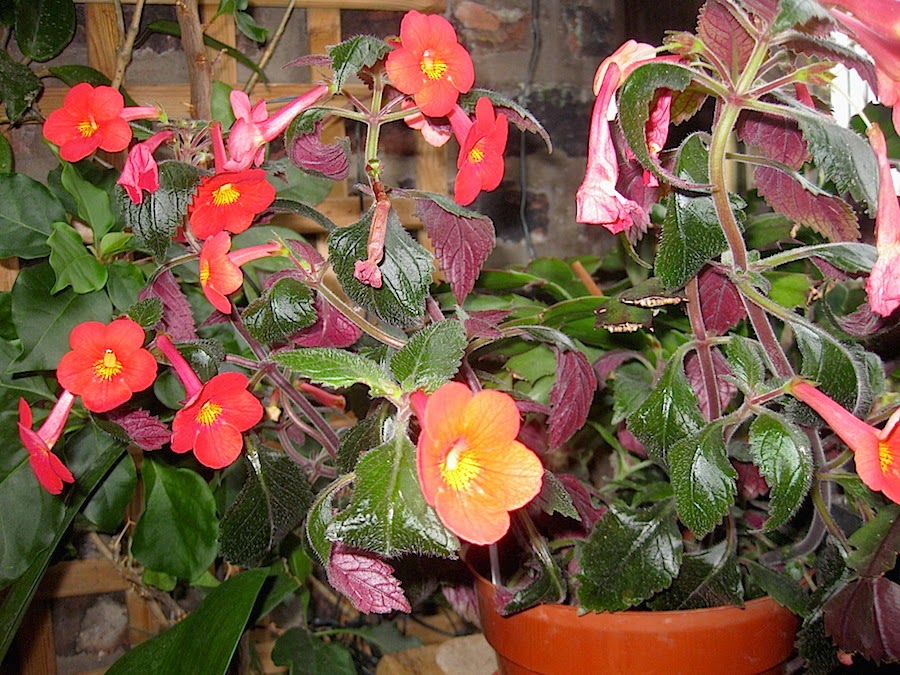
If you’re on the hunt for a plant that thrives in partial shade, look no further than the achimenes. This unique bulbous perennial boasts delicate flowers that bloom throughout the summer months, providing a burst of color and vibrancy to your garden. In this article, we’ll delve into the world of achimenes, exploring its history, care requirements, and maintenance techniques.
Understanding Achimenes: A Brief History and Overview
Originating from the mountainous regions of Central America, achimenes has adapted to thrive in our temperate climates. By providing the right conditions, you can enjoy a bountiful display of flowers from late spring to early autumn. This adaptable plant is perfect for gardeners looking to add a touch of elegance and sophistication to their outdoor spaces.
Lighting: The Key to Unlocking Achimenes’ Potential
Achimenes requires precise lighting to prevent scorching or limited flowering. To get it just right, follow these guidelines:
- Place your plant in a spot that receives morning and afternoon sun, but not direct sunlight after 6 pm.
- Be mindful of the risk of overexposure, as achimenes may fail to bloom or produce smaller flowers.
- Consider using sheer curtains or blinds to filter out intense sunlight during peak hours.
Soil: The Foundation for Thriving Achimenes
Achimenes loves well-draining soil, similar to succulents. You can use a general-purpose potting mix or create your own blend with sand and perlite. However:
- Avoid using regular potting soil, as it may retain too much moisture.
- Add a mix of sand and perlite to improve drainage and prevent waterlogged soil.
Getting Started: A Step-by-Step Guide
- Planting: In late winter or early spring, plant your achimenes in a shallow container (around 2-3 inches deep) filled with well-draining soil. Space the bulb about 2-3 inches apart.
- Watering: Keep the soil consistently moist but not waterlogged. Avoid getting water on the leaves to prevent rot and other issues.
- Potting Mix: Choose a high-quality potting mix specifically designed for bulbs, or create your own blend using a combination of peat moss, vermiculite, and perlite.
Pruning and Maintenance
To encourage bushy growth and more flowers:
- When your achimenes has produced new growth (around 15 cm long), trim back about one-third of the foliage.
- Use this trimmed material to propagate new plants, such as take cuttings from the mother plant.
- Regularly prune dead or dying foliage to maintain your plant’s appearance and promote healthy growth.
Irrigation: Finding the Perfect Balance
Achimenes needs moderate watering. Avoid overwatering, which can lead to root rot and other issues:
- Water sparingly during the winter months when the plant is dormant.
- Resume regular watering in late spring, but avoid getting water on the leaves.
- Check the soil moisture regularly by inserting your finger into the soil up to the first knuckle.
Fertilization: Feeding Your Achimenes
Feed your achimenes with a balanced fertilizer once a year, usually in early spring. Apply a small amount (around 20-25 grams) to each container, making sure not to overfertilize.
- Choose a water-soluble fertilizer or an organic alternative, such as fish emulsion or compost tea.
- Avoid fertilizing during the hottest part of summer when your plant is actively producing flowers.
- Consider using a slow-release fertilizer for more consistent nutrition throughout the growing season.
Pest and Disease Management
Regularly inspect your plants for signs of pests or disease, such as:
- Aphids: small, soft-bodied insects that feed on plant sap
- Whiteflies: tiny, winged insects that feed on plant sap and spread disease
- Root rot: a fungal infection caused by overwatering, which can lead to root decay and plant death
Use organic pest control methods whenever possible, such as introducing beneficial insects or using neem oil. For more severe infestations, consider consulting with a local nursery or gardening expert.
Propagation and Division
Achimenes can be propagated through division or take cuttings from the mother plant:
- Divide the bulb in the spring, separating the individual sections to create new plants.
- Take 3-4 inch long cuttings from the mother plant, removing lower leaves and planting them in a well-draining mix.
Common Varieties
There are several varieties of achimenes available, each with its unique characteristics:
- ‘Red Queen’: features deep red flowers with a yellow center
- ‘White Empress’: boasts pure white flowers with a yellow center
- ‘Pink Prince’: produces delicate pink flowers with a yellow center
Choose the variety that best suits your garden’s style and climate.
Conclusion: With proper care and attention, your achimenes will reward you with an abundance of delicate flowers throughout the summer months. By following these guidelines and providing the right conditions, you’ll be well on your way to growing a thriving and vibrant achimenes in your garden.
Frequently Asked Questions:
- When is the best time to plant achimenes?
Late winter or early spring, when temperatures have stabilized. - How much sunlight does achimenes need?
Partial shade, with morning and afternoon sun, but not direct sunlight after 6 pm. - Can I use regular potting soil for achimenes?
No, as it may retain too much moisture and cause root rot. - How often should I water my achimenes?
Moderately, avoiding overwatering and getting water on the leaves. - When can I fertilize my achimenes?
Once a year, usually in early spring, with a small amount of balanced fertilizer. - Can I propagate new plants from trimmed material?
Yes, use this method to create new take cuttings from your mother plant. - How often should I prune my achimenes?
When producing new growth (around 15 cm long), trim back about one-third of the foliage to encourage bushy growth and more flowers. - What are some common pests or diseases affecting achimenes?
Regularly inspect your plants for signs of pests or disease, such as aphids, whiteflies, or root rot.
By following these guidelines and providing the right conditions, you’ll be well on your way to growing a thriving and vibrant achimenes in your garden.


