
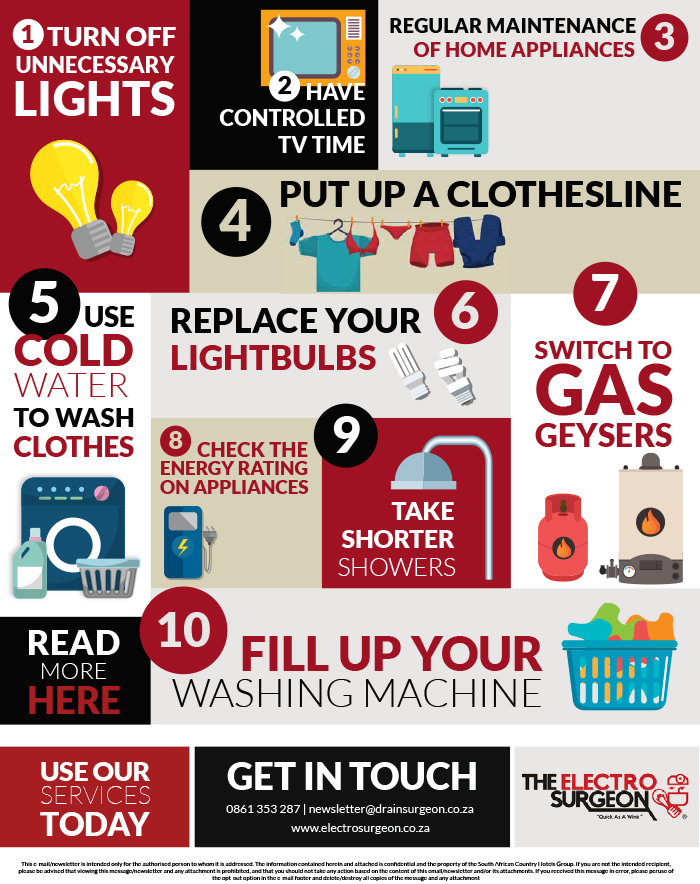
Reducing Your Electricity Bills: 10 Practical Tips
As we navigate the challenges of everyday life, it’s essential to adopt strategies that help us save money and reduce our carbon footprint. One area where this is particularly important is in reducing electricity bills. In times of crisis, making cuts where possible can be a lifeline for many households.
To start saving on your electricity bill, it’s crucial to understand how you’re using energy in your home. The truth is that most household appliances require electricity to function, so reducing usage isn’t always an option. However, finding ways to use them more efficiently is a great place to begin.
The Benefits of Reducing Electricity Consumption
By reducing electricity consumption, not only can you save money on your bills but also contribute positively to the environment and your overall household economy. So, what can you do?
1. Assess Your Energy Usage
Take an honest look at where energy is being wasted in your home. You might be surprised at the number of small, often overlooked areas where energy is being lost.
To assess your energy usage, consider using a smart plug or energy monitor to track the amount of energy your devices are consuming. This can help you identify which appliances and devices are consuming the most energy and make adjustments accordingly.
2. Adjust Display Brightness and Cellular Phone Settings
Lowering display brightness on your phone or laptop can significantly reduce power consumption. It’s also essential to set up a schedule for when your devices are charging, as letting them run continuously without needing can cause unnecessary power usage.
For example, if you’re going to be away from home for an extended period, consider setting your thermostat to a higher temperature and adjusting the brightness on your screens to reduce energy consumption. Additionally, consider using phone apps that help you track your screen time and adjust your settings accordingly.
3. Turn Off Standby Appliances
Many modern appliances come with an “on” switch but continue to draw energy even when not in use. Ensure that these appliances are turned off when not in use.
This includes things like:
- TVs and computers
- Stereos and audio equipment
- Microwaves and coffee makers
- Ovens and dishwashers
4. Consider Using Smart Power Strips
Using smart power strips can make it easier to cut down on standby power consumption. These devices turn off all the electronics plugged into them if they go unused for a set period, which can help reduce energy waste.
When selecting a smart power strip, look for features like:
- Automatic shutdown after a certain period of inactivity
- Remote control capabilities via smartphone app
- Energy monitoring and reporting
5. Optimize Your Elettrodomestico and Appliance Usage
Some appliances consume significantly more electricity than others. For example, washing machines use much less power when run during cooler hours or on lower settings.
To optimize your appliance usage:
- Run full loads in the washing machine and dishwasher to reduce energy consumption
- Use low-heat settings for cooking and cleaning
- Choose the most energy-efficient options for your appliances
6. Consider Installing a Programmable Thermostat
Installing a programmable thermostat can allow you to save money by lowering the temperature when not home or sleeping and increasing it when you’re back.
This can help reduce heating and cooling costs, especially during peak usage periods.
7. Upgrade to Energy-Efficient Appliances
Buying energy-efficient appliances is another effective way to reduce your electricity bill. Look for products with an Energy Star rating, which indicates that they meet rigorous standards for efficiency.
Some key features of Energy Star-rated appliances include:
- High levels of insulation and weatherstripping
- Efficient heating and cooling systems
- Reduced energy consumption through advanced technologies
8. Use Power-Strip Switches
In addition to smart power strips, consider using traditional power-strip switches to turn off electronics when not in use.
These simple devices can help reduce standby power consumption by turning off appliances like:
- TVs and computers
- Stereos and audio equipment
- Microwaves and coffee makers
9. Insulate Your Home
Keeping your home insulated can reduce the amount of energy you need to heat or cool it, depending on where you live. Proper insulation makes a big difference in reducing heating and cooling costs.
Consider:
- Adding insulation to walls and ceilings
- Installing energy-efficient windows
- Using thermal curtains and blinds
10. Use LED Lighting
LED lighting is another effective way to save money on your electricity bill. These bulbs use significantly less energy than traditional incandescent bulbs while producing the same amount of light.
Some benefits of using LED lighting include:
- Long lifespan (up to 25 times longer than incandescent bulbs)
- High efficiency and low heat production
- Reduced maintenance needs
By following these simple tips, you can begin to see significant reductions in your electricity bills without sacrificing comfort or convenience.
Frequently Asked Questions (FAQs)
- How Can I Reduce Standby Power Consumption?
Turning off standby appliances and using smart power strips are two effective ways to reduce standby power consumption.
Additionally, consider using traditional power-strip switches to turn off electronics when not in use.
- What Appliances Should I Replace First?
When considering replacing your existing appliances, start with those that consume the most electricity, like refrigerators or air conditioners.
It’s also essential to look for Energy Star-rated appliances to ensure they meet rigorous efficiency standards.
- Can Smart Thermostats Help Me Save Money?
Yes, smart thermostats can help you save money by automatically adjusting your home’s temperature to suit your lifestyle and preferences.
Some key benefits of using a smart thermostat include:
- Remote control capabilities via smartphone app
- Energy monitoring and reporting
-
Automated temperature adjustments based on your schedule
-
Are LED Lighting Bulbs Really Worth It?
LED lighting bulbs are a great way to save money in the long run because they use less energy than traditional incandescent bulbs while lasting longer.
Some benefits of using LED lighting include:
- Long lifespan (up to 25 times longer than incandescent bulbs)
- High efficiency and low heat production
-
Reduced maintenance needs
-
Can I Save Money on My Electricity Bill by Using Smart Power Strips?
Yes, using smart power strips can significantly reduce your electricity bill by turning off electronics when not in use.
Some key benefits of using smart power strips include:
- Automatic shutdown after a certain period of inactivity
- Remote control capabilities via smartphone app
-
Energy monitoring and reporting
-
How Do Energy-Efficient Appliances Work?
Energy-efficient appliances are designed to consume less energy while still providing the same level of performance as traditional appliances.
Some key features of energy-efficient appliances include:
- High levels of insulation and weatherstripping
- Efficient heating and cooling systems
-
Reduced energy consumption through advanced technologies
-
Can I Really See a Difference in My Electricity Bill by Using These Tips?
Yes, using these tips can lead to significant savings on your electricity bill over time.
However, it’s essential to remember that every household is unique, and results may vary.
- Are There Any Additional Benefits to Reducing My Electricity Consumption?
Yes, reducing your electricity consumption also has positive impacts on the environment and the overall economy by decreasing greenhouse gas emissions and lowering energy costs for households.
Some additional benefits of reducing electricity consumption include:
- Reduced carbon footprint
- Lower energy costs
-
Increased energy independence
-
What Are Some Other Tips I Can Use to Save Money on My Electricity Bill?
In addition to these tips, consider implementing a home energy audit to identify areas where you’re losing energy.
Additionally, explore renewable energy sources like solar panels or wind turbines to generate clean energy for your home.
- Is It Worth the Investment in Smart Home Devices and Energy-Efficient Appliances?
Yes, investing in smart home devices and energy-efficient appliances can lead to long-term cost savings, increased convenience, and a more sustainable lifestyle.
Some key benefits of investing in smart home devices and energy-efficient appliances include:
- Reduced energy consumption
- Increased energy independence
- Improved safety and security features
By following these simple tips and considering additional strategies for reducing your electricity consumption, you can begin to see significant reductions in your electricity bills while also contributing positively to the environment.


