
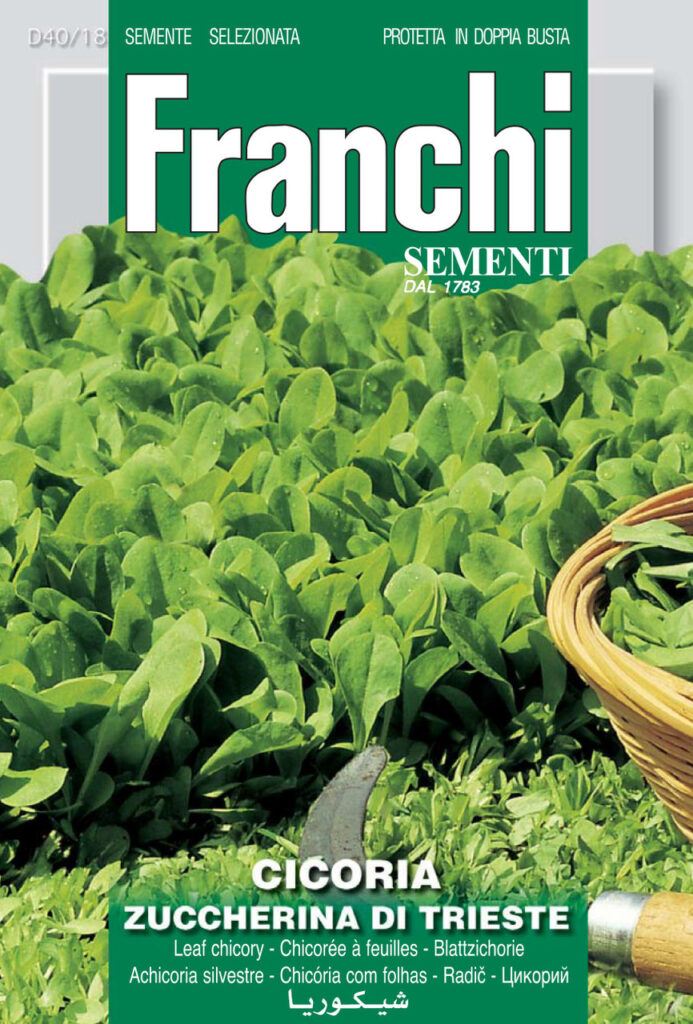
As we delve into the world of leafy greens, one variety stands out for its unique characteristics and benefits: chicory, also known as zuccherina di Trieste. This sweet and nutritious root vegetable has gained popularity worldwide for its versatility in cooking and its impressive health properties.
What is Chicory?
Chicory (Cichorium intybus L.) is a perennial plant that belongs to the dandelion family. Its leaves are heart-shaped, with a bright green color and a delicate flavor, often described as a cross between endive and radicchio. The zuccherina di Trieste variety is particularly prized for its sweet and slightly bitter taste.
Chicory has been used as a food source for centuries, dating back to ancient Egypt, Greece, and Rome. Its leaves were used in salads, while its roots were roasted or boiled as a vegetable. In the 19th century, chicory became popular in Europe as a coffee substitute due to its similar flavor profile.
History of Chicory
Chicory has a long history, dating back to ancient civilizations. The plant was first mentioned in the writings of the Greek physician Hippocrates (460 BCE – 370 BCE). In the Middle Ages, chicory was used as a medicinal herb to treat various ailments, including indigestion and diarrhea.
In the 17th century, chicory became popular in Europe as a coffee substitute. The French cultivated chicory on a large scale, using it to make a coffee-like beverage called “café noir”. This led to the development of modern coffee production methods, including roasting and grinding.
Cultivation of Chicory
Chicory can be planted at any time of the year, but ideal conditions are achieved when temperatures range from 10°C to 26°C (50°F to 79°F). This makes it an excellent choice for gardeners who want to grow their own vegetables in a variety of seasons.
Cultivating Chicory
Chicory is relatively easy to cultivate, as long as the soil isn’t too wet or dry. It prefers well-draining soil and full sun to partial shade. The plant requires minimal maintenance, but it does need regular watering and fertilization to ensure optimal growth.
Chicory grows rapidly, reaching heights of up to 2 meters (6.6 feet) within a few months. Its leaves can be harvested as soon as they’re young and tender, usually every 7-10 days.
Sowing Chicory Seeds
To sow chicory seeds, simply place them on the surface of the soil and cover with a thin layer of earth (about 2-5 mm). A good rule of thumb is to use 6-8 grams of seeds per square meter. Make sure the soil is moist but not waterlogged.
Planting Chicory
If you prefer to start chicory from seedlings, plant them 8-12 cm apart in rows spaced 30-40 cm apart. This will allow for good air circulation and sunlight penetration.
Chicory can be grown in a variety of environments, including containers, making it an excellent choice for indoor gardening or balcony spaces.
Growing Chicory in Pots
To grow chicory in pots, use a container with at least 10-12 cm (4-5 inches) of diameter and fill it with a mix of terriccio and compost (60:40 ratio). Add a layer of perlite to improve drainage.
Chicory grown in pots requires regular watering, but be careful not to overwater. Aim for moderate watering and make sure the soil is moist but not waterlogged.
Sourcing Chicory Seeds
You can find chicory seeds at local nurseries or online retailers. Make sure to choose high-quality seeds that are specifically labeled as “zuccherina di Trieste” to ensure you’re getting the best variety.
Properties of Zuccherina di Trieste
Chicory, particularly zuccherina di Trieste, offers a range of health benefits due to its rich nutrient content. It’s low in calories (10 kcal/100g) and high in fiber, making it an excellent addition to a balanced diet.
Chicory also has anti-inflammatory properties and can help maintain digestive health. The plant contains compounds such as caffeic acid, quercetin, and rutin, which have been shown to have various health benefits.
Fiber Content
Chicory is rich in dietary fiber, containing both soluble and insoluble fibers. Soluble fiber helps lower cholesterol levels by binding to bile acids and removing them from the body. Insoluble fiber helps promote regular bowel movements and prevent constipation.
Antioxidant Properties
Chicory contains a range of antioxidants, including flavonoids, phenolic acids, and carotenoids. These compounds help protect against oxidative stress and inflammation in the body.
Health Benefits
The health benefits of chicory are numerous and well-documented:
- Digestive Health: Chicory helps maintain digestive health by promoting regular bowel movements and preventing constipation.
- Antioxidant Properties: The antioxidants present in chicory help protect against oxidative stress and inflammation in the body.
- Anti-Inflammatory Effects: Chicory’s anti-inflammatory properties can help reduce pain and swelling caused by inflammation.
- Cancer Prevention: Some studies suggest that chicory may have anti-cancer properties, although more research is needed to confirm this.
Frequently Asked Questions
- Q: How often should I harvest chicory?
A: Harvest chicory leaves when they’re young and tender, usually every 7-10 days. - Q: Can I grow chicory in my garden all year round?
A: While chicory can be grown throughout the year, it’s essential to check local weather conditions and adjust your planting schedule accordingly. - Q: How do I propagate chicory?
A: You can propagate chicory by dividing established plants or sowing seeds directly into the ground. - Q: Can I grow chicory in containers?
A: Yes, chicory can be grown in pots, making it an excellent choice for indoor gardening or balcony spaces.
By following these guidelines and tips, you’ll be well on your way to growing your own delicious and nutritious chicory. Get ready to experience the sweetness and health benefits of zuccherina di Trieste for yourself!


