
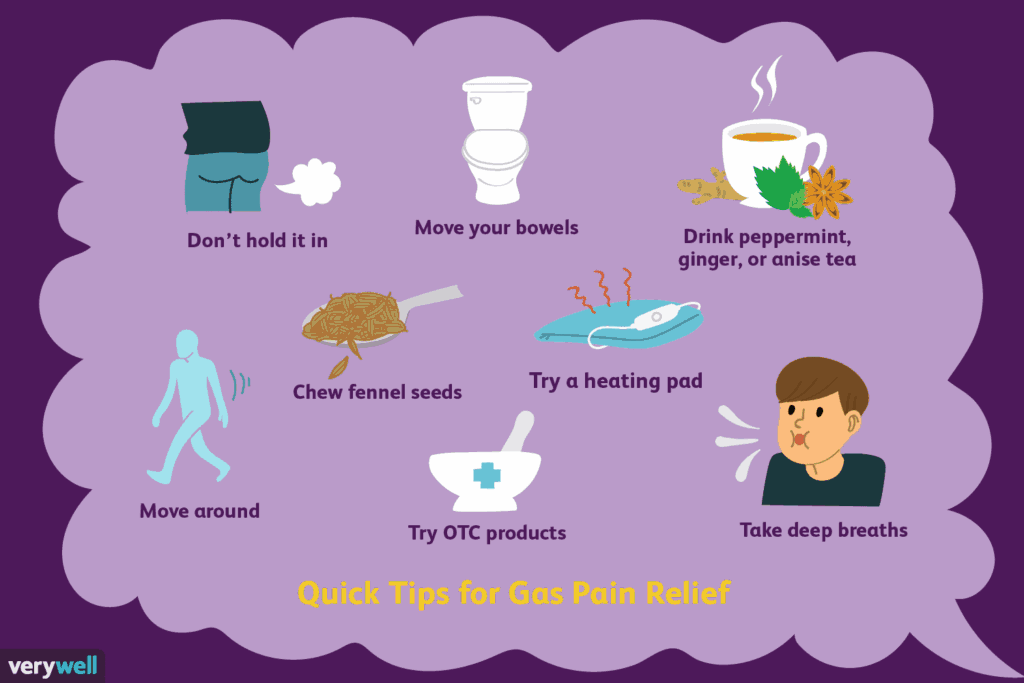
As a common affliction affecting approximately 15% of the world’s population, intestinal gas can lead to bloating, abdominal tension, and discomfort. But what causes this issue, and how can we alleviate its symptoms? In this article, we’ll delve into the world of intestinal gas, exploring its causes, prevention strategies, and natural remedies.
What is Intestinal Gas?
Intestinal gas refers to the presence of gases in the intestines, which can lead to a range of uncomfortable symptoms. This condition is often caused by an imbalance of gut flora, dietary factors, or underlying medical conditions such as constipation, dyspepsia, celiac disease, or irritable bowel syndrome.
The Role of Lifestyle in Intestinal Gas
Our lifestyle plays a significant role in contributing to intestinal gas. Eating quickly, consuming fizzy drinks and foods rich in sugars and fats can all lead to discomfort and bloating. It’s essential to adopt healthy eating habits and maintain a balanced diet to minimize the risk of intestinal gas.
Prevention Strategies
To prevent intestinal gas, consider the following:
- Eat slowly and mindfully: Taking your time while eating allows for better digestion and reduces the likelihood of swallowing air.
- Avoid fizzy drinks: Fizzy drinks can lead to bloating and discomfort due to their carbonated content. Opt for still water or unsweetened tea instead.
- Choose a balanced diet rich in fiber and whole foods: A diet high in fiber and whole foods helps maintain a healthy gut microbiome, reducing the risk of intestinal gas.
By incorporating these simple strategies into your daily routine, you can significantly reduce your risk of developing intestinal gas.
Natural Remedies for Intestinal Gas
While prevention is key, sometimes natural remedies are necessary to alleviate symptoms. Here are some effective options:
Fennel Infusion: The Ultimate Bloating Buster
Fennel is a well-known remedy for relieving intestinal gas and bloating. Its antispasmodic properties help calm abdominal pain caused by colics, while its lenitive properties favor the expulsion of air from the digestive tract.
- Take 1-2 teaspoons of dried fennel seeds or 5-7 fresh leaves in warm water or as a tea
- Consume after meals to aid digestion and reduce bloating
Chamomile: A Soothing Digestive Aid
Chamomile is a natural digestive relaxant that can help alleviate gas, diarrhea, indigestion, nausea, and vomiting. Its anti-inflammatory properties also make it an effective treatment for colics in newborns.
- Steep 1 teaspoon of dried chamomile flowers in boiling water
- Drink as a warm tea to soothe the stomach and reduce inflammation
Ceylon Cinnamon: The Spice of Life
Ceylon cinnamon, with its medicinal properties, is an excellent digestive aid. Its anti-inflammatory, antioxidant, antimicrobial, antidiabetic, and anticancer properties make it an effective treatment for gas, flatulence, and indigestion.
- Consume 1/2 teaspoon of Ceylon cinnamon powder in warm water or as a seasoning
- Add to your meals to improve digestion and prevent discomfort
Ginger: The Asian Spice with a Twist
Ginger root is known for its intense flavor and numerous health benefits. It can provide relief from gas, diarrhea, and stomach ulcers, making it an excellent addition to any digestive routine.
- Consume fresh or dried ginger in various forms (juice, infusions, or as an integrator)
- Use in cooking and enjoy the refreshing taste of this versatile spice
Probiotics: The Gut-Friendly Solution
Probiotics are beneficial bacteria that can help maintain a healthy gut microbiome. They can aid in digestion, alleviate gas and bloating, and even boost the immune system.
- Consume probiotic-rich foods like yogurt, kefir, or take a supplement containing Lactobacillus acidophilus or Bifidobacterium bifidum
- Aim for 1-2 billion CFU (colony-forming units) per serving
Exercise and Relaxation Techniques
Regular exercise and relaxation techniques can also help alleviate symptoms of intestinal gas. Exercise can stimulate digestion, improve gut motility, and reduce stress levels.
- Engage in moderate-intensity physical activity like walking or yoga to promote digestive health
- Practice stress-reducing techniques like deep breathing, meditation, or progressive muscle relaxation
Conclusion
Intestinal gas is a common issue affecting millions worldwide. By understanding its causes, adopting healthy lifestyle habits, and incorporating natural remedies into your routine, you can find relief from discomfort and bloating.
Remember, prevention is key. Eat slowly, avoid fizzy drinks, and choose a balanced diet to minimize the risk of intestinal gas.
Frequently Asked Questions
- What are the common causes of intestinal gas?
Intestinal gas can be caused by an imbalance of gut flora, dietary factors, or underlying medical conditions such as constipation, dyspepsia, celiac disease, or irritable bowel syndrome. - How can I prevent intestinal gas?
To prevent intestinal gas, eat slowly, avoid fizzy drinks and foods high in sugar and fat, and choose a balanced diet rich in fiber and whole foods. - What are some natural remedies for intestinal gas?
Fennel infusion, chamomile tea, Ceylon cinnamon powder, ginger root, probiotics, exercise, and relaxation techniques can help alleviate symptoms of intestinal gas. - Can I use fennel seeds or fresh leaves for relief?
Yes, both dried fennel seeds and fresh leaves can be used to relieve bloating and abdominal pain caused by colics. - How long does it take to see results from natural remedies?
Results may vary depending on the individual, but incorporating these natural remedies into your routine can lead to noticeable relief within a few days or weeks of consistent use. - Are there any potential side effects of using fennel seeds and ginger root?
While generally considered safe, some individuals may experience allergic reactions or interact with certain medications when consuming fennel seeds and ginger root in large quantities. - Can Ceylon cinnamon be used for medicinal purposes beyond digestive issues?
Yes, its anti-inflammatory, antioxidant, antimicrobial, antidiabetic, and anticancer properties make it an effective treatment for various health conditions beyond digestive issues. - Is ginger safe to consume during pregnancy or breastfeeding?
Ginger is generally considered safe in moderation during pregnancy and breastfeeding, but consult with a healthcare professional before using it as a medicinal remedy.
By understanding the causes of intestinal gas, incorporating prevention strategies into your daily routine, and exploring natural remedies, you can find relief from discomfort and bloating.


